
The working-class district of Whitechapel lies in London’s East End. The stark, post-industrial character of this part of the city is rooted in both geography and history. London was once enclosed by a defensive wall first raised by the Romans, pierced by seven gates positioned at strategic points. For centuries, the land immediately east of Aldgate was cut off from the rest of the capital by open marshland known as Moorfields. The ground was treacherous and waterlogged, unfit for building, and remained untouched until 1812. This physical void carved a lasting divide across the map, shaping two sharply contrasting worlds within one metropolis: a poor, labouring east and an aristocratic, affluent west.
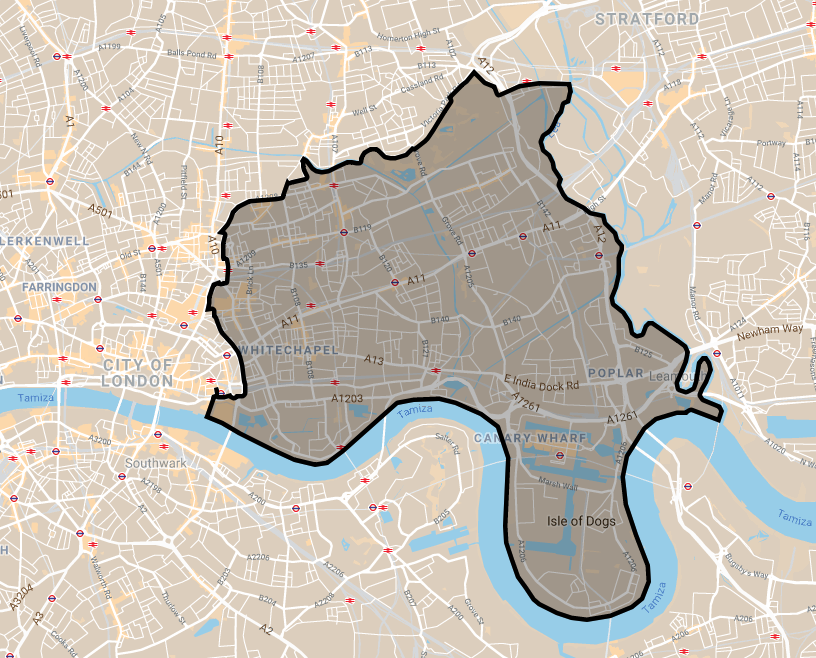
The East End is marked by a turbulent history, driven above all by relentless waves of immigration. The steady arrival of newcomers began as early as the sixteenth century, when destitute farmers from northern England came seeking work. In the centuries that followed came French Huguenots, then Germans and Irish settlers, with Ashkenazi Jews arriving in the nineteenth century from Poland and Russia, and finally Bengalis in the 1950s.
Each new wave pressed further into the narrow streets. The population swelled beyond capacity, and overcrowding hardened into sprawling slums whose bleakest years unfolded in the Victorian era. Grinding poverty and stark ethnic division created a volatile atmosphere and fertile ground for fierce political agitation – an enduring force shaping the unique story of the quarter.
Smoke, Stench and Industry
One of the key reasons the vast industrial district developed in the east of the city was the direction of London’s prevailing winds. Air currents follow the course of the River Thames, blowing from west to east towards the sea. As a result, the smoke and chemical fumes rising from factories beyond Aldgate drifted away from the wealthier quarters of the capital. What choked the east spared the west.
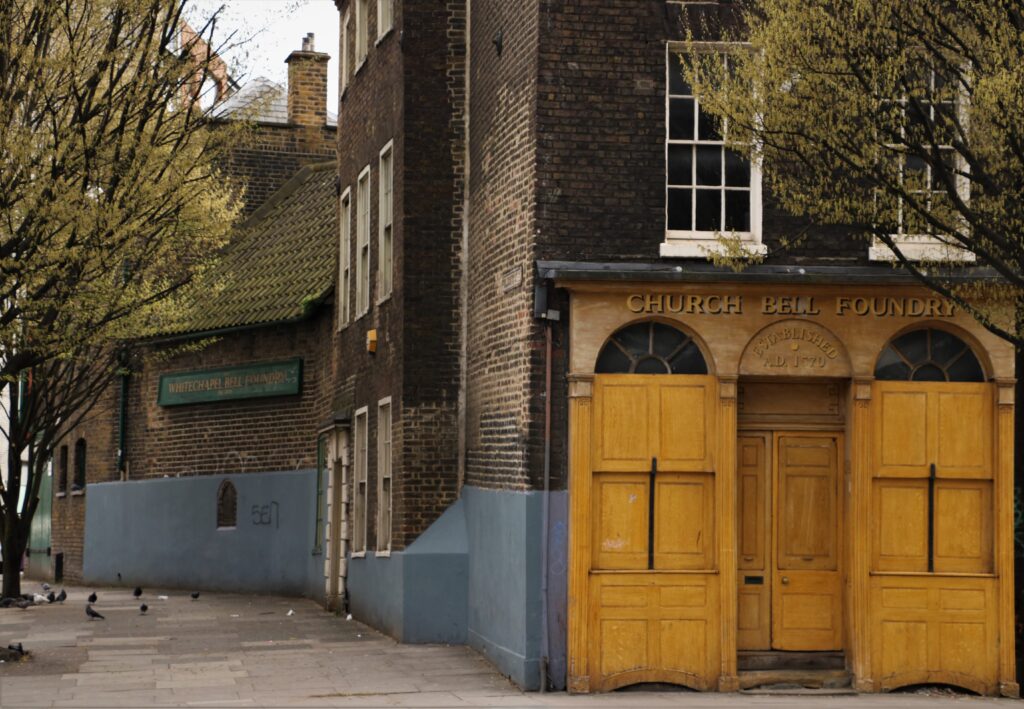
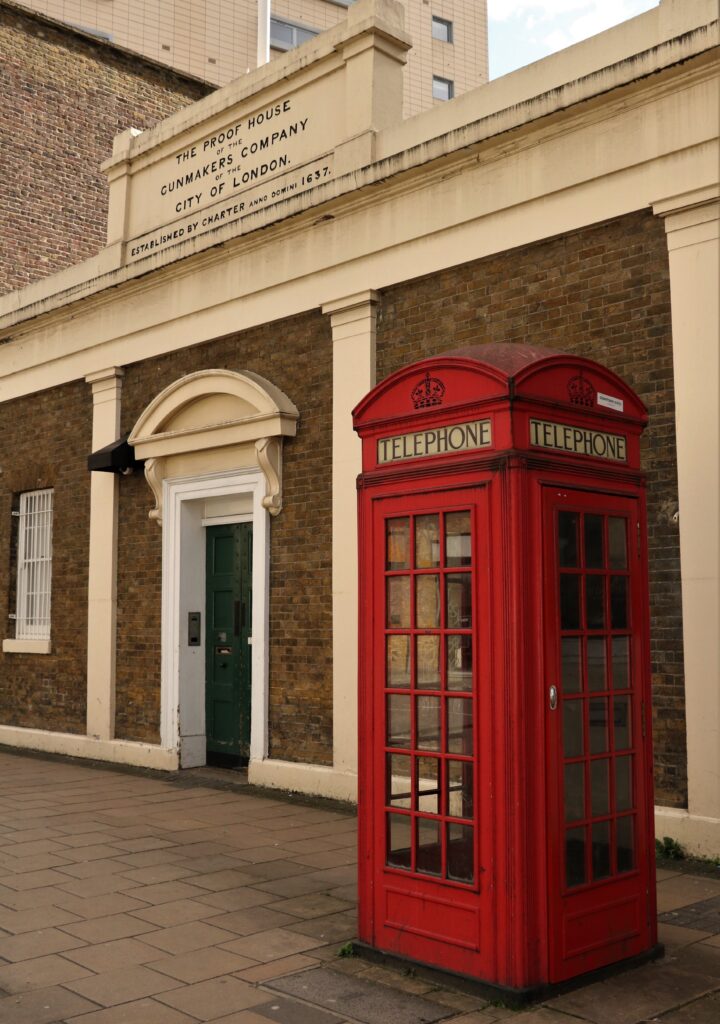
The neighbourhood gradually thickened with foul-smelling industry. From the sixteenth century onwards, breweries, slaughterhouses, metalworks, tanneries that reeked of urine, fulling mills stripping grease from cloth, and soap works rendering bones in boiling vats all took hold here. The air grew heavy with smoke, rot and chemicals; the ground absorbed what the city refused to face. The Whitechapel Bell Foundry, which later cast the great bell known as Big Ben, opened in 1570 and was among the earliest of these enterprises. Because of the constant danger of fire, gunpowder mills and firearms workshops were also pushed into the district.
There was also another reason for industry’s steady drift eastwards: the city walls limited space. After the Great Fire of 1666, London’s workshops proved too small to satisfy the demands of a capital rebuilding itself from ash. Beyond the walls, land was cheaper, rules were weaker, and oversight was thin. The walls marked not only the edge of the city, but the edge of regulation. Factories built outside them operated with fewer constraints, fewer inspections, and fewer protections for those who laboured within.
Threads of Silk, Threads of Hostility
The settlement of Whitechapel appears in historical records as early as the Elizabethan period (1558-1603). The first residents were largely impoverished farmers from the north of England who, no longer able to survive from their land, migrated south and found work in the growing industries of the area. At the beginning of the seventeenth century, the first significant wave of foreign immigration arrived. French Huguenots (Protestants), fleeing persecution in their homeland, were welcomed by the government because of their highly valued skills. Alongside advanced silk-weaving techniques, they brought expertise in banking, trade, and military organisation. Soon enough, the Huguenot industry reduced England’s dependence on imported luxury goods and allowed such goods to be exported at considerable profit.
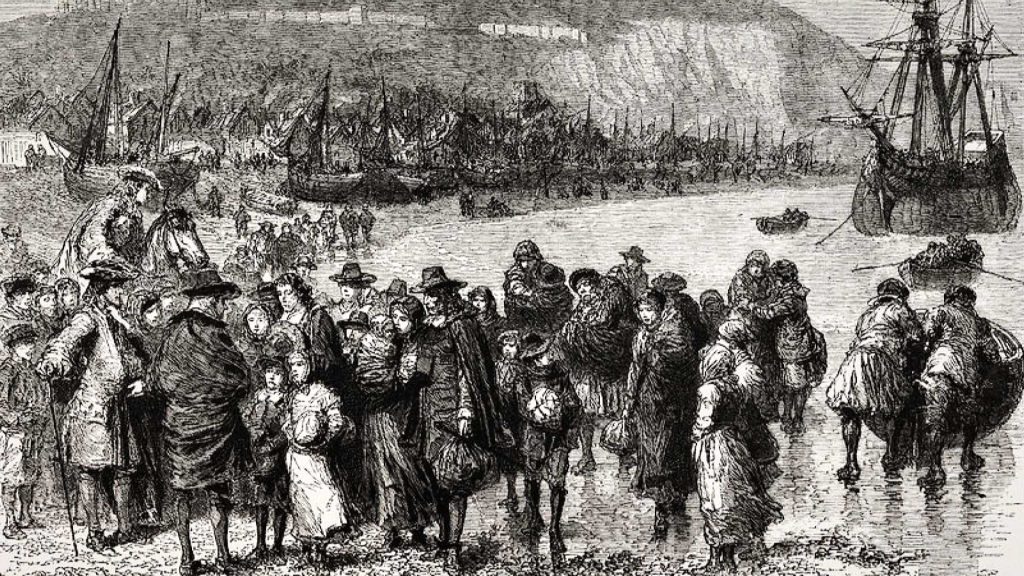
Despite their contributions to their adopted country, the Huguenots continued to live on the margins of English society well into the eighteenth century. Trades within the city walls were organised into guilds that controlled prices and protected the interests of their members. As immigrants, the Huguenots were barred from joining these guilds and from working within the City of London itself. As a result, they settled just beyond Aldgate, alongside the existing community of northern farmers.
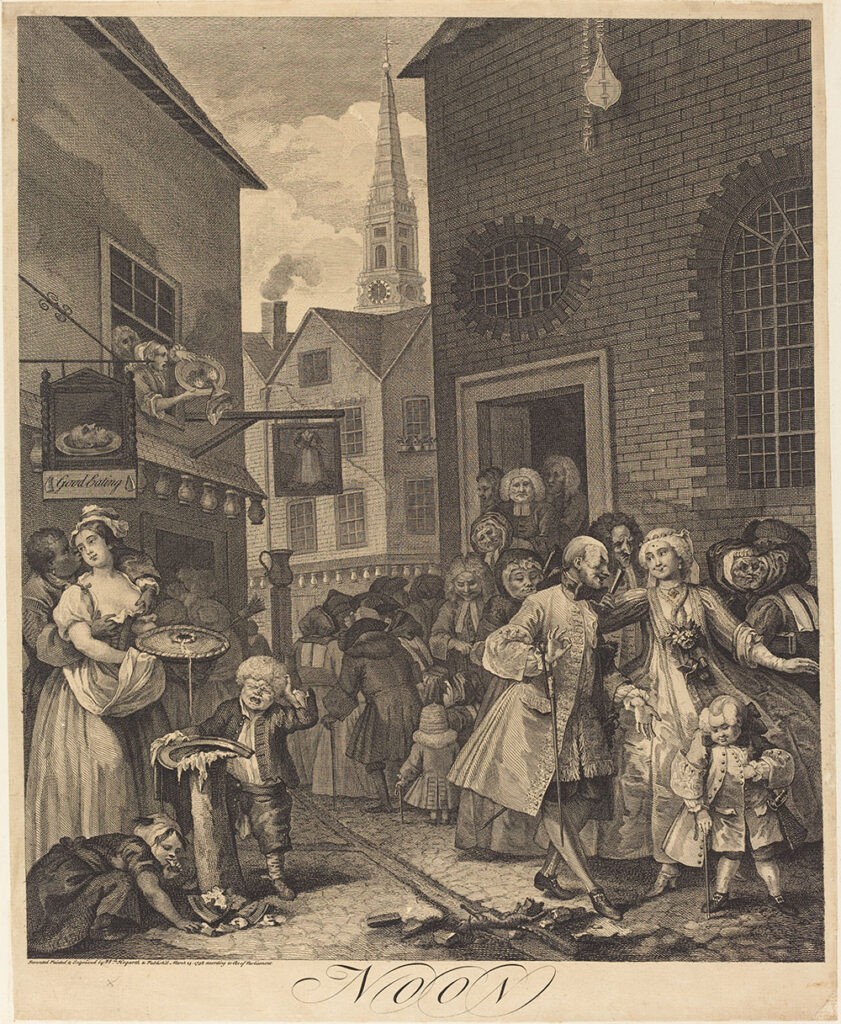
Their positive impact on the economy and their official government approval did little to ease local resentment. The French settlers were not welcomed by their neighbours. On the contrary, they were accused of taking work from English labourers, lowering wages, and driving up rents. Their customs and language were viewed with suspicion and seen as a threat to public order and morality. In truth, the hostility was rooted less in morality than in fear. English tradesmen and craftsmen worried that the highly skilled Huguenot artisans would outcompete them and take their livelihoods.
Hunger and Exile
Yet anxiety did not end with the Huguenots. As the sugar industry expanded, fuelled by cane from Britain’s colonies, another wave of migrants arrived. Germans, who possessed specialist knowledge of sugar refining, settled in large numbers, and refineries in eastern London soon employed almost exclusively workers of German origin.
From the eighteenth century onwards, another national minority began to take shape in the district, this time from Ireland. The first Irish arrivals came in search of steady work on the construction of London’s docks, and later in dock labour itself. A second wave followed the Great Famine of 1845-49, which forced thousands to flee starvation in their homeland straight into the overcrowded jaws of the East End.
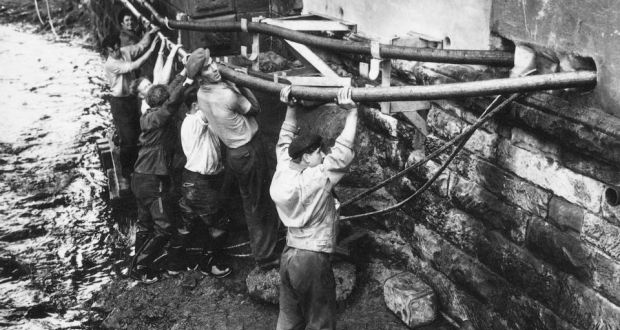
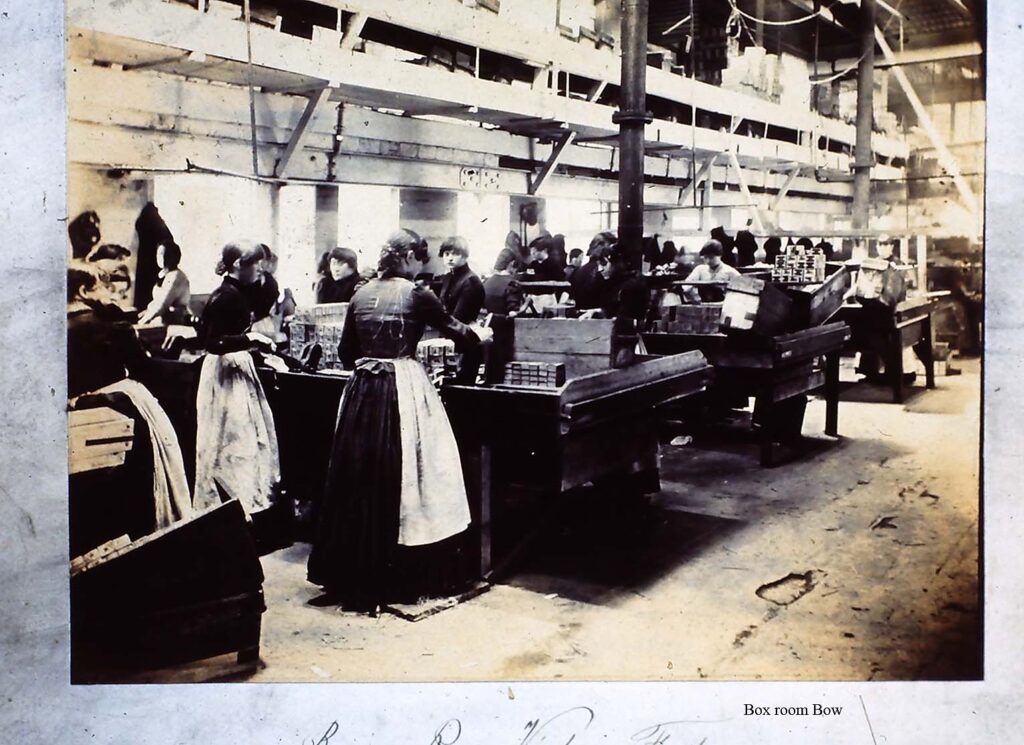
Irish men worked mainly in the docks, while women found employment in local factories, most often at the Bryant & May matchworks. Victorian England showed little sympathy towards poor migrants. With no formal immigration controls, no welfare support, and no organised settlement schemes, most newcomers were driven into the worst of the Whitechapel slums, which gradually swelled into a vast, separate city of hastily erected shacks and crumbling tenements. The area became notorious for violence and moral decay, with prostitution and disease running unchecked, and was shunned by the rest of London’s population.
Fires of the Jewish East End
In the second half of the nineteenth century, the overcrowded district experienced yet another wave of refugees – this time Jews fleeing persecution in eastern Europe. In 1881, Tsar Alexander of Russia was assassinated. State newspapers, eager for a scapegoat, blamed the Jewish minority, inflaming already bitter anti-Semitic sentiment. Soon after, massacres erupted in Kyiv and Odessa. The tightening of anti-Jewish laws in Russia, followed by the great pogrom in Kishinev in 1903, forced a dramatic exodus. Within just eight years, 106,000 Jews of Russian and Polish origin had settled in England.
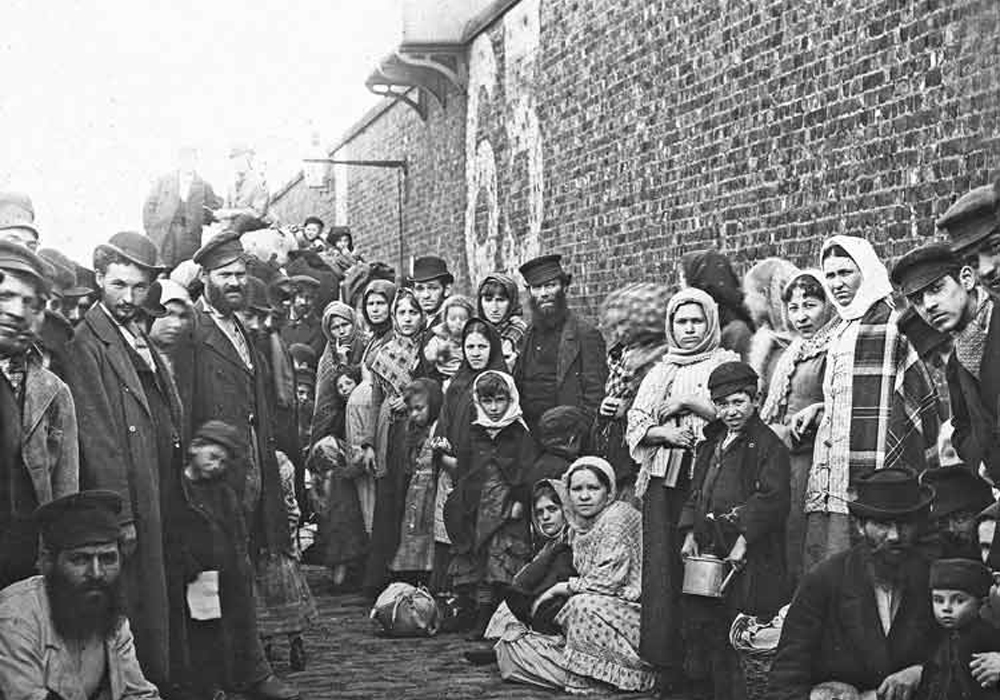
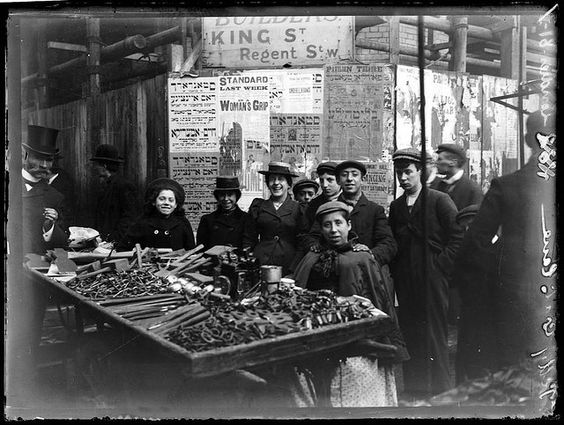
By 1914, over 90 per cent of this diaspora lived on the streets of Whitechapel, working mainly in cigar and cigarette production. The neighbourhood began to take on the appearance of an immigrant ghetto. Alongside the refugees came bold and sometimes dangerous ideas: trade unions, socialism, and Zionism. The combination of ideology, grinding poverty, and relentless exploitation in London’s factories soon bore fruit. In 1858, the first general strike of Jewish workers in London took place.
Repeated protests in defence of workers’ rights, combined with religious and cultural differences, led Jewish residents to be viewed with suspicion and frequently accused of subversive activity, particularly for promoting the controversial idea of Zionism. The situation of East End Jewry worsened sharply in the 1930s, when Oswald Mosley founded the British Union of Fascists.
Banglatown: Faith and Survival
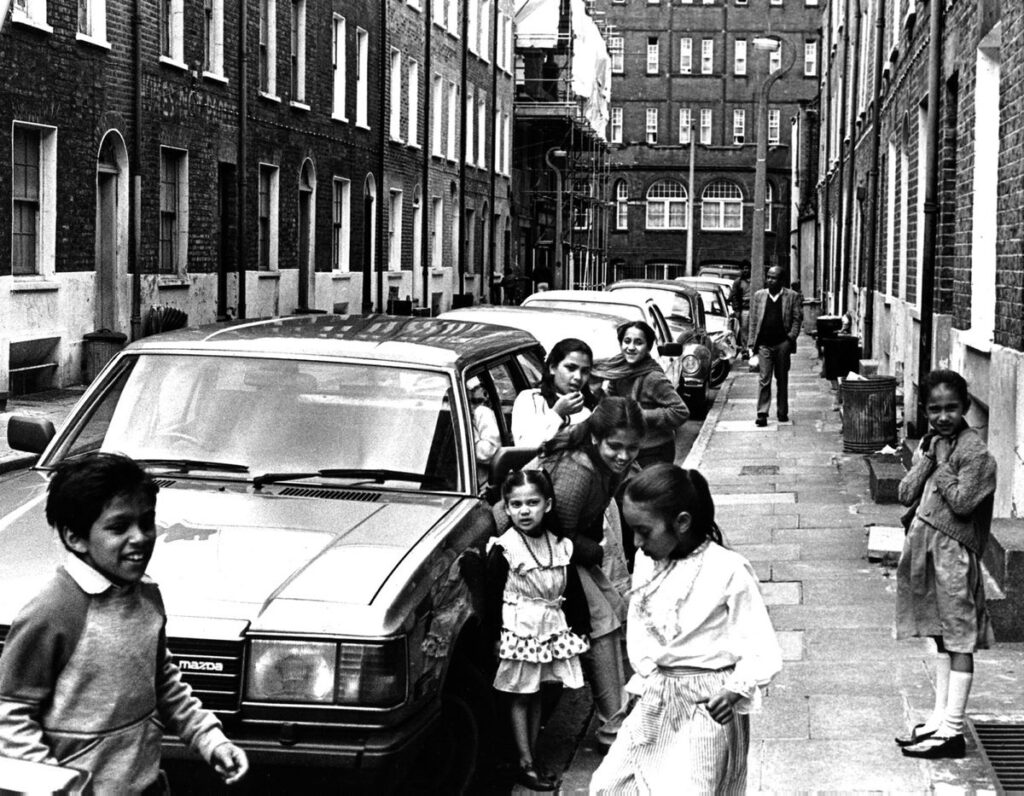
The last major wave of immigrants to arrive in Whitechapel were Muslim Bengalis. The first reached London as early as the seventeenth century aboard East India Company ships, most of them enslaved. True mass migration, however, did not begin until the 1970s, after Bangladesh gained independence from Pakistan. Thousands chose to settle in London, forming a tight-knit and active Muslim community.
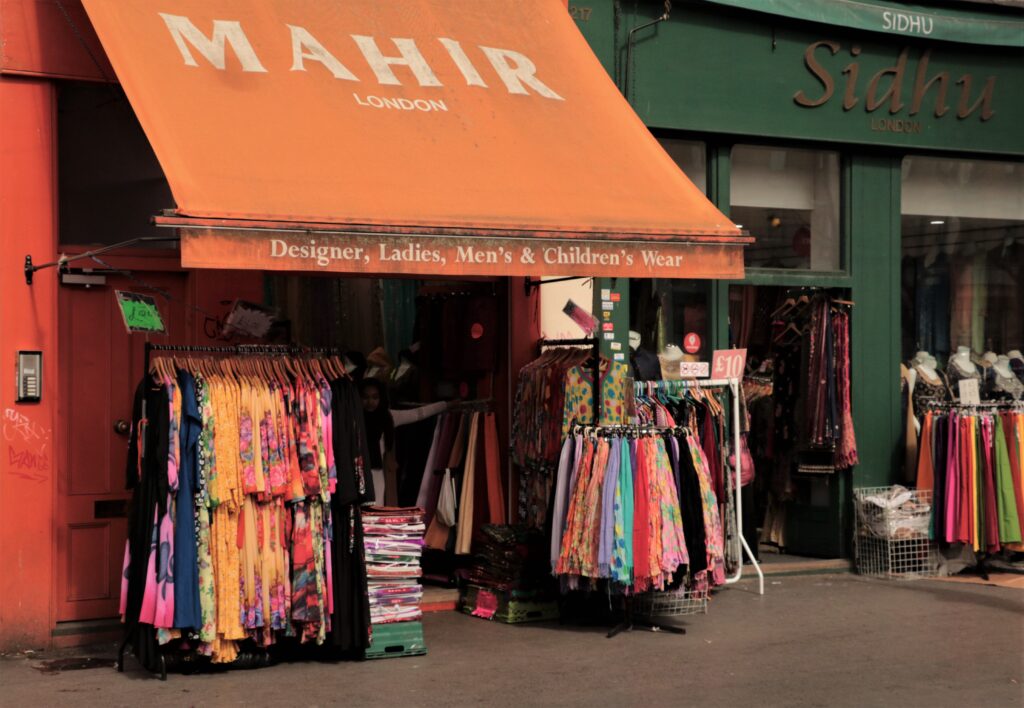
Modern ‘Banglatown’, centred around Brick Lane, gradually replaced the former Jewish diaspora of Whitechapel. Bengalis now make up over 40 per cent of the district’s population. The East London Mosque on Whitechapel Road stands as the heart of the community. Another significant landmark is Altab Ali Park, named after a Bangladeshi garment factory worker who was murdered in a racially motivated attack by three London teenagers on 4 May 1978.
Poverty Breeds Vice
With the forces of immigration having woven much of Whitechapel’s social fabric, the next factor shaping its character was poverty. Its location beyond the city walls encouraged settlement not only by the poor, but also by those seeking to escape the law. The district became a magnet for thieves, forgers, debtors, former prisoners, beggars, and prostitutes. The proliferation of factories and the construction of nearby docks on the Thames drew unskilled labourers in search of low-paid yet steady employment.
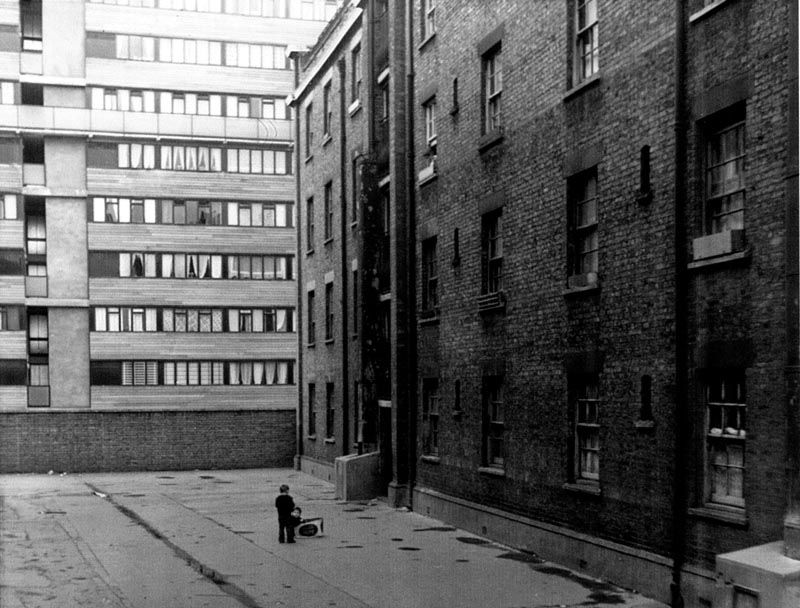
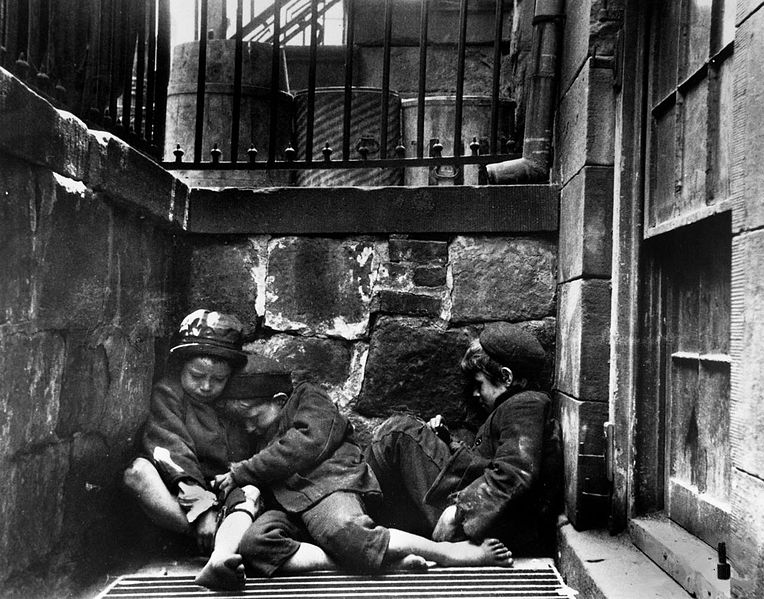
The oversupply of labour, however, led to widespread exploitation and wages driven to the bare minimum. Both the docks and industrial workplaces in eastern London became notorious for employing children. Factory halls were brutal, and work was paid by piece at starvation rates to cut production costs. Crushing poverty soon forced hundreds of women into prostitution. By October 1888, the Metropolitan Police estimated that over 1,200 prostitutes were operating in the area, spread across 62 brothels.
Neighbours and Strangers
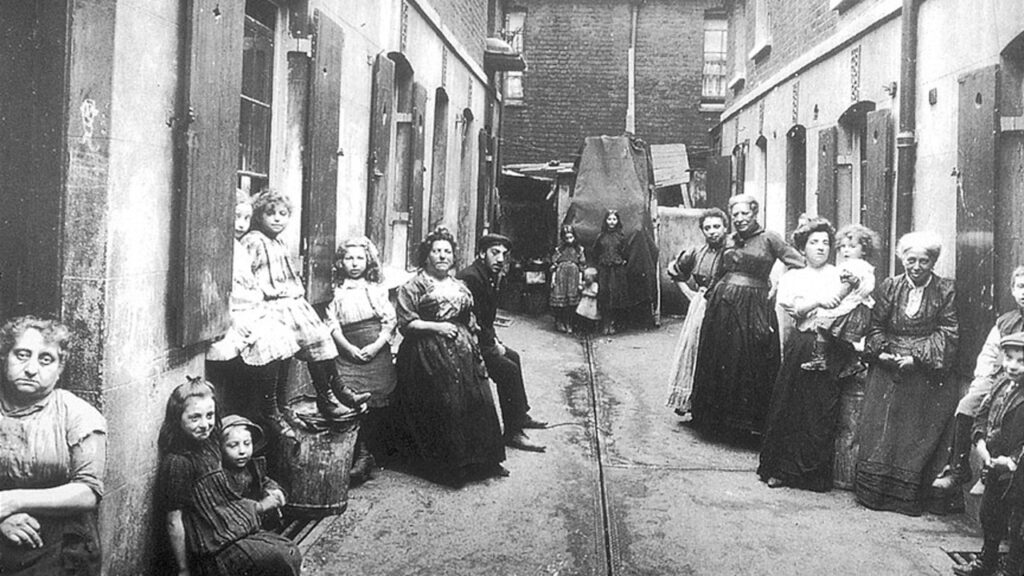
By the 1840s, overcrowding and poor sanitation in the district had reached a critical point. Whitechapel Road itself was maintained in relative order, but it branched into dozens of narrow, filthy alleys, such as Thrawl Street and Dorset Street. Around 1860, Inkhorn Court was home to an Irish colony, where several families often shared a single room, while Tewkesbury Buildings was a similarly squalid settlement inhabited by Dutch Jews.
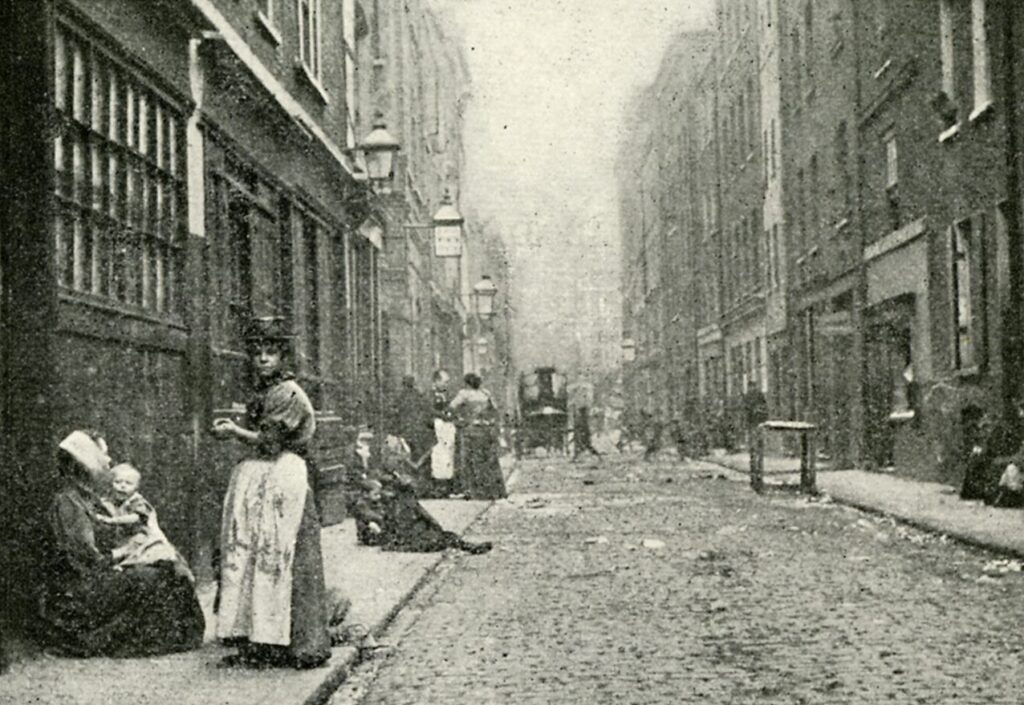
The district was so densely packed that, at one point, over a hundred English families lived along the short stretch of George Yard alone. The local population was made up largely of thieves, professional beggars, rag-and-bone dealers, dock workers, and the unemployed. The Jewish minority, meanwhile, formed a close-knit and self-supporting community, clinging firmly to their religious traditions and beliefs despite the hostility and prejudice of their neighbours.
The Streets of Death
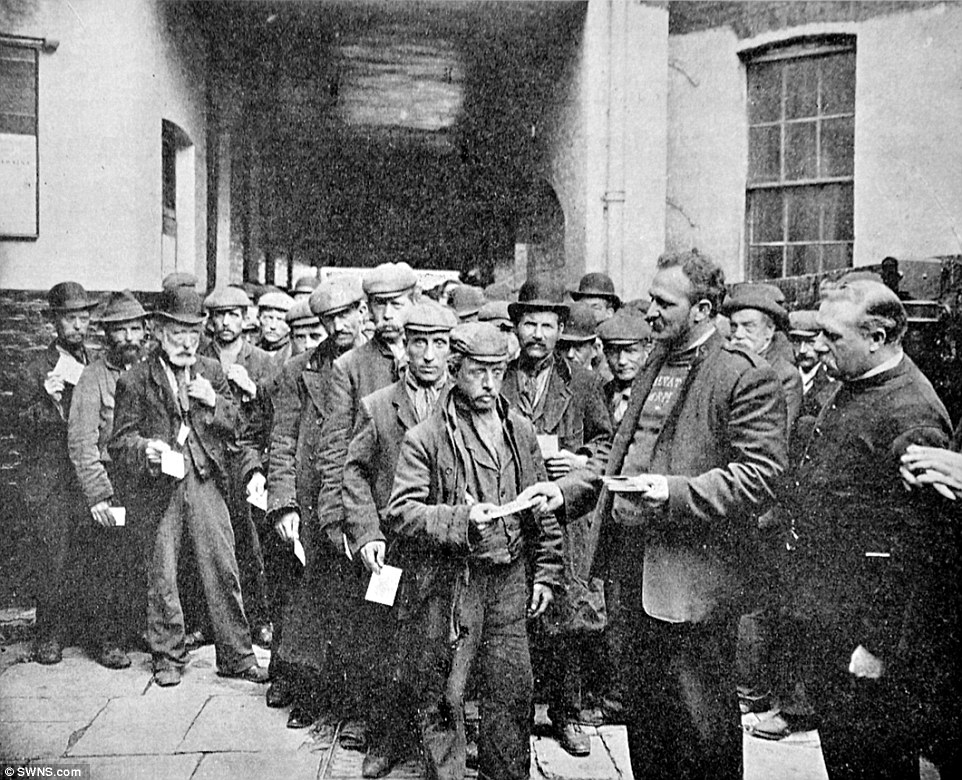
Overwhelming filth and the lack of access to running water led to repeated epidemics that swept through Whitechapel time and again. In 1866, a cholera outbreak in east London killed more than 3,000 people. Hundreds faced death by starvation after losing the only working members of their families. Thousands of children were orphaned and forced either to beg on the streets or to find work in factories. Many adolescents banded together into child thieving gangs, which offered a better chance of survival in the brutal world of the slums.
In a bitter twist, it was not until the brutal murders committed in 1888 by Jack the Ripper that Whitechapel drew serious attention from the press and stirred widespread terror among Londoners. The suffering of the district could no longer be ignored. Social reformers and charitable organisations began to pour into the long-forgotten slum, organising soup kitchens, supplying residents with medicines, and offering care to homeless children. By that time, however, such efforts were little more than a drop in an ocean of need.
Gangland Whitechapel
At the beginning of the twentieth century, Whitechapel had become a breeding ground for organised crime, with violent gangs and notorious ringleaders making headlines across London.
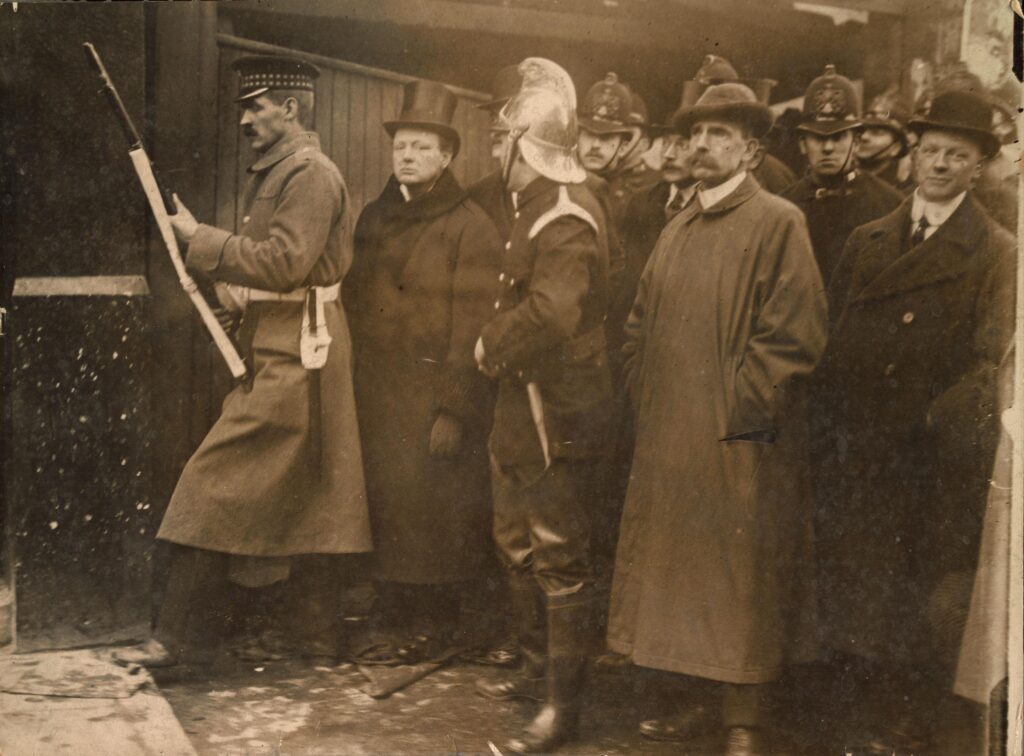
In late 1910, during a failed jewellery robbery, a group of Latvian gangsters murdered three police officers, losing their leader in the process when he was shot dead by an officer. In January 1911, a police investigation led to the capture and arrest of almost all the gang’s members. The final two suspects barricaded themselves inside a house on Sidney Street.
After nearby residents were evacuated, a six-hour police siege began, with soldiers of the British Army also taking part. The Home Secretary at the time, Winston Churchill, personally assumed command of the operation, triggering a media storm and public debate over whether he had exceeded his authority. The prolonged exchange of gunfire ultimately caused a fire, in which both criminals lost their lives. The incident went down in history as the Siege of Sidney Street.
During the 1930s, another notorious figure in Whitechapel was Jack ‘Spot’ Comer, the son of a Jewish immigrant from Lodz, who grew up in the ghetto at Fieldgate Mansions. At the age of seven, he joined his first Jewish gang, which clashed with Irish Catholics living across Myrdle Street. In the post-war years, Comer became one of the founders of the criminal network known as the 43 Group, which waged a regular street war against the far-right paramilitary organisation Union Movement.
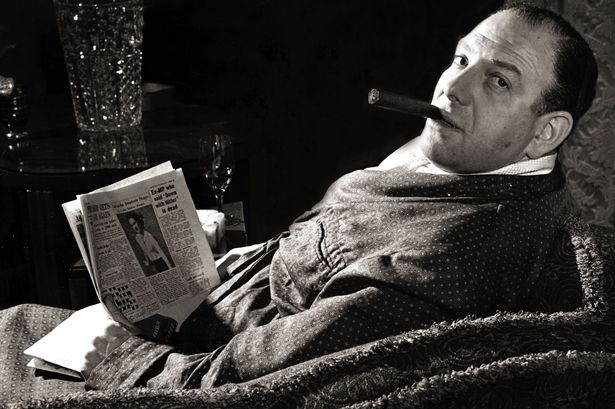
Another gang that terrorised the area were the Russian Jews known as the Bessarabian Tigers, who controlled racecourses in Camden and profited from illegal bookmaking. Their leader, Alfie Solomon, was a mysterious figure surrounded by legend and fear.
Radical Currents in Whitechapel
The third major force shaping the district’s history was ideology. The harsh living and working conditions of the East End created fertile ground for anarchism, socialism, and communism. Exploited factory workers and people living on the fringes of society quickly embraced political theories that promised a better future. These ideas sparked strikes, unrest, and bloody clashes between rival political factions, violent immigrant gangs, and the police, who struggled – and often failed – to control the chaos.
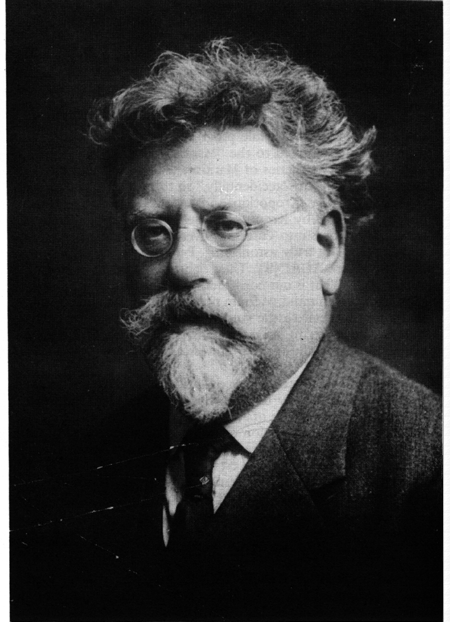
Radicalism surged into the East End alongside German and Russian dissidents fleeing arrest in their homelands. The German anarchist Rudolf Rocker arrived in London in 1895. Shocked by the squalor endured by the local Jewish population, he began political agitation among the diaspora, learned Yiddish, and became editor of a newspaper published in the language.
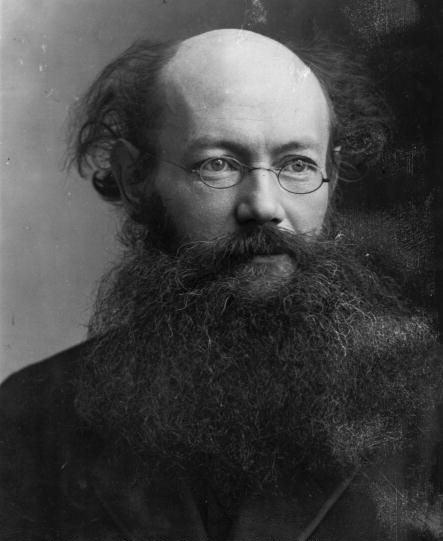
Among the Russians, the leading figure was anarchist Peter Kropotkin, sentenced in his homeland for subversive activity and escaped from a St Petersburg prison to England. East London also drew the attention of Leon Trotsky, Vladimir Lenin, and Joseph Stalin, who addressed a conference organised by the Russian Labour Party in 1907.
Riots on Cable Street
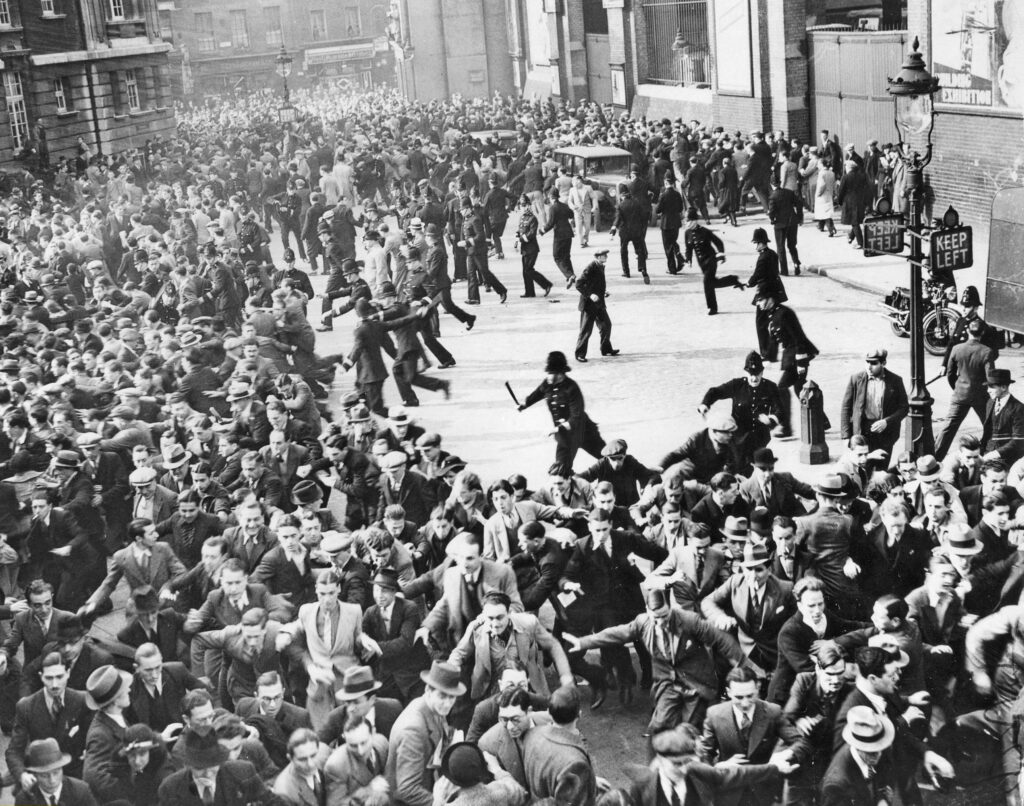
The founding of the British Union of Fascists by Oswald Mosley in 1932 completed the radicalisation of East London. The clash between a defiant Jewish community and the rising tide of Nazi ideology quickly escalated into inevitable conflict. On 4 October 1936, riots erupted on Cable Street, drawing in fascists, counter-demonstrators, and police tasked with keeping the march orderly.
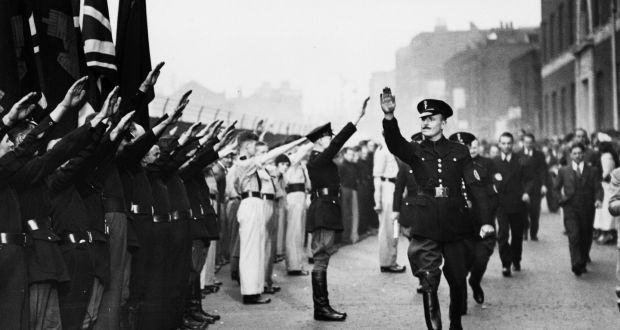
Local Jews, Irish residents, socialists, communists, and anarchists – all united against a common enemy – sought to prevent thousands of Mosley’s Blackshirts from parading their slogans through Whitechapel. More than 20,000 anti-fascists took part in the unrest, alongside roughly 3,000 fascists and 7,000 police officers. A total of 175 people were injured, with a further 150 arrested. In the end, the immigrants prevailed: the Nazi demonstration never reached Whitechapel and was diverted towards Hyde Park.
The Weight of the Past
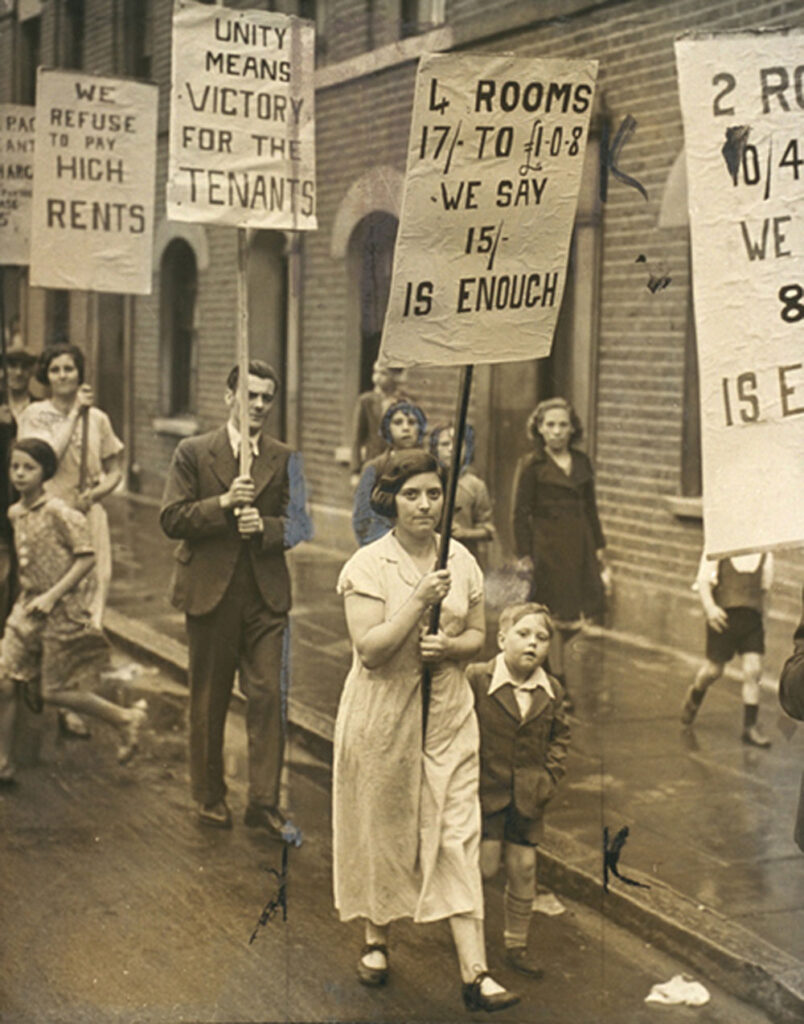
The Whitechapel district remained neglected and desperately poor until the mid-twentieth century. The area suffered heavily during Luftwaffe air raids on London in the Second World War. Since then, large-scale reconstruction has stripped the neighbourhood of some of its grim reputation. Following the demolition of Victorian slums in the 1950s and the economic hardships of the post-war capital, vast blocks of cheap social housing were erected on the sites of former tenements. The gradual closure of London’s docks, cuts to the national railways, and the bankruptcy or relocation of industrial plants ushered in a long period of recession in the East End.
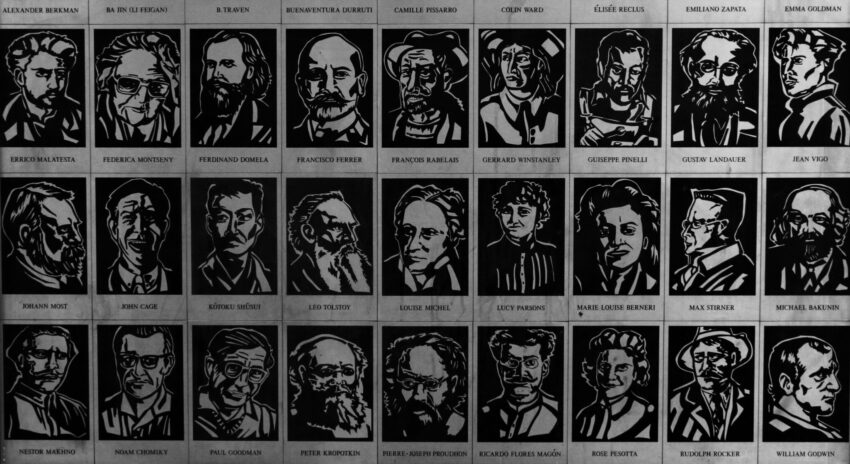
Today, Whitechapel remains a hub of political activism, particularly of an anti-authoritarian and anti-war nature. The Fabian Society, founded in 1884 and later giving rise to the modern Labour Party, still operates in the area. The anarchist publishing house Freedom Press, established in 1886 by Charlotte Wilson, continues its work near Aldgate, and the anarchist group ALARM! (All London Anarchist Revolutionary Mob) has become active locally. Contemporary East London also draws alternative communities connected to art, film, and music, alongside large numbers of students and social activists.
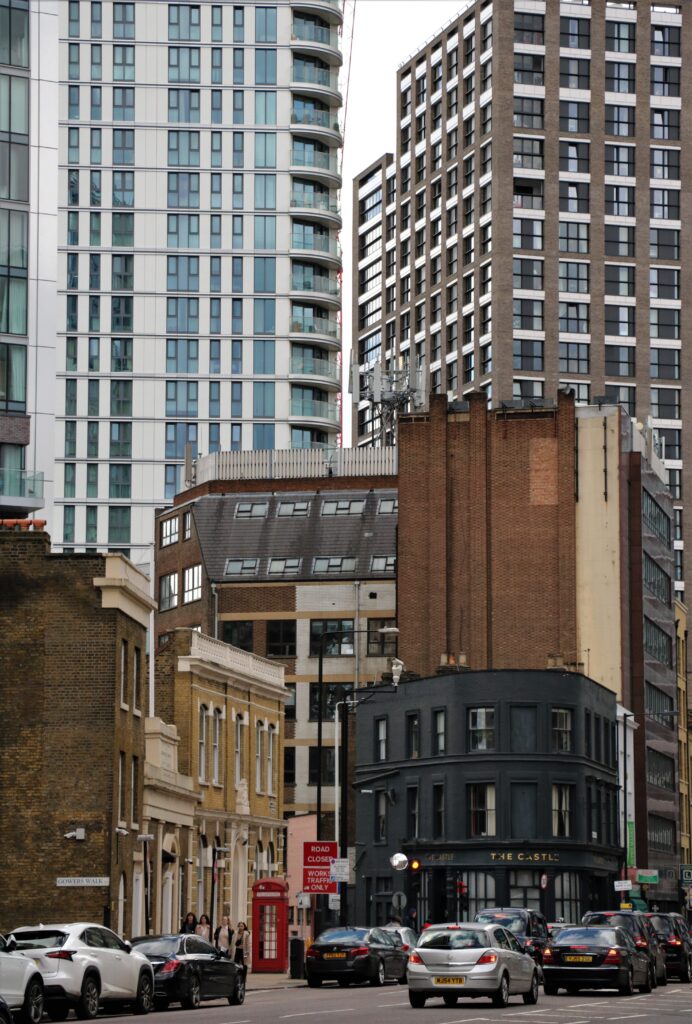
Around Brick Lane, a thriving Bengali community now mingles with hipsters sipping organic coffee and browsing vintage markets, amid the looming shadows of Victorian factories where thousands once hoped, toiled, and starved, their suffering drowned beneath the music spilling from the bars and pubs that now line the streets.
Discover more from London Macabre
Subscribe to get the latest posts sent to your email.