
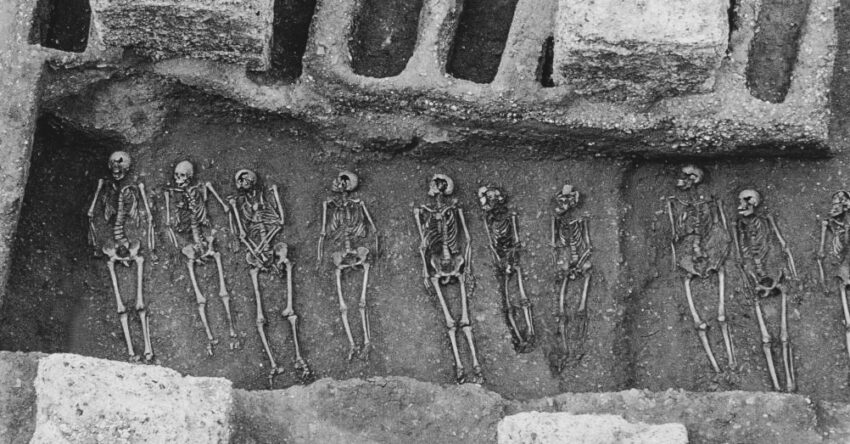
Exploring the rich history of London, one often comes across the opinion that the city centre quite literally stands upon the dead. Wherever you walk, wherever you pause, the likelihood that you occupy the very spot of some forgotten plague pit, an unmarked grave of a prostitute, or some other ghastly site of execution, is disturbingly high.
Given that the city has existed for more than two thousand years, beginning with Roman settlement, and passing through the medieval catastrophes of recurring plague and cholera outbreaks, the Great Fire of 1666, and the vast tide of paupers who began flocking to the capital from the eighteenth century onwards, the density of human remains beneath our feet becomes difficult to ignore.
Burial in an Overcrowded City
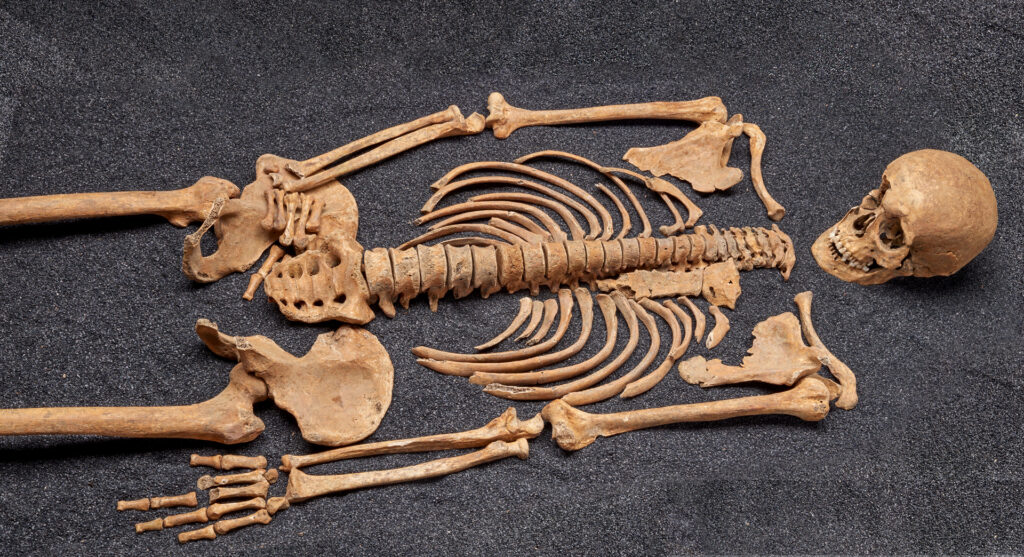
During the medieval period, it was common practice to reopen existing graves and offer them to a new cadaver, as burial grounds within the city were limited. Older bones were therefore often removed to make space for new interments. This led not only to vast quantities of human remains being stored in charnel houses, but also to bones being scattered and discreetly discarded in inconspicuous places, conveniently kept out of public sight.
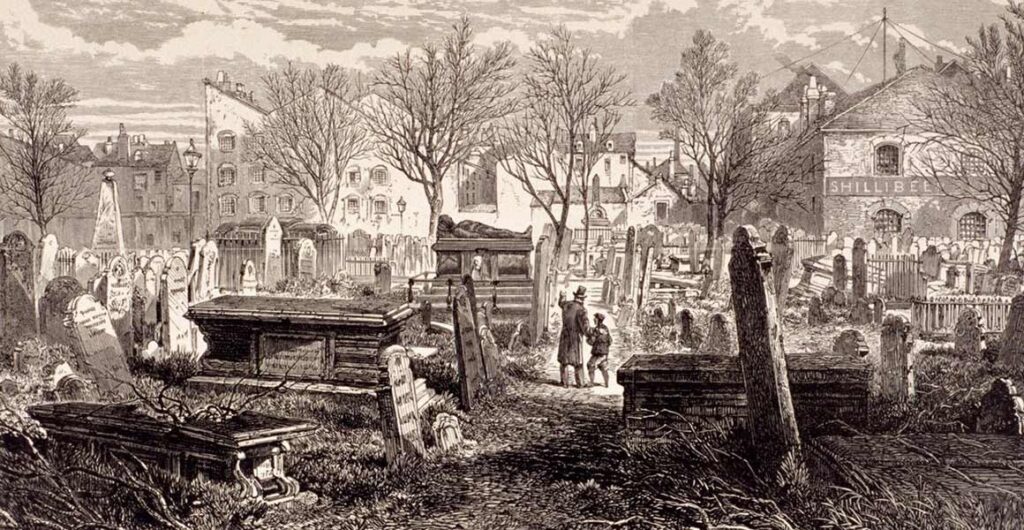
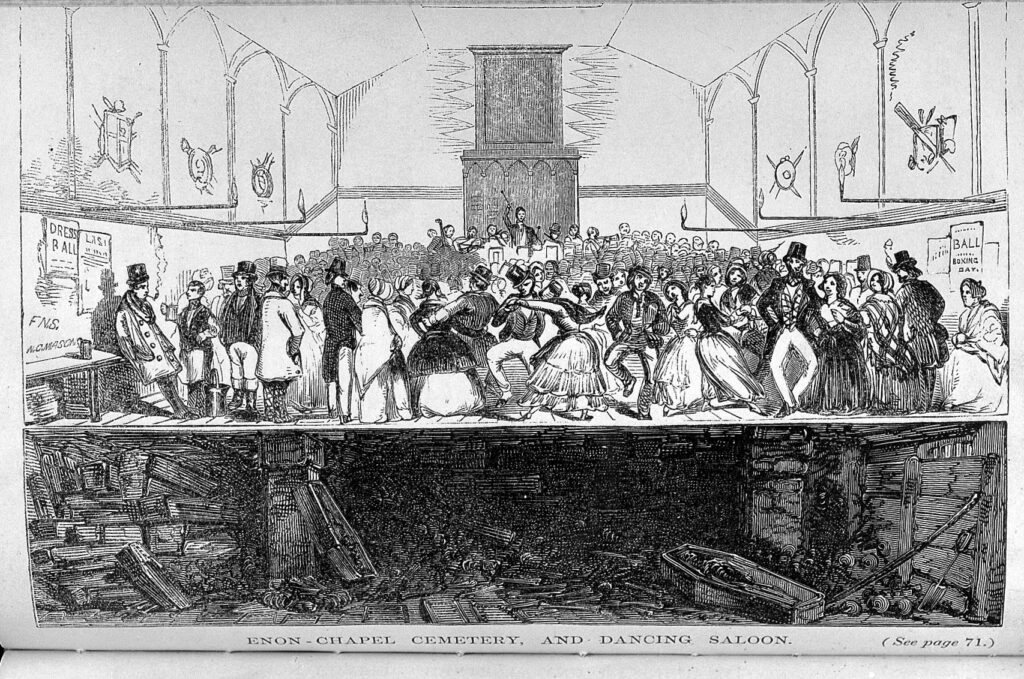
The poor of the city had little money to spare for a decent funeral. This frequently resulted in the overcrowding of small churchyards and the burial of the destitute at the parish’s expense in what was known as the pauper’s burial. Thirty or forty people might be wrapped in simple white shrouds – or confined to the cheapest of box coffins – and placed together in a single unmarked mass grave, without ceremony or remembrance. For the lowest classes of Londoners, such a fate was among their greatest fears.
The Great Mortality
All these practices and limitations undoubtedly contributed to the number of undisclosed graves upon which we may unknowingly walk today. Yet even these grim circumstances pale beside the arrival of the plague. For the plague remains the single greatest contributor to the vast number of dead lying in forgotten pits beneath London’s soil.
The first manifestation of the disease now known as the Black Death reached England in June 1348, leaving an estimated thirty-five to forty thousand people dead in the capital alone. The Great Plague of 1665–1666 – the most severe outbreak in London’s history – claimed roughly 100,000 lives, approximately fifteen percent of the city’s population. Between these two calamities came numerous smaller outbreaks which, though less widely remembered, continued to claim lives in their hundreds and sometimes in their thousands.
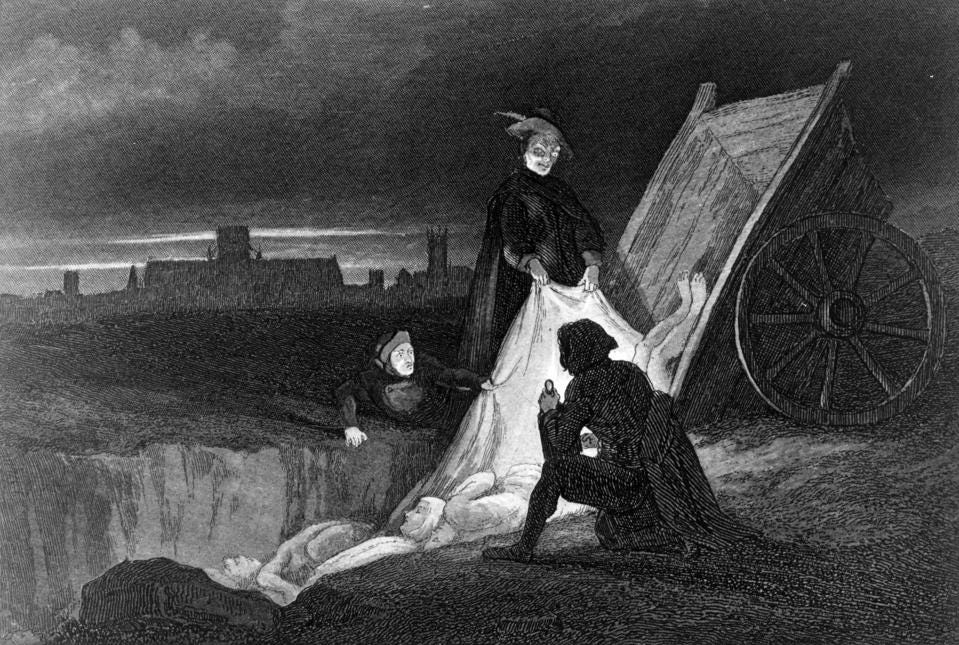
The Countless Dead
This disease alone, even without considering other infectious scourges such as cholera, forced the creation of numerous plague pits in areas that once lay on the outskirts of the city. Today, these same locations sit firmly within central London – Aldgate Station, Green Park, Charterhouse Square, and even the picturesque grounds of Vincent Square in Westminster.
Excavations carried out for the construction of the London Underground as well as other major building projects across the capital frequently result in the disturbance and uncovering of ancient remains. In fact, certain tunnels had to be sealed when drilling machines encountered dense walls of human bones in old plague pits. Yet archaeologists estimate that tens of thousands of skeletons still lie intact and forgotten beneath the city.
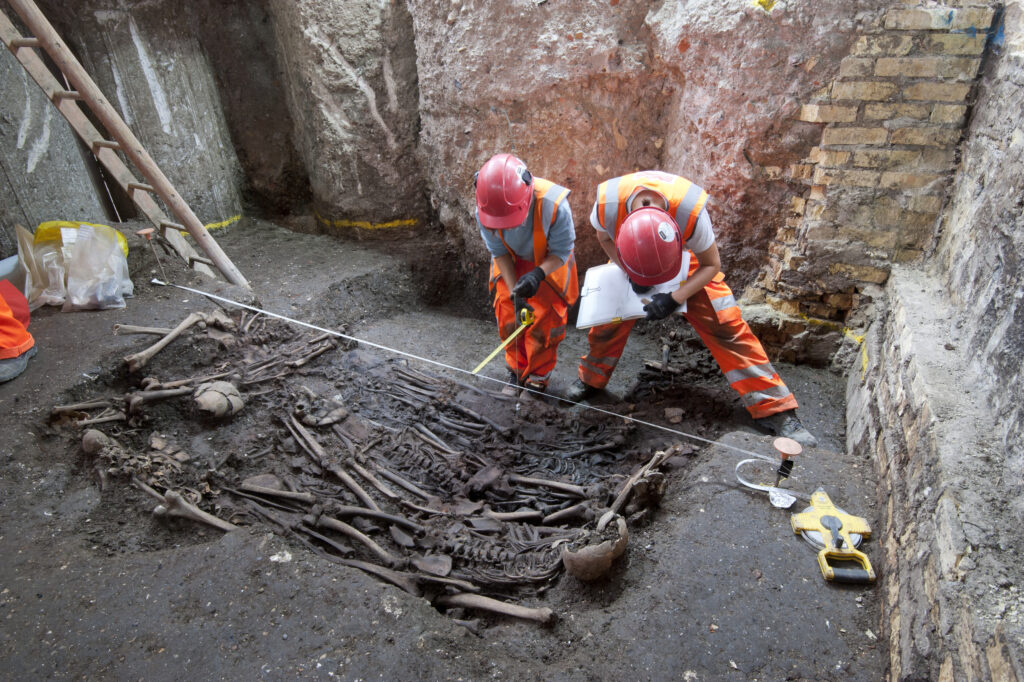
As the plague had the greatest impact on London’s death toll and ultimately gave the capital its macabre nickname – the City of the Dead – this article explores twenty confirmed, widely known, and lesser-known plague pits scattered across London, with their locations carefully marked on a modern map of the city for ease of exploration.
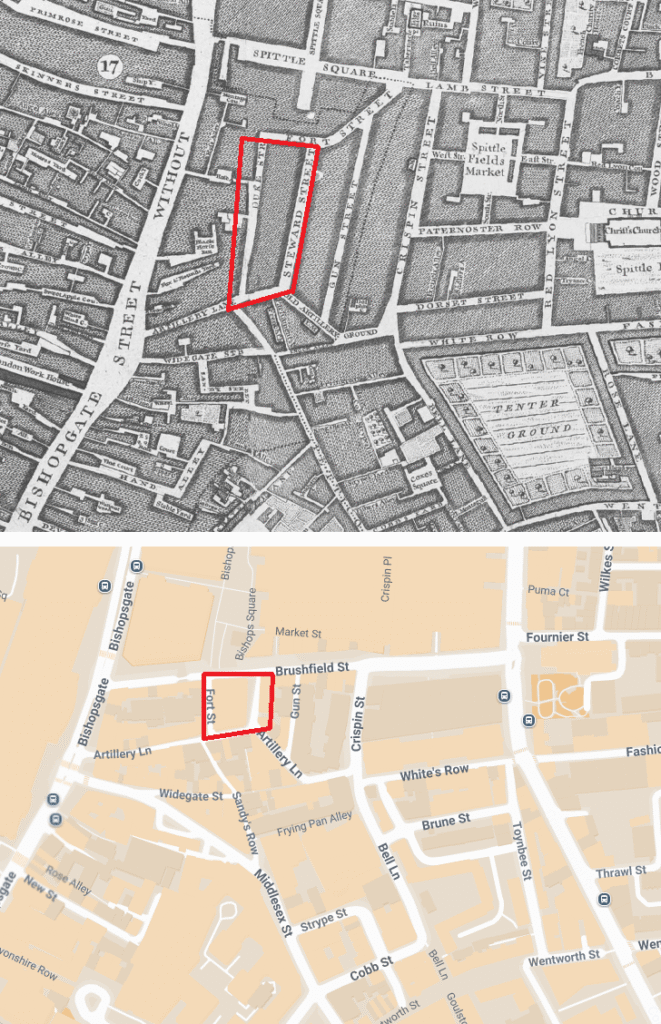
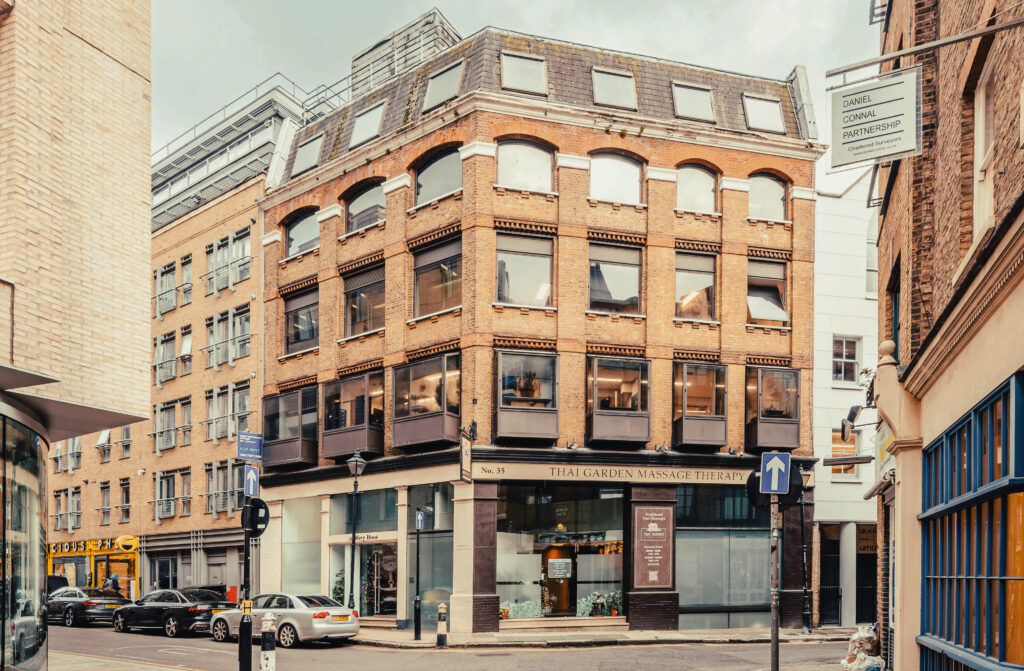
1. Artillery Lane, Bishopsgate
In the Bishopsgate district lies a site intimately connected to the medieval plague pandemic, with the possibility that further remains still lie buried nearby. Historical records describe the area as “no man’s land”, used as an emergency burial ground during the devastating 14th-century outbreaks of the Black Death. Excavations have offered a glimpse into the grim lives of those who perished, revealing that many were impoverished and suffered from chronic malnutrition. Layers of history overlap at this site: further works in the 1970s unearthed a large Roman cemetery, backfilled in the mid-2nd century, reminding us that the earth beneath London has served as a receptacle for the dead for over two millennia.
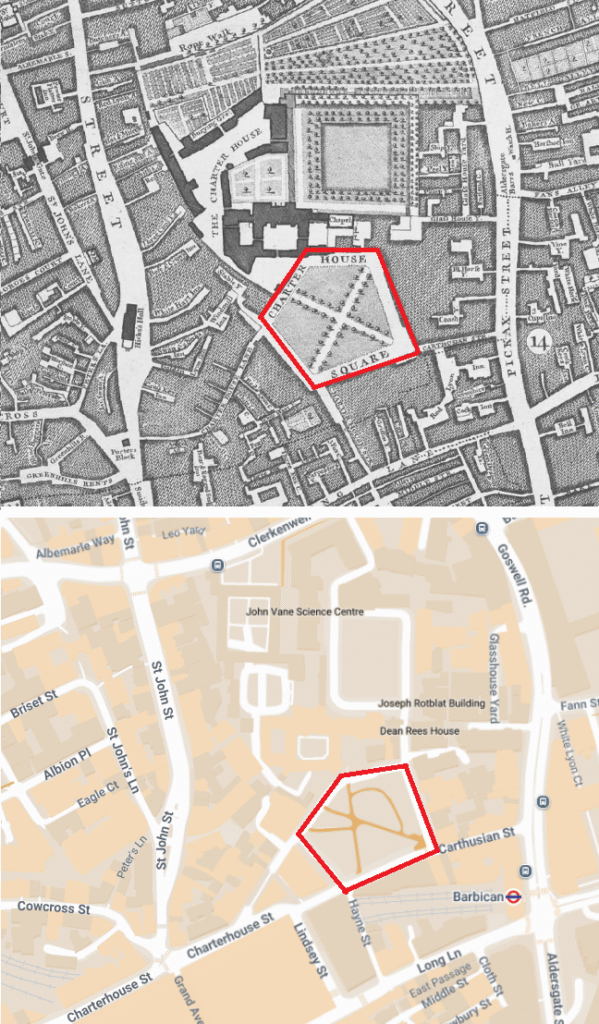
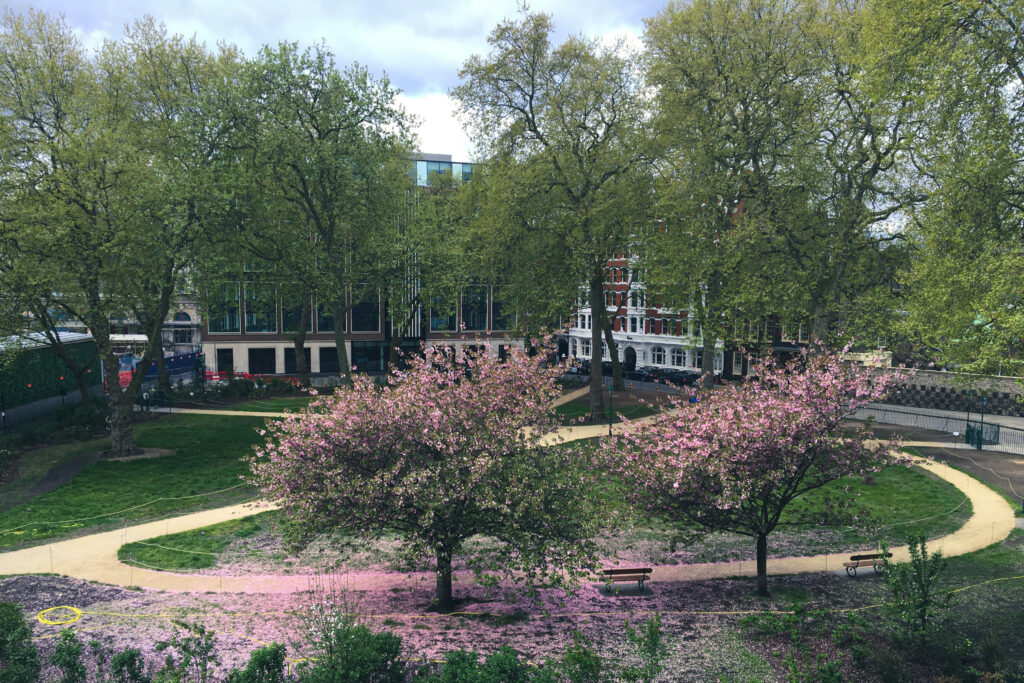
2. Charterhouse Square, Farringdon
Charterhouse Square was designated as an official emergency burial ground in 1348 by Sir Walter de Manny, a figure closely linked to King Edward III. Situated outside the city walls as part of the West Smithfield cemetery, it became one of London’s darkest and most dreadful cemeteries during the Black Death.
The precise number of victims interred here is uncertain. Papal records from 1351-52 speak of over 60,000 dead, while the 16th-century chronicler John Stowe claimed the toll exceeded 100,000. Modern historian Barry Sloane, however, regards the chronicler Robert of Avesbury as the most reliable witness, recording that “more than 200 bodies were carried to the cemetery for burial almost every day,” amounting to some 23,000 victims between February and April 1349.
More recently, Crossrail excavations in March 2013 shed further light on the number of plague victims in the area, confirming at least twenty-five bodies at Charterhouse Square, while the wider West Smithfield site is thought to have held over 5,000.
3. The Royal Mint, East Smithfield
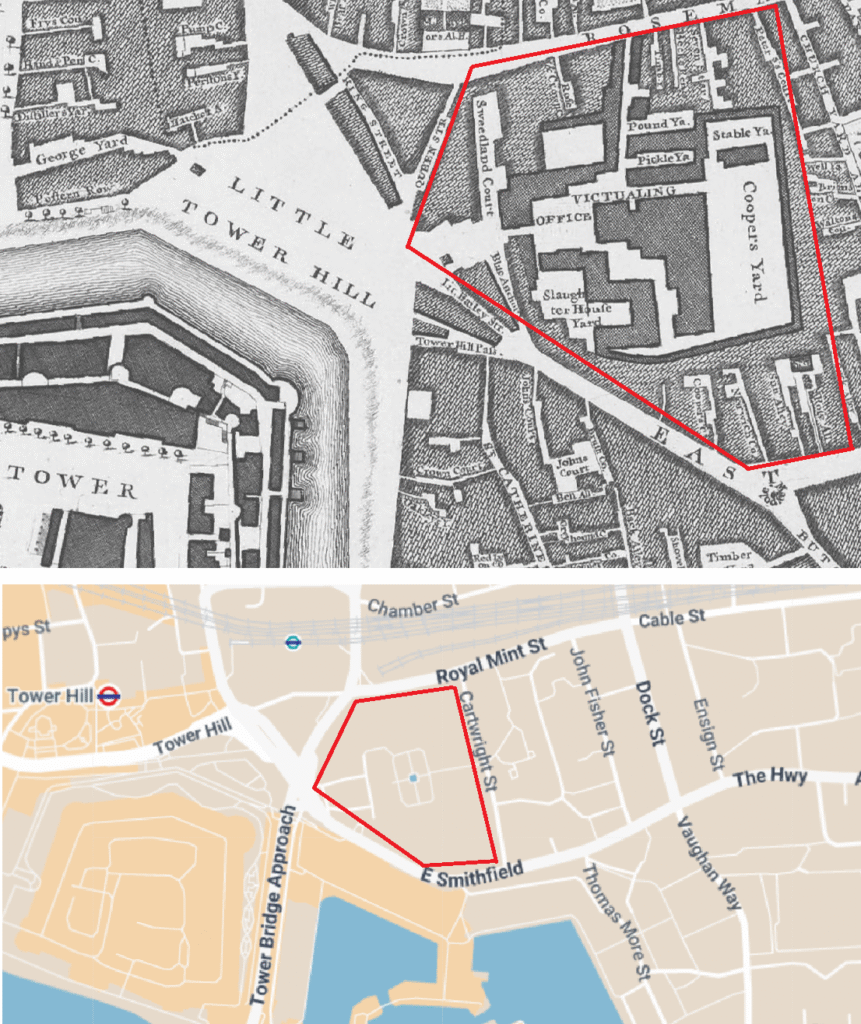
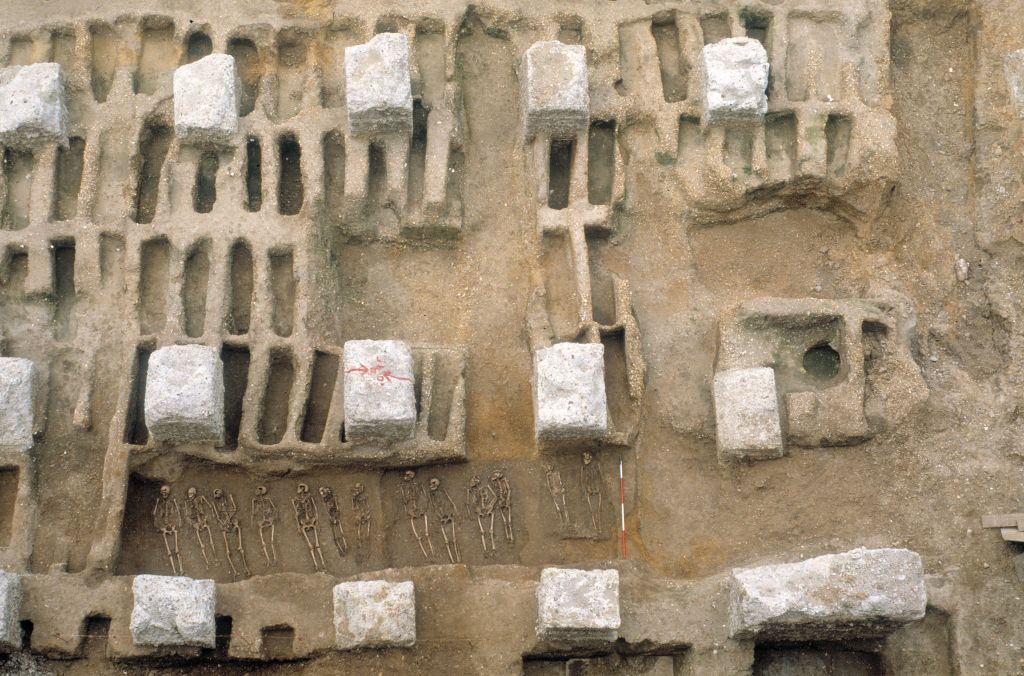
The cemetery of East Smithfield was founded at the behest of the city’s prominent men, likely in connection with King Edward III, and lay just beyond the city walls, near the Tower of London, in what was then a semi-rural landscape. The grounds bear witness to mass grave trenches, a large pit, and individual burials, each testament to the desperate measures taken to inter the dead.
Excavations by the Museum of London Archaeology Service in 1986 and 1988 revealed 759 skeletons, yet the burials themselves show a remarkable degree of organisation. Though the bodies were stacked tightly, sometimes five layers deep, each was still carefully laid in place. Archaeologists estimate that the total number of burials at East Smithfield may have approached 2,400 souls.
4. Pardon Plague Pits, The City
One of three plague pits established under the authority of Edward III, the Pardon burial ground lay north of Old Street, between St John’s Street and Goswell Road. Used not only for plague victims but also for criminals and the city’s poor, it became a massive receptacle for the dead over many centuries.
Known as Pardon Churchyard, or the Pardon Plague Pit, it was founded by Bishop Ralph de Stratford to provide a consecrated resting place for those whose numbers overwhelmed the regular churchyards at the plague’s height. A chapel on the site lent the burial ground its name, where prayers were offered for the pardon of the souls of those interred, a faint attempt at sanctity amid the mass deaths.
5. Victoria Line, Green Park
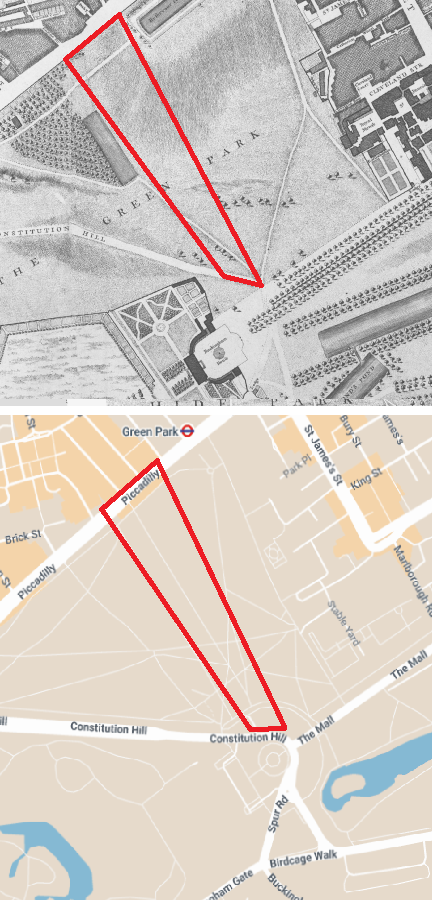
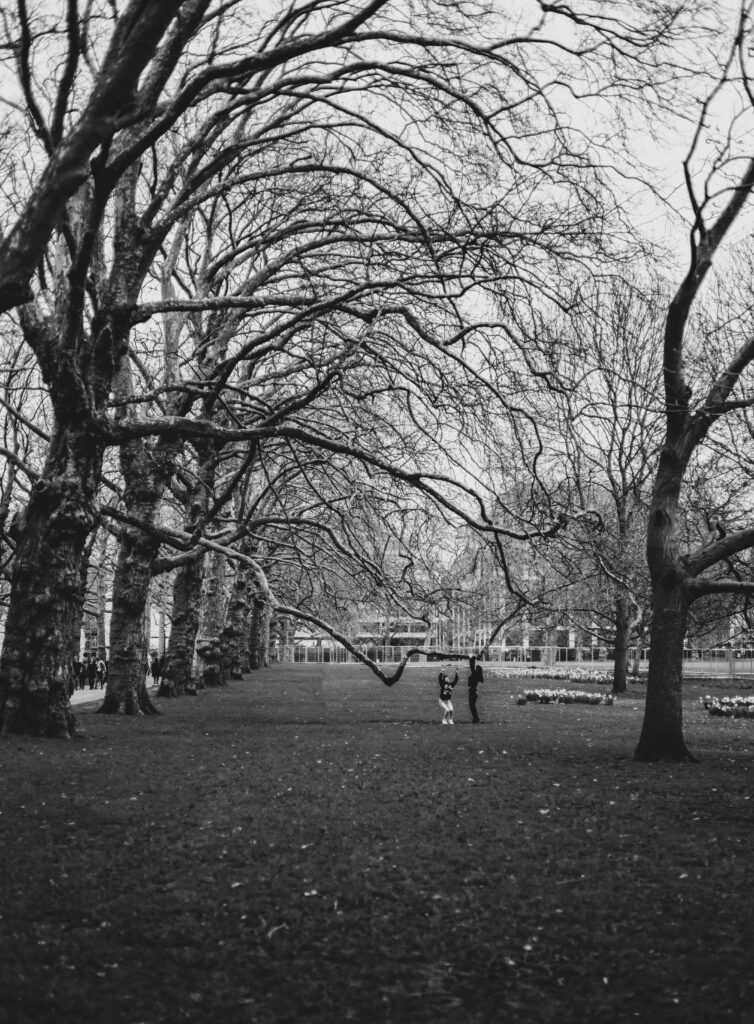
During the 1960s, skeletal remains dating to the seventeenth century were unearthed during the construction of the Victoria Line. Workers disturbed a known burial ground near the Tyburn stream, confirming that the underground route passes through areas once used for emergency plague interments.
6. Holywell Mount, 38 Scrutton Street, Shoreditch
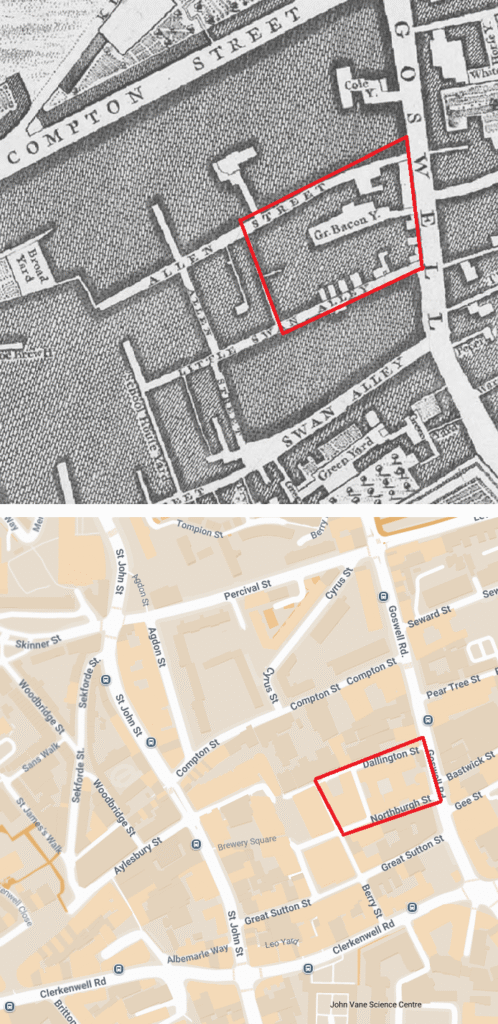
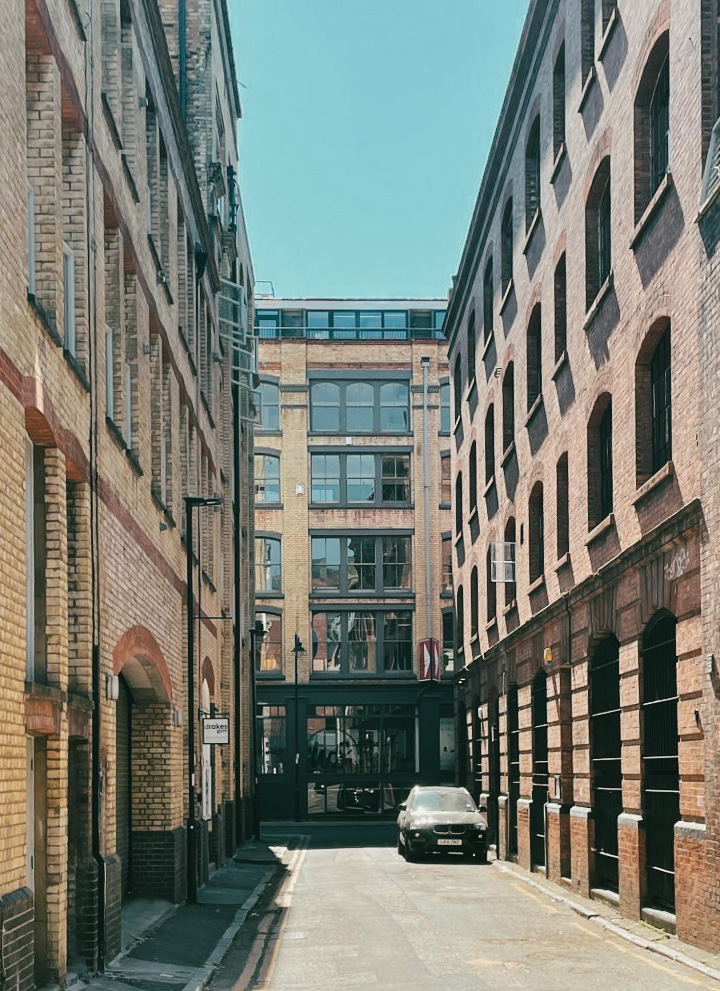
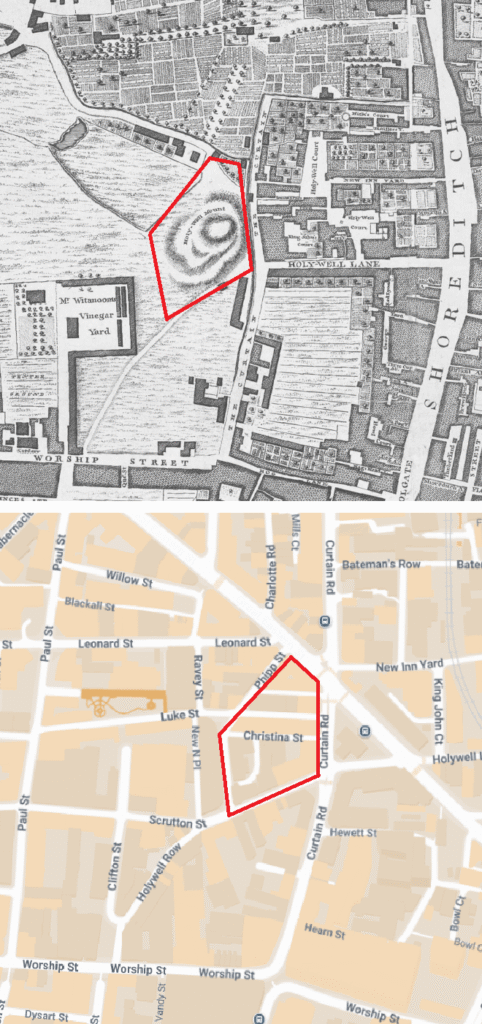
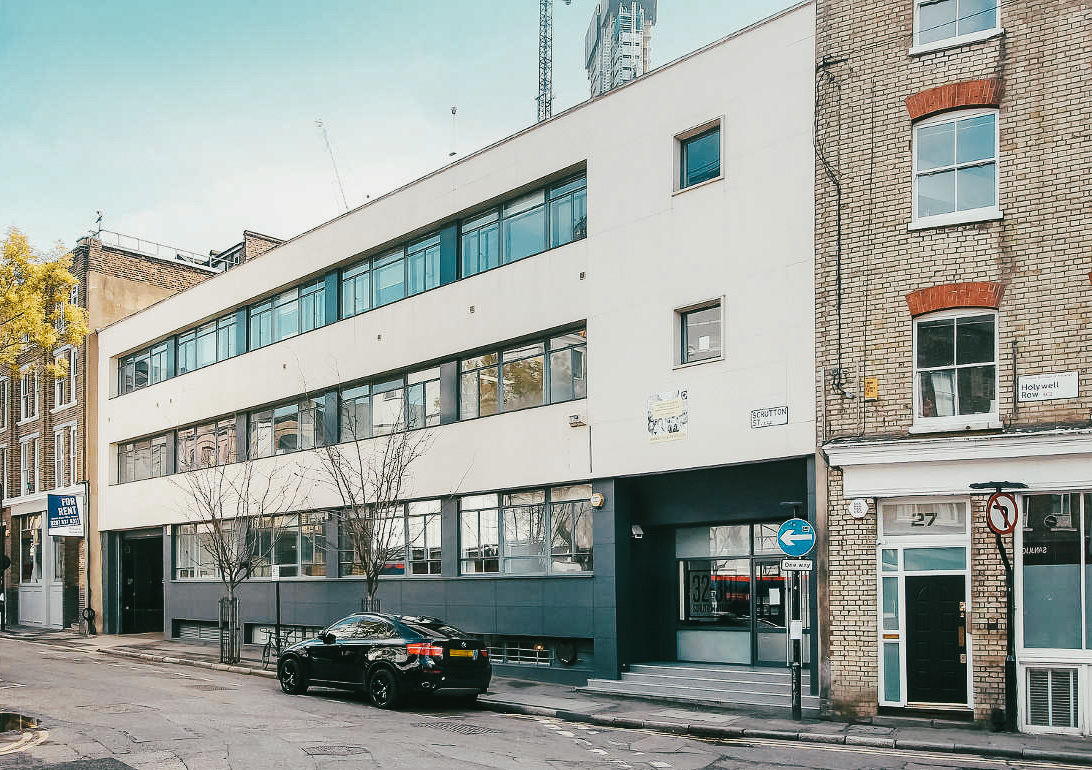
Holywell Mount was a long-established burial site, reserved for the local, non-noble dead, and used repeatedly over the centuries. It bore a particularly heavy toll during the outbreak of 1665-1666, when the Great Plague ravaged Shoreditch. Today, a small open area remains visible from 38 Scrutton Street, though the rest of the grounds have long since been built over.
7. Bakerloo Line London Depot, Elephant & Castle
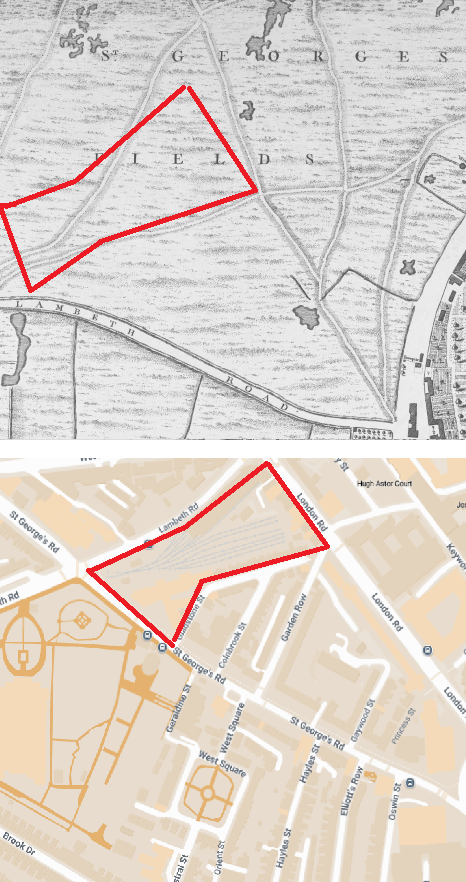
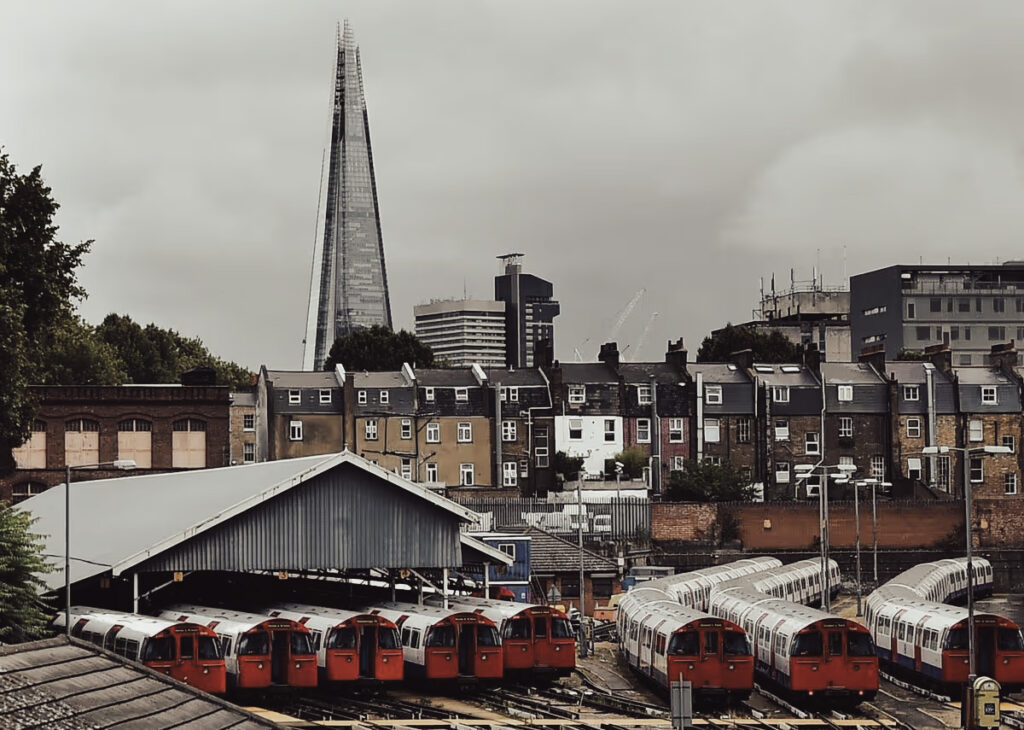
At the southern end of the Bakerloo Line’s London Depot, a rarely visited dead-end tunnel runs just beyond a wall, behind which lies a seventeenth-century plague pit. Beneath the station, another tunnel leads to Elephant & Castle, while staff know this shadowed passage as an uneasy, seldom-used place, supposedly haunted by the mass grave. Even today, London’s living pass unknowingly above the city’s forgotten dead.
8. St-Giles-in-the-Fields
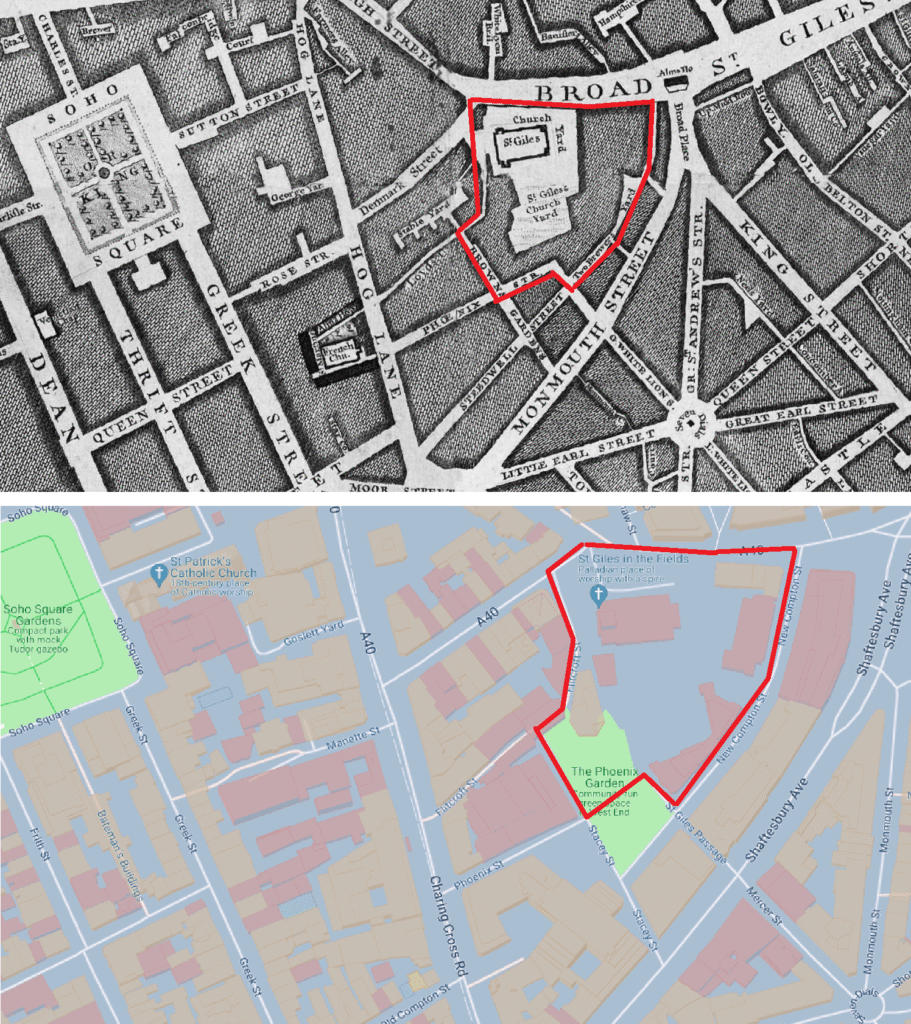
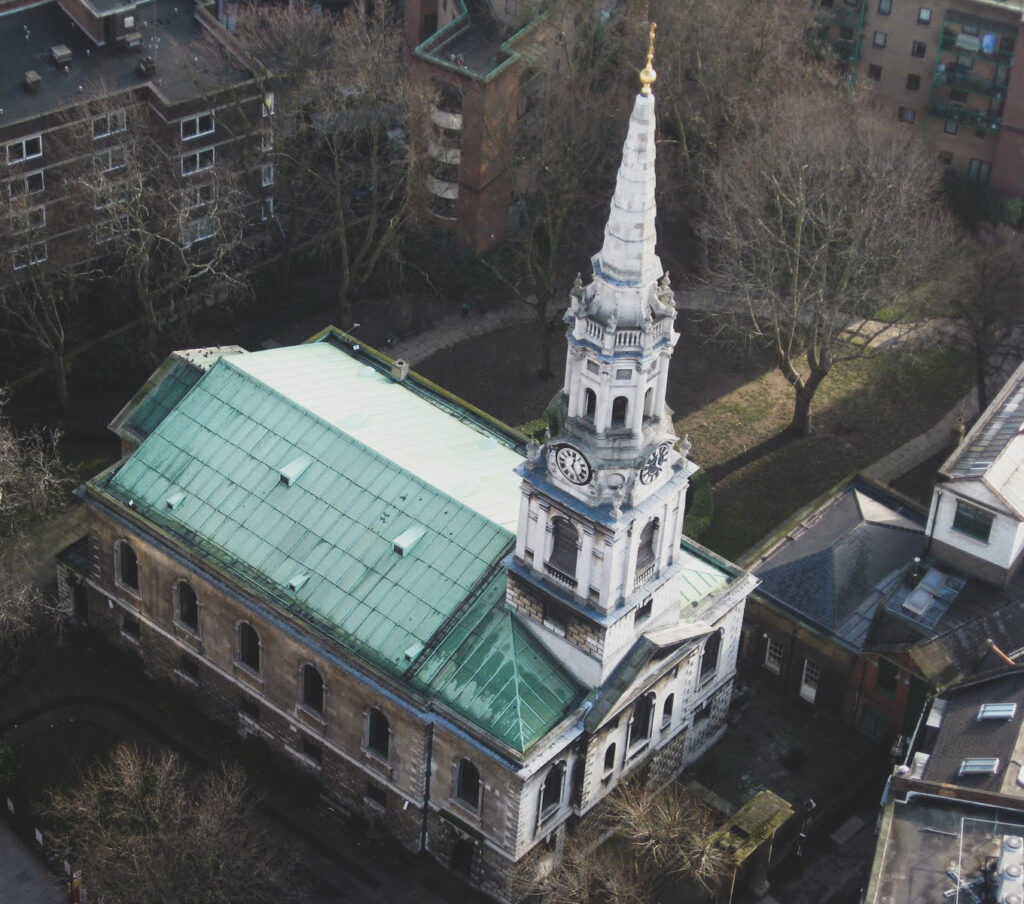
The first recorded mass grave of the Great Plague of 1665–1666 was dug in the churchyard of St Giles-in-the-Fields. The district of St Giles was among the earliest areas of London to be struck by the pestilence. By the time the plague finally receded, five enormous pits had been carved within the same churchyard. In July 1665 alone, no fewer than 1,391 bodies were laid to rest here, all from the same parish, swallowed beneath the earth in silent anonymity.
9. St Botolph without Aldgate
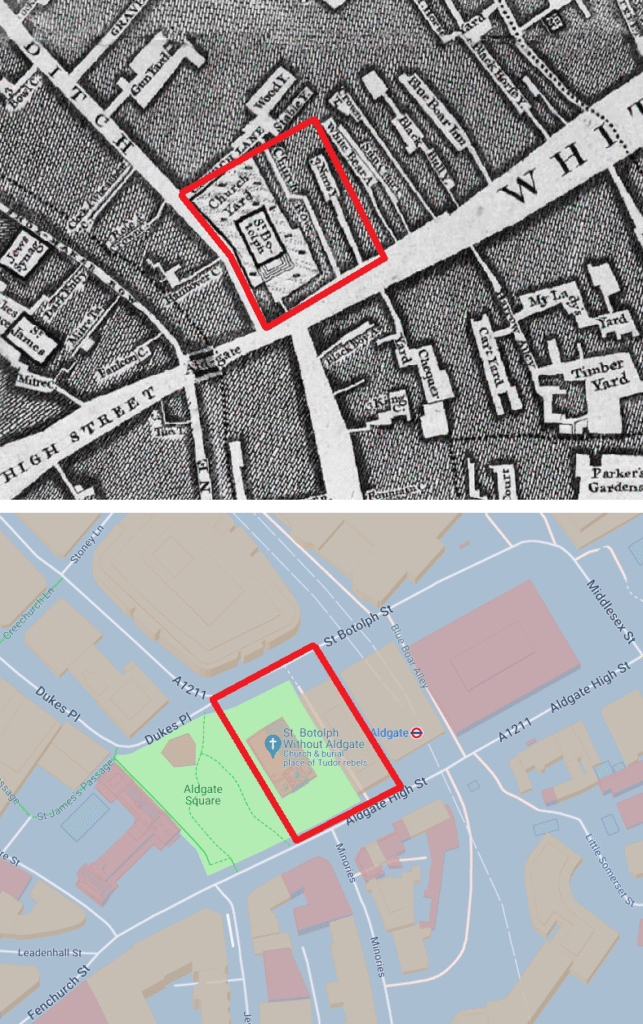
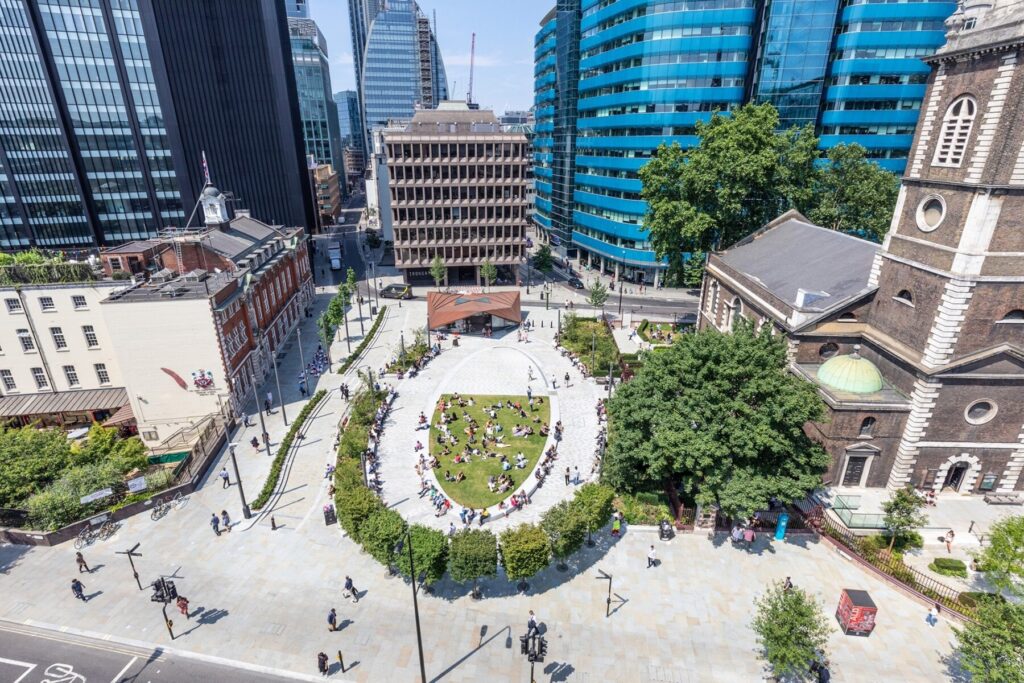
Just beyond the city walls, in the parish of Aldgate, an enormous mass grave was carved near the church of St Botolph, stretching roughly fifteen metres by six. When the grave could no longer be widened, the gravediggers dug ever deeper, descending until they struck the underground water some six metres below. In the end, the pit swallowed 1,114 bodies from the 1665 epidemic.
The site lay hidden for nearly two centuries until 1859, when architectural works in the eastern corner of the narrow alley known as Three Nuns Court unearthed a vast quantity of human skulls and bones, lying some two metres beneath the street. On the opposite side of the church, within the former burial ground now transformed into a public park, the earth gave way in 1870, revealing yet another pit from the same dreadful year. Not far from the church, nineteenth-century tube workers also stumbled upon a staggering quantity of remains during the initial construction of the underground station, as if Aldgate’s dead refused to be forgotten.
10. St Bride, Fleet Street
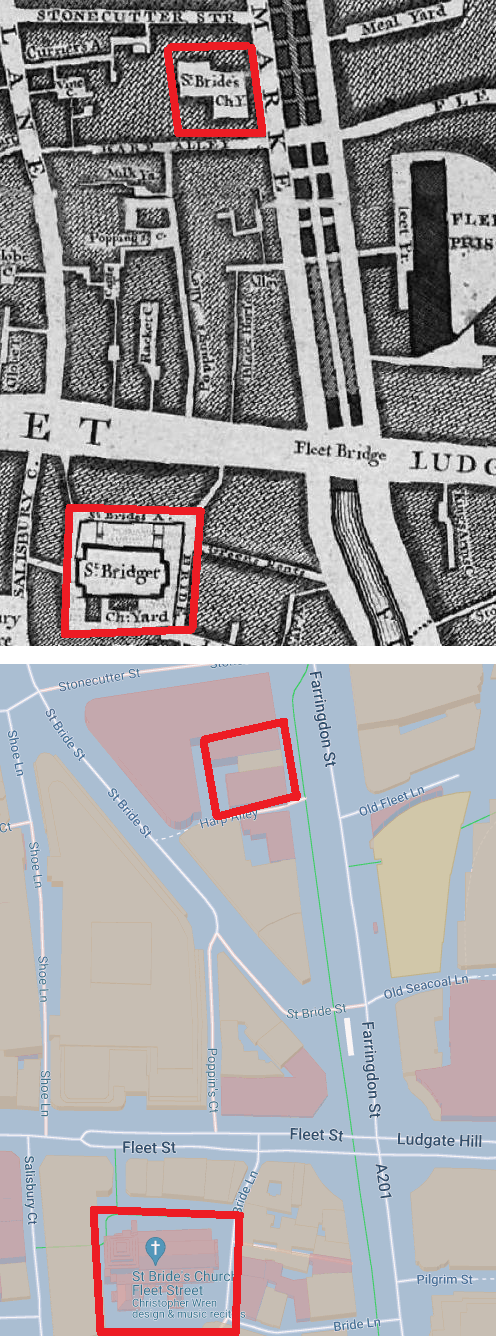
In 1610, the church of St Bride acquired a parcel of land near the River Fleet, recorded in parish documents as the “lower churchyard.” By August 1665, the “upper churchyard” beside the church had begun to run out of space as the plague gathered its dreadful momentum.
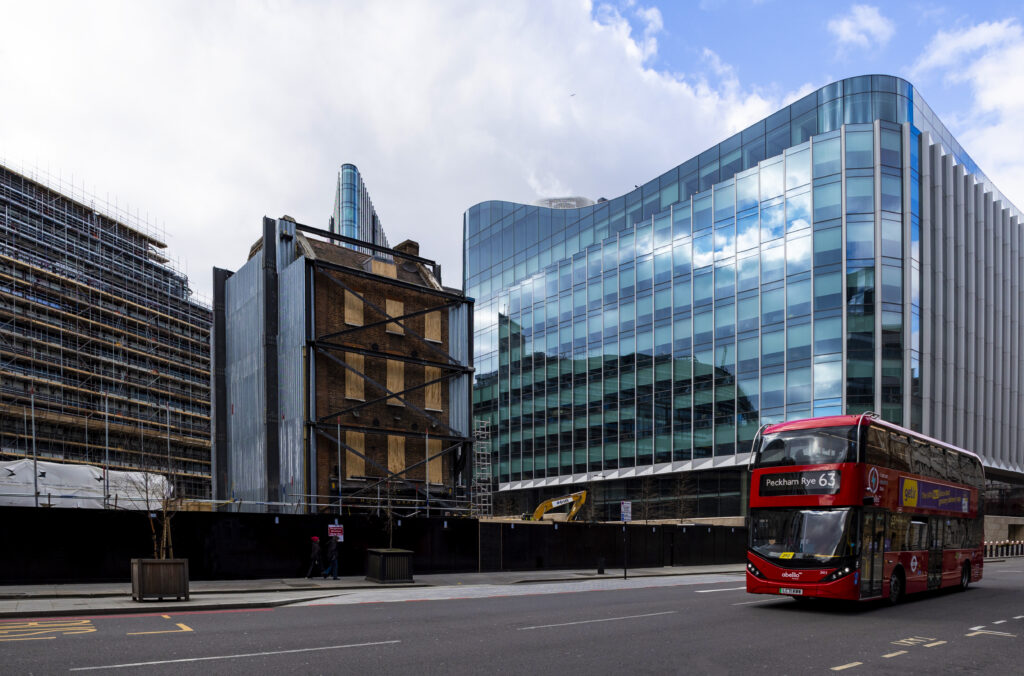
The parish soon turned to mass graves, most likely dug within the grounds of the lower churchyard. The exact location remains marked on a map of London from 1746. Today, this site has been taken over by modern construction; the houses that once lined Farringdon Street – with the notable exception of the old pub, The Hoop & Grapes – have vanished from the cityscape a few years ago, leaving traces of their existence only on the old maps of London.
11. Vincent Square, Westminster
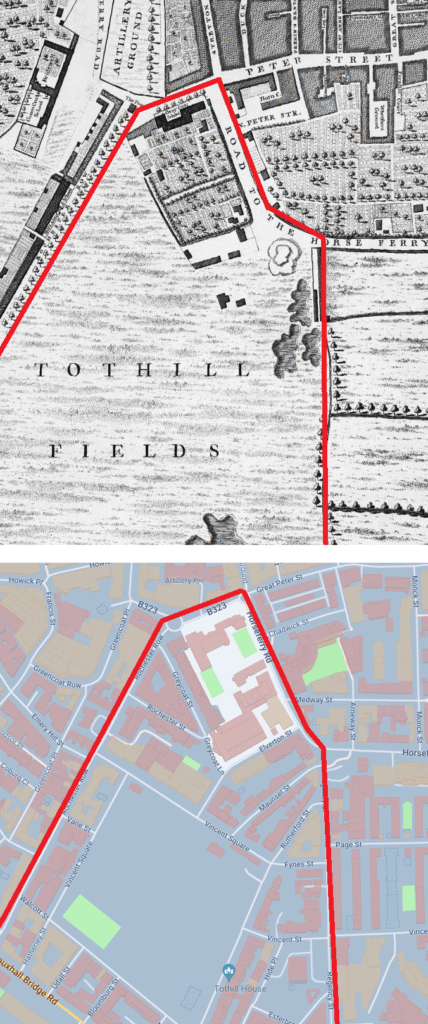
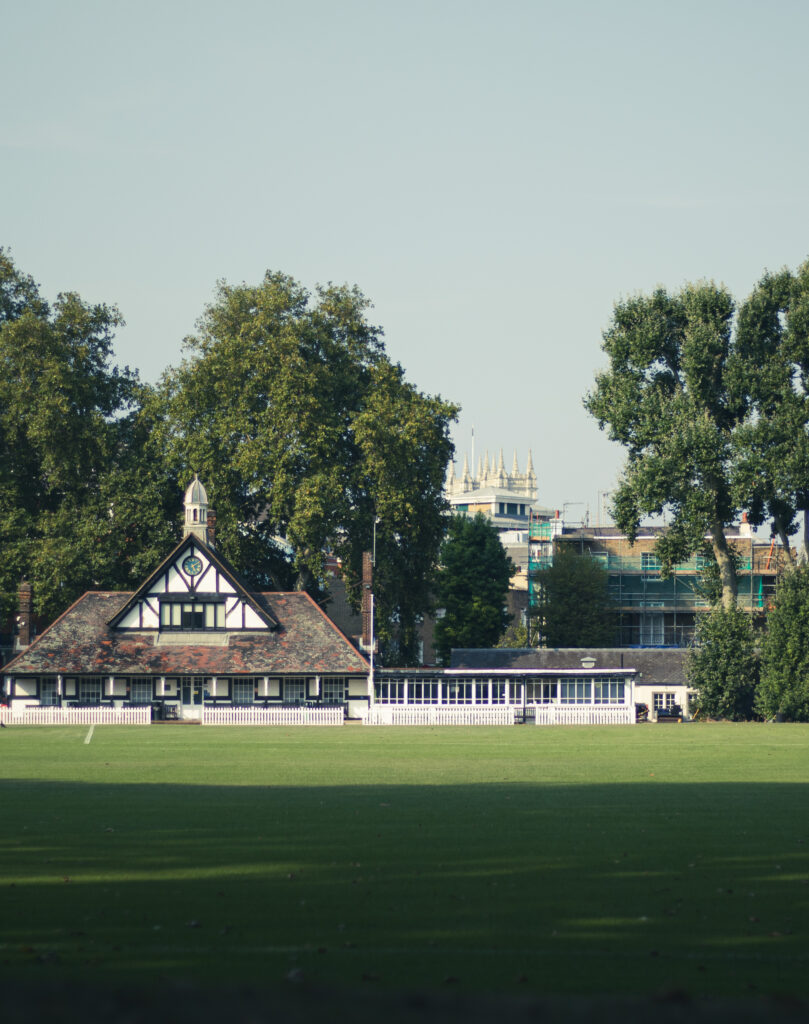
The present-day square in the heart of Westminster covers part of the former Toothill Fields, where a makeshift pesthouse for plague victims had been set up in 1638. During the Great Plague, at least a dozen mass graves were dug across these fields, devouring the infected and the dying alike.
Later construction in the area disturbed numerous bodies, buried in chaotic disorder beneath the soil. Among the remains were countless clay pipes, likely belonging to the gravediggers themselves, who smoked incessantly, believing tobacco might shield them from the invisible contagion.
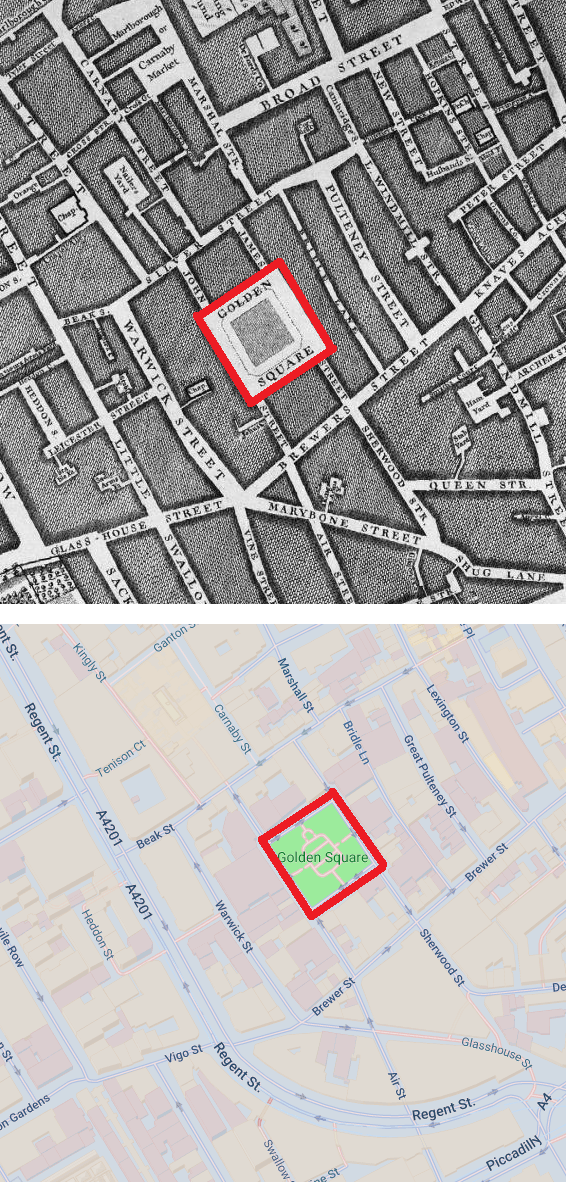
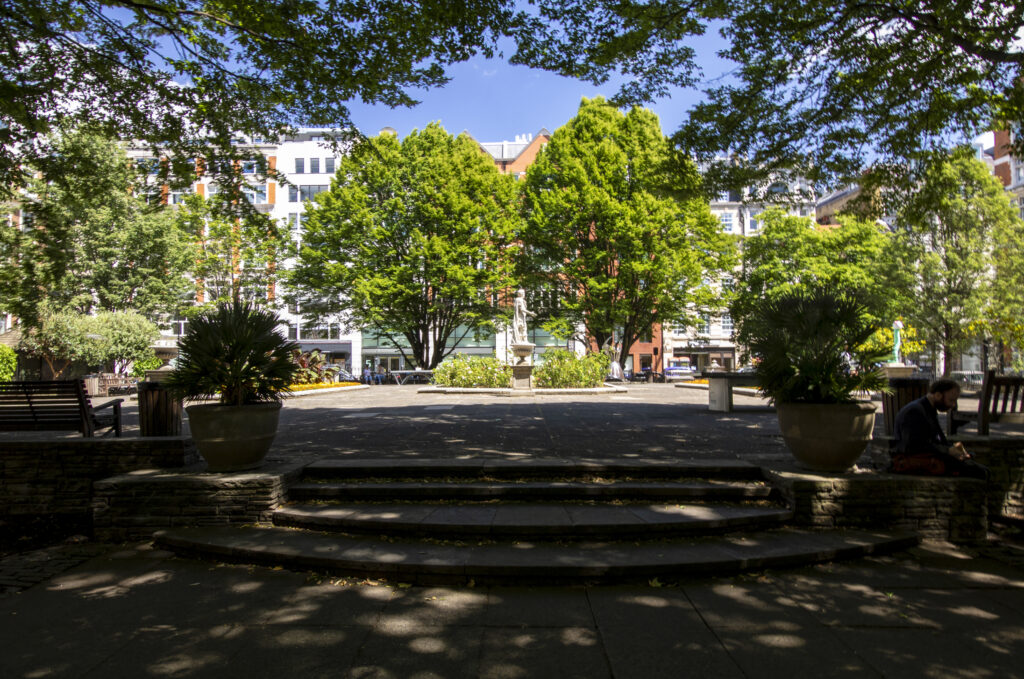
12. Golden Square, Soho
In 1665, the city authorities ordered the church of St Martin-in-the-Fields to provide the parish with a temporary pesthouse and an adjoining burial ground. The parish established it on land that now forms part of Soho.
Several mass graves were dug within the hospital grounds, at least one of which lies beneath what is now Golden Square. At the height of the epidemic, the dead were brought here from neighbouring parishes as well. On a single night, it was common for twenty to forty bodies to be interred in silent anonymity, hurried and unceremonious.
13. New Churchyard (Bethlem Burial Ground)
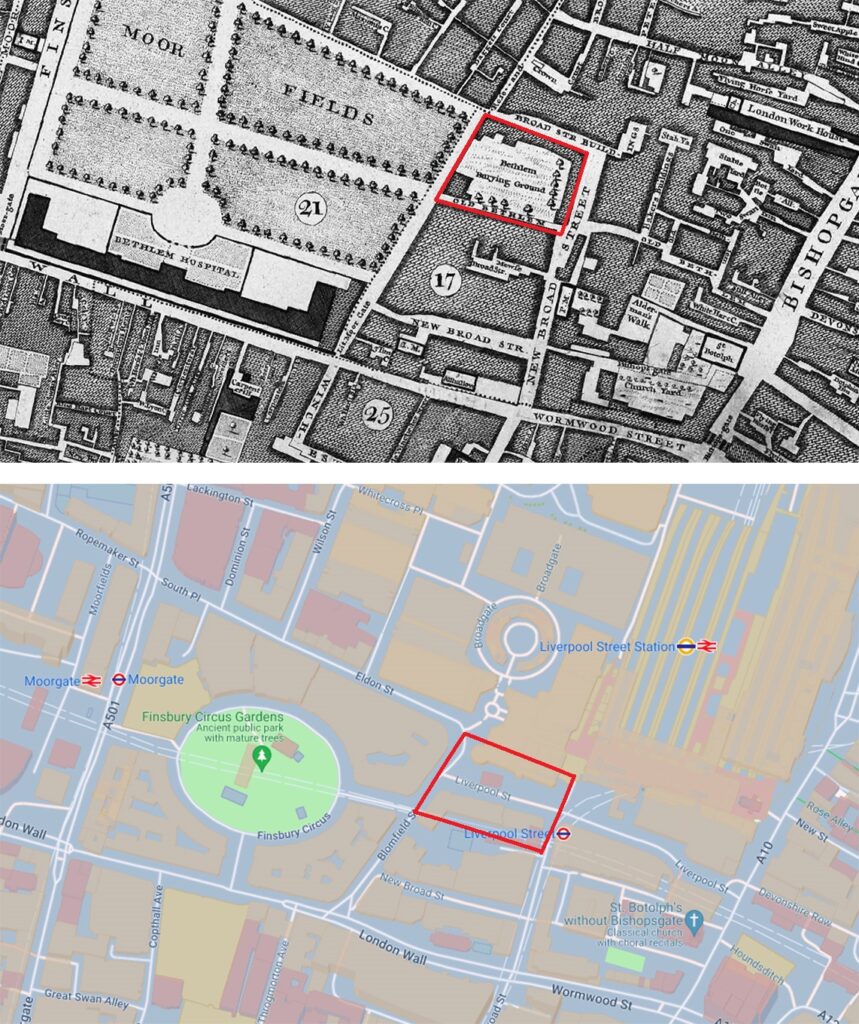
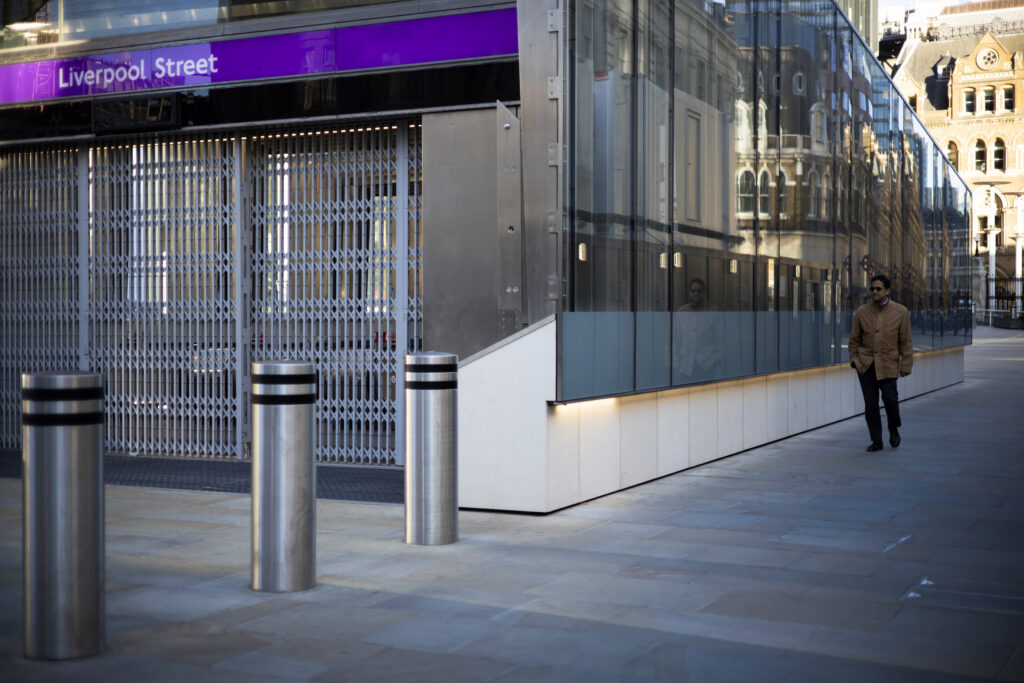
During the construction of the Elizabeth Line and the expansion of Crossrail at Liverpool Street, workers unearthed yet another mass grave from 1665. Between 2011 and 2015, archaeologists recovered more than 3,300 bodies, including a pit of around forty individuals within the bounds of the former New Churchyard, once part of the Bethlem Psychiatric Hospital grounds. Examination of teeth revealed DNA from Yersinia pestis, confirming that these were victims of the bubonic plague. A decade ago, the excavations drew significant press attention; today, the site lies once more beneath the city, largely forgotten by the commuters above.
14. Broad Street Station
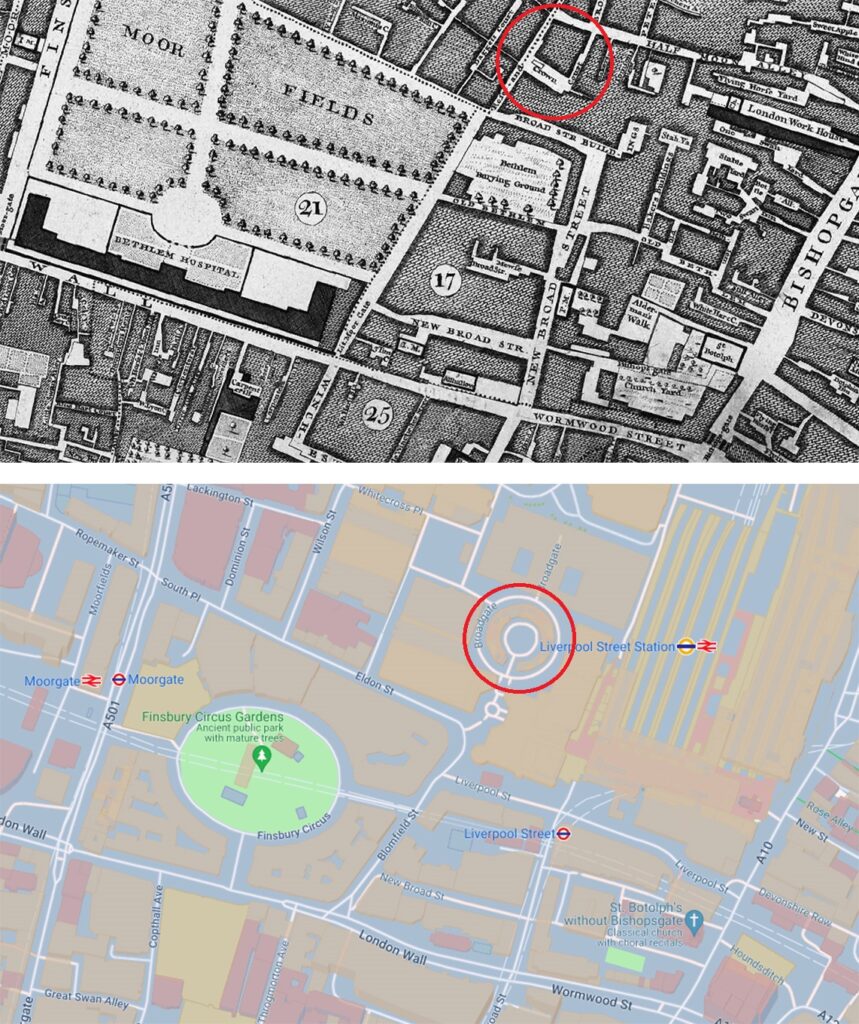
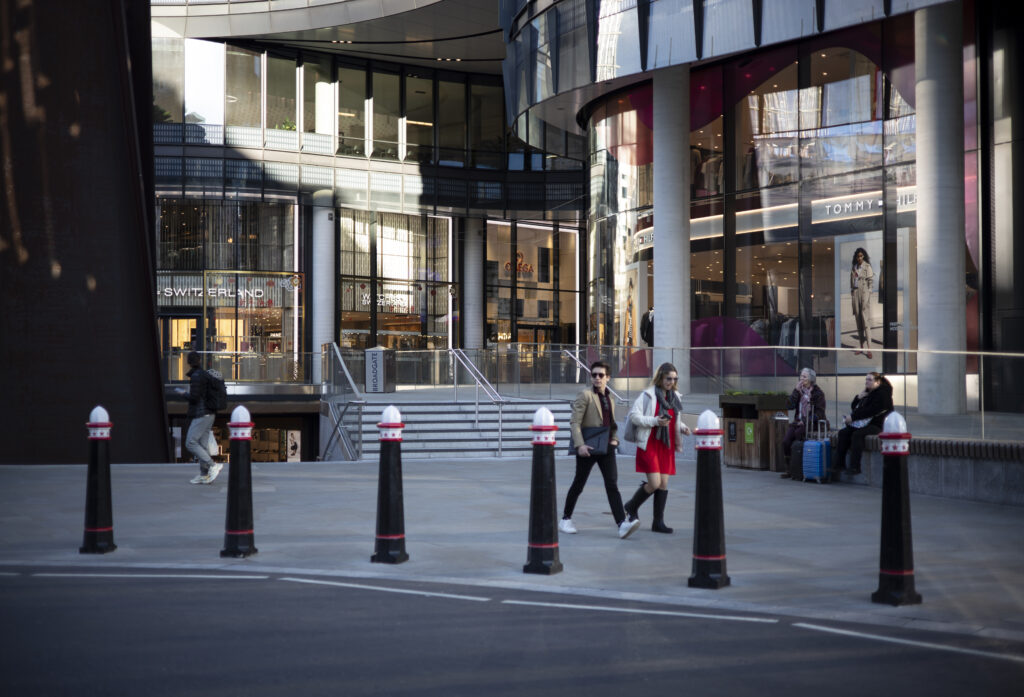
In 1863, as foundations were dug for the now-defunct Broad Street Station, workers stumbled upon roughly 400 skeletons, heaped in chaotic disorder. Among the remains lay countless leather shoes, prompting contemporary historians to conclude that, despite the absence of coffins or clothing, plague victims were often buried in their footwear. Further investigation revealed that this small cemetery, nearly forgotten in the centuries before, had been pressed back into use during the Great Plague of 1665. The site is absent even from London’s 1746 maps, leaving only the earth and bones to testify to its grim history.
15. Novo Cemetery, Mile End Road
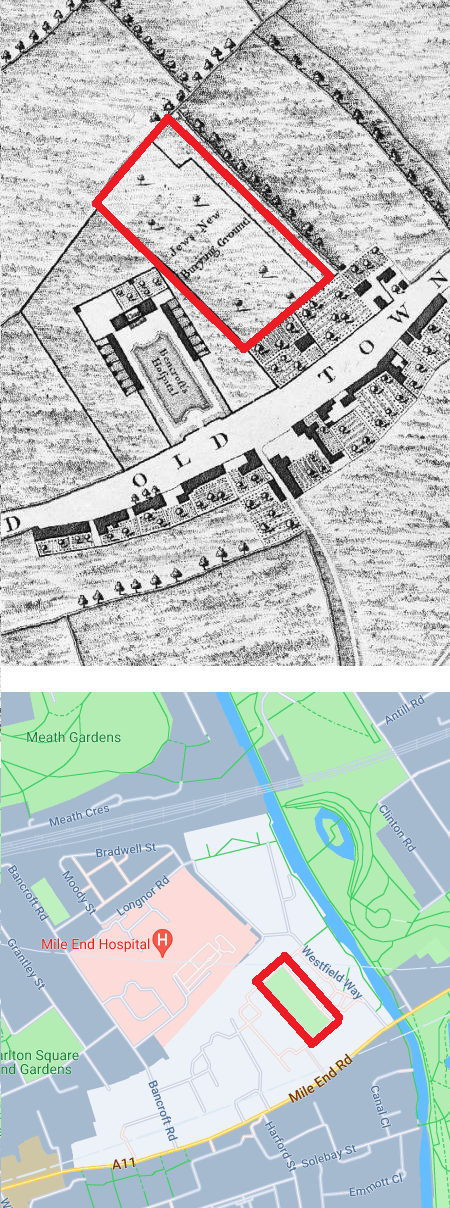
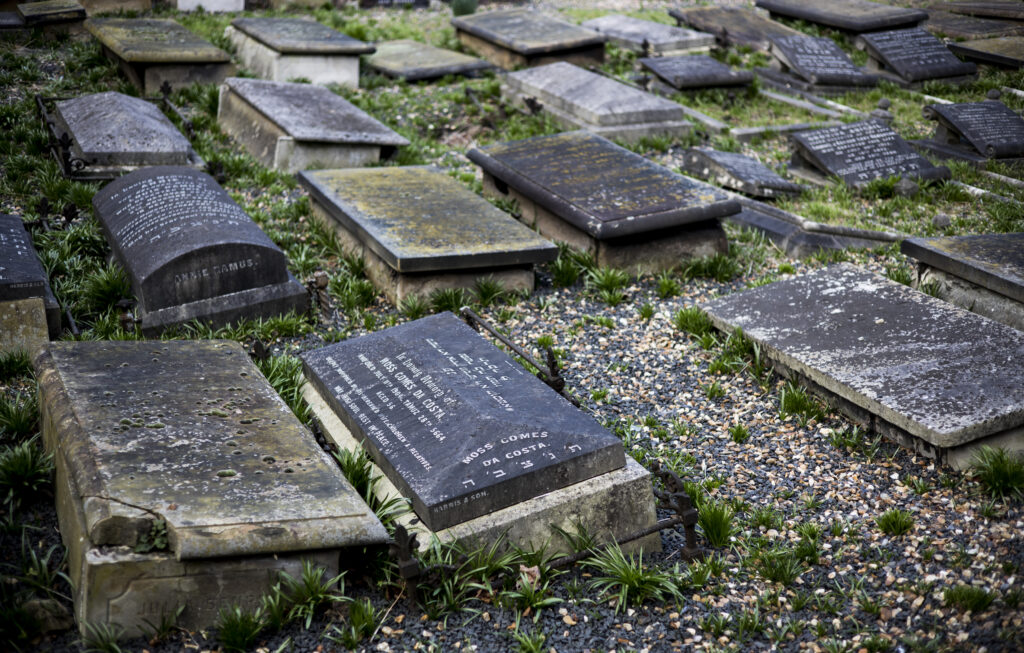
In the seventeenth century, London’s Jewish community was tiny, numbering a mere 280 souls, pushed to the margins by religious intolerance. During the English Republic, Oliver Cromwell permitted the community to establish a synagogue on Creechurch Lane in the City, and to acquire land beyond the city walls for a cemetery. This burial ground was heavily used again during the Great Plague. Today, it survives, hidden behind the modern campus of Queen Mary University, a quiet enclave of memory for a persecuted and marginalised community.
16. St-Giles-without-Cripplegate
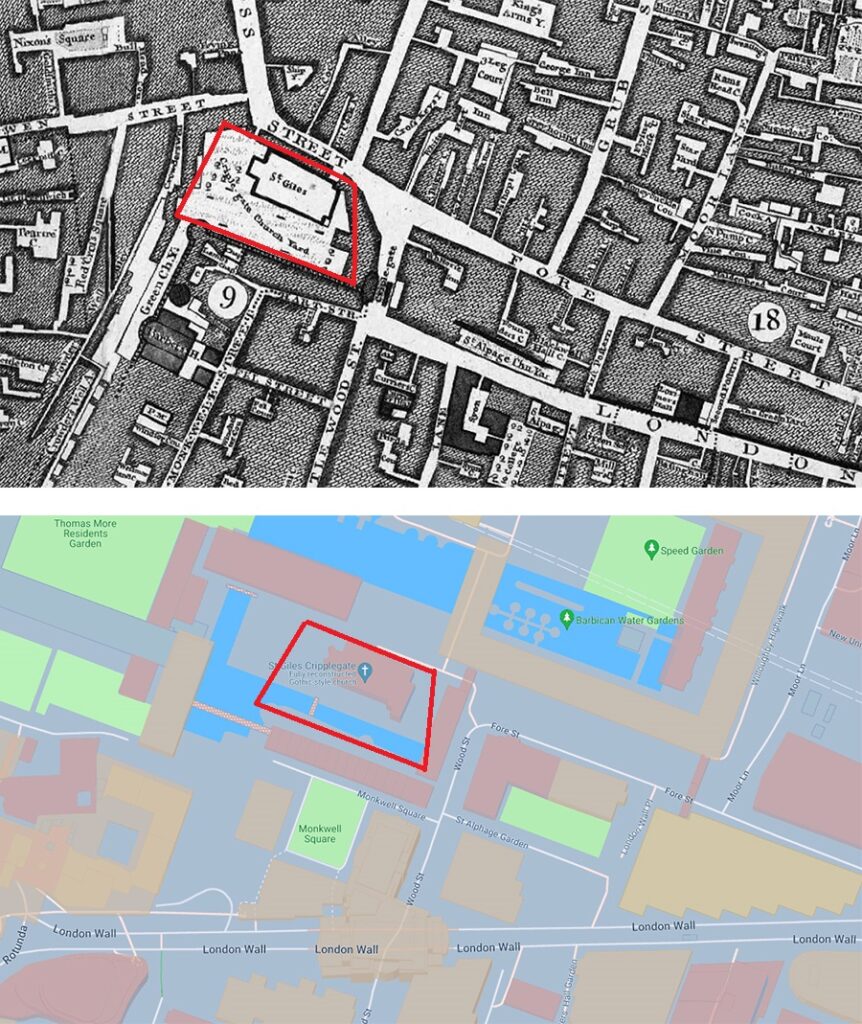
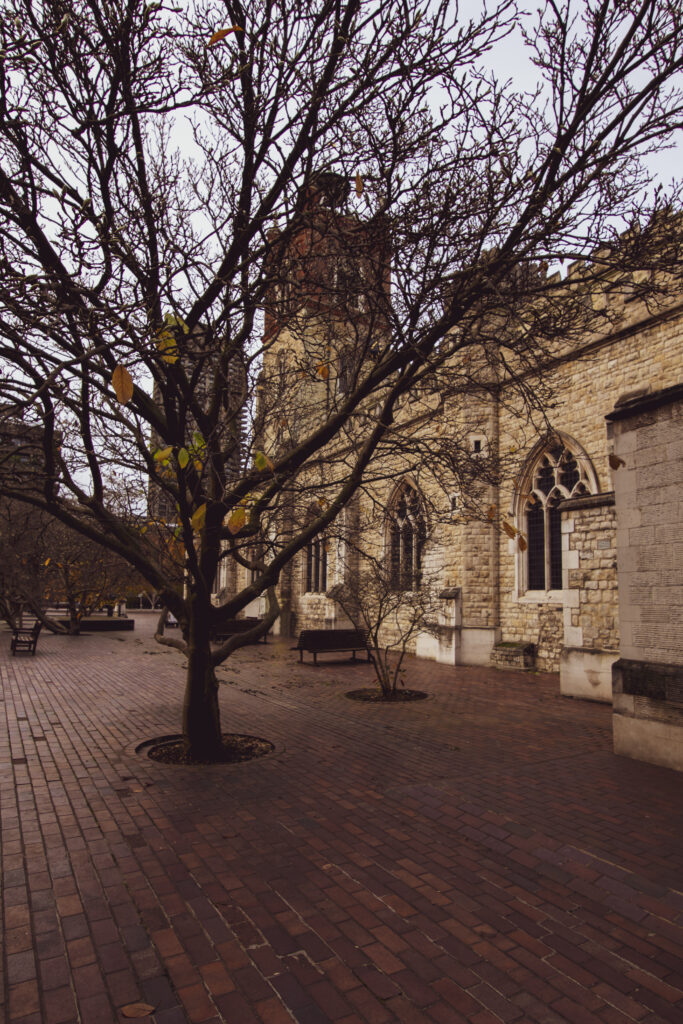
The church now enclosed within the Barbican residential estate once stood at the heart of a district that suffered most terribly within the city walls in 1665. By that time, the old churchyard was already overflowing with victims from previous outbreaks. The parish was soon forced to turn to the surrounding fields, digging mass graves in unconsecrated soil, burying the nameless dead of London beneath the brutalist slabs of modern flats.
17. Finsbury Square
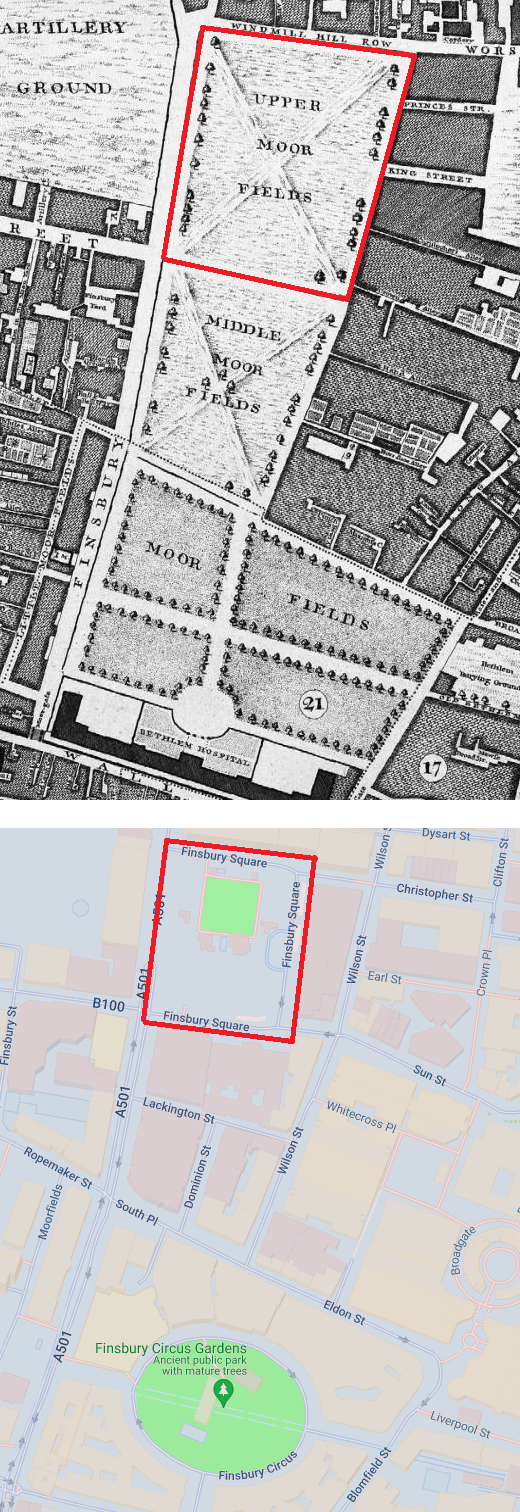
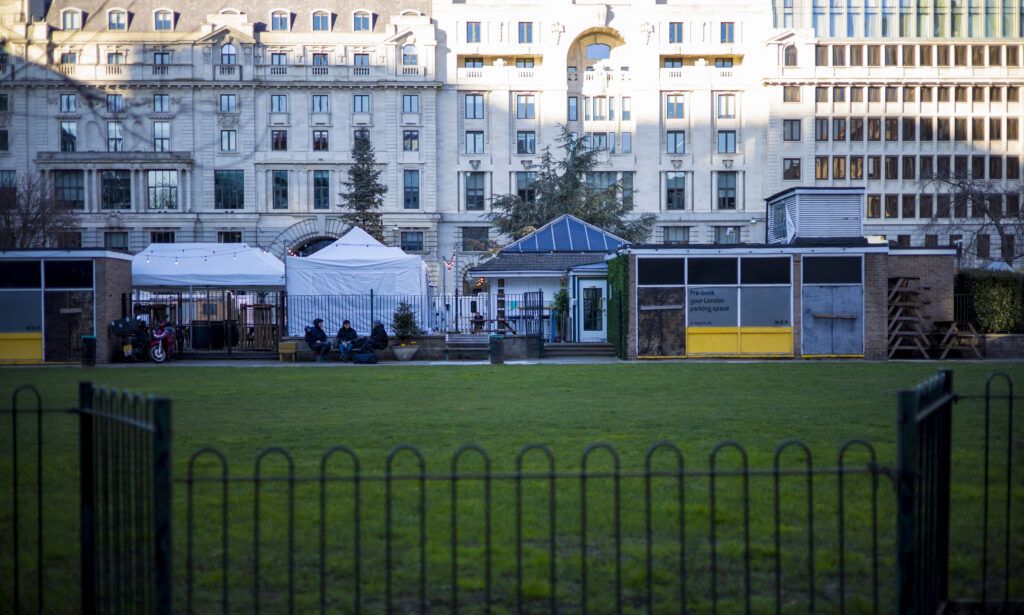
The land once known as Finsbury Fields formed part of the ancient Moorfields marshes that stretched around London’s northern edge. For centuries, this ground served as a dumping place for the city’s refuse, shunned by all who lived nearby. At the peak of the Great Plague, when the overcrowded New Churchyard at Bethlem Hospital began to exhale the sickly stench of decomposing bodies barely covered with soil, London’s authorities turned their eyes to the open fields beyond the walls, reserving them for mass graves. Even today, the true number of souls interred here remains a mystery.
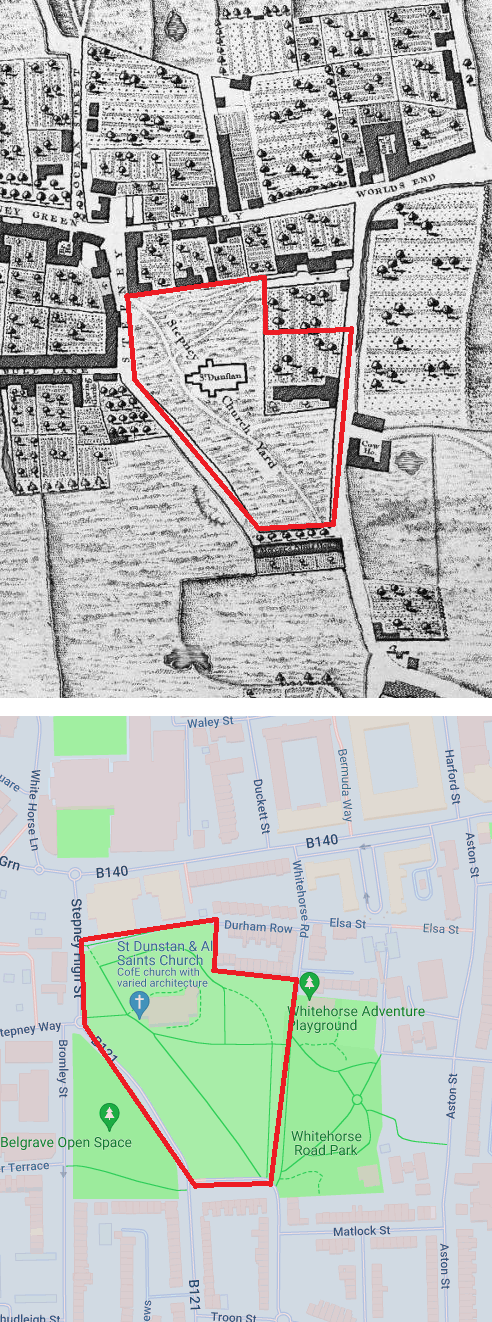
18. St Dunstan’s Church, Stepney
The plague crept to East London with a delay of several months. Its first toll fell upon St Giles-in-the-Fields in the west, before sweeping through the heart of the city and finally reaching Stepney in August 1665. Over the next two months, this parish endured the capital’s highest death count, recording 8,598 victims.
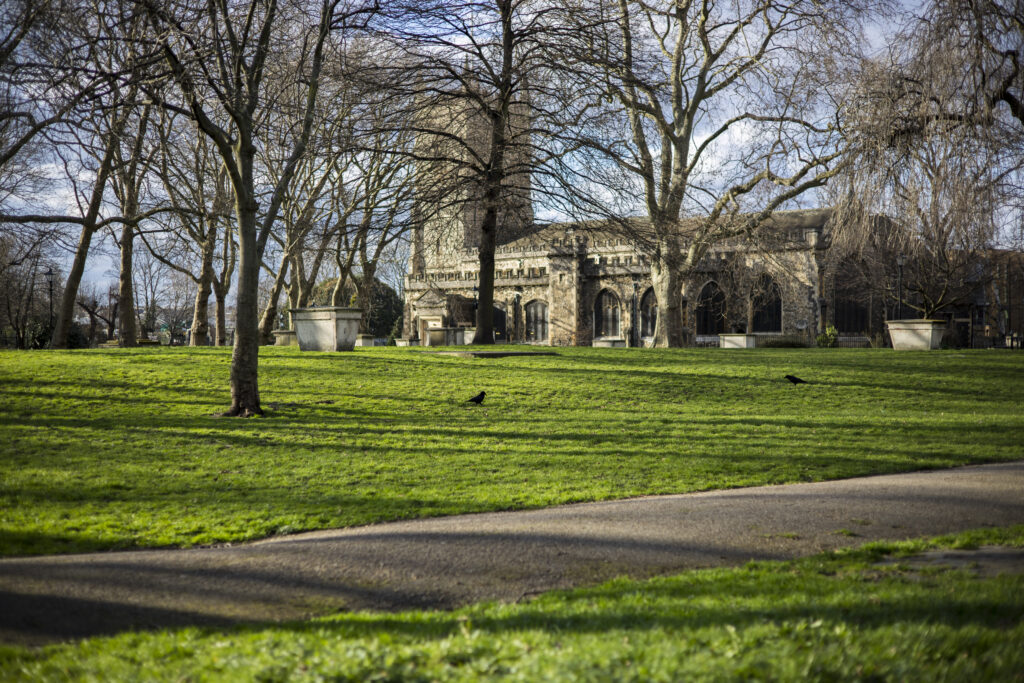
The extensive churchyard of St Dunstan’s became the primary site for mass burials. A mound still rises in the northern corner, thought to mark the resting place of several hundred bodies, while other pits likely lie where dogs are now walked and children play, their memory all but lost amid the ordinary rhythms of modern life.
19. New Street, Bishopsgate
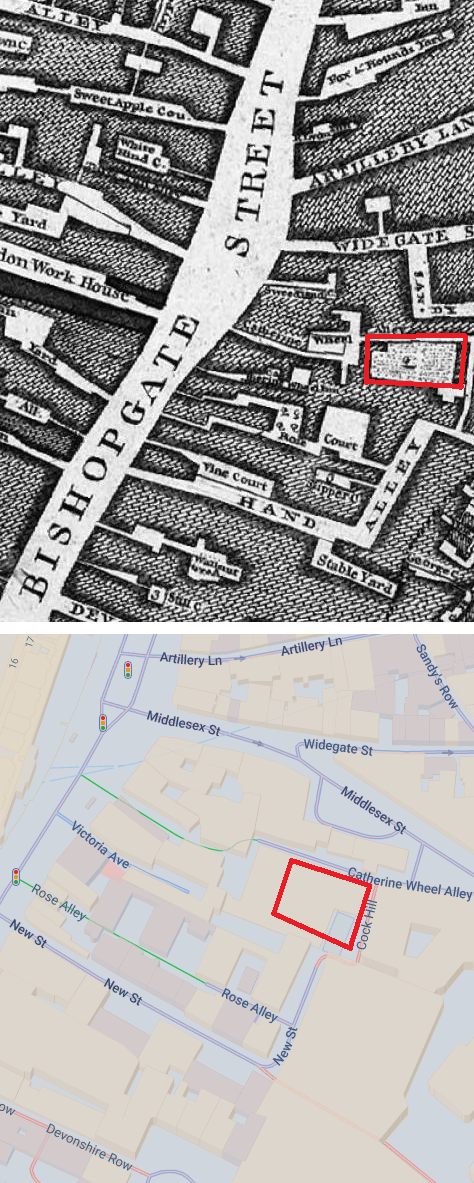
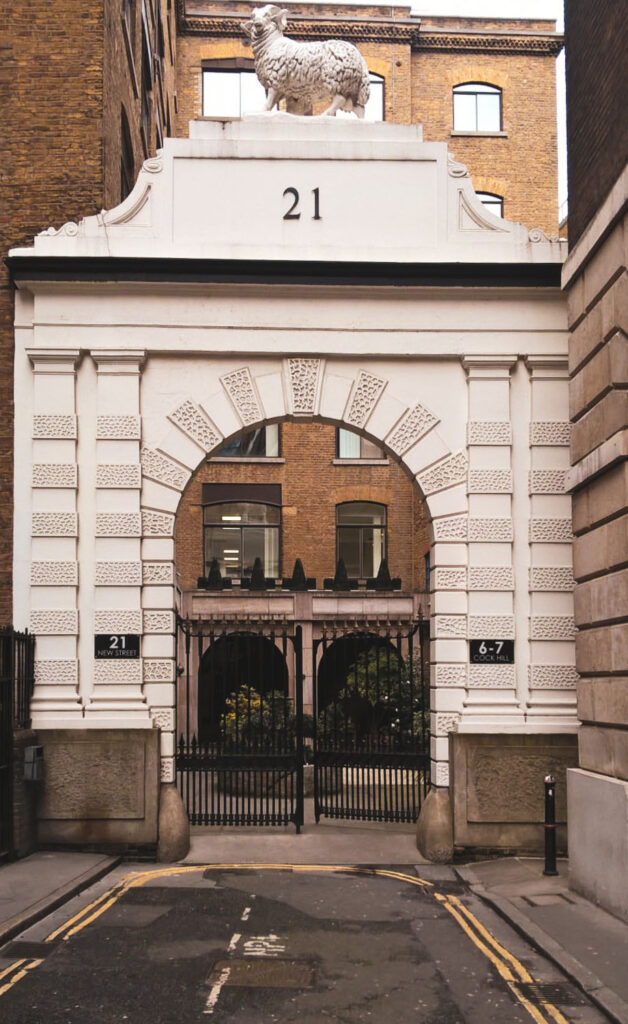
The former Hand Alley in Bishopsgate, visible on historic maps of London, ended in wasteland where a mass grave was dug for the victims of Allhallows, London Wall during the Great Plague. Around 2,000 bodies were interred in the passage adjoining the street, and the resting place likely lies beneath the corner of what is today Cock Hill.
20. Pitfield Street, Hoxton
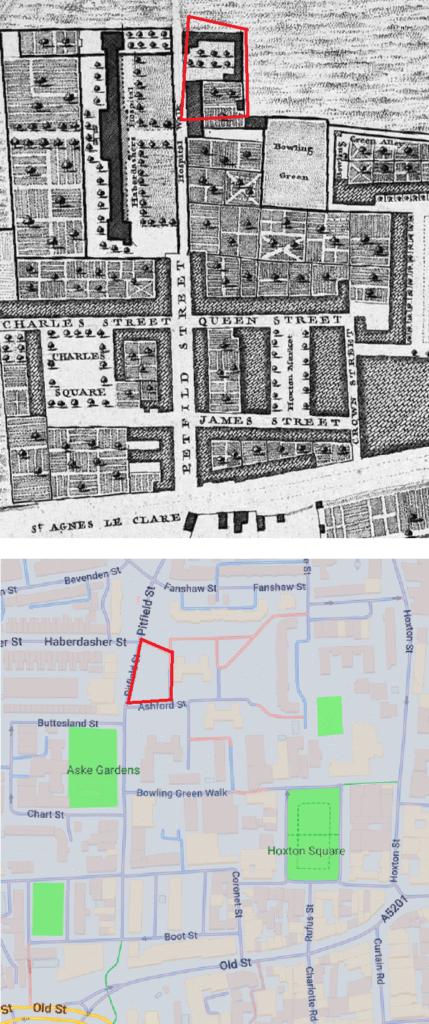
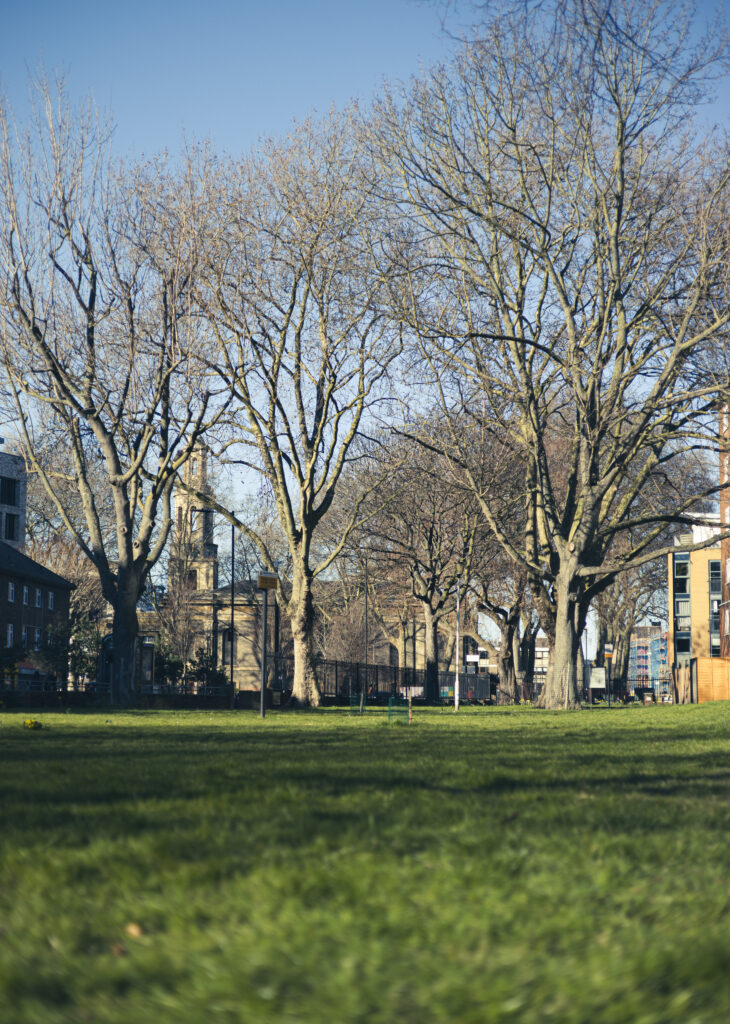
As its very name hints, this site bears the weight of a 1665 mass grave, confirmed by the local authorities of Hackney. Today, the location is fenced and clearly marked, a grim reminder to passers-by not to disturb the soil that hides London’s plague-stricken dead.
The Urban Myth of Piccadilly Line
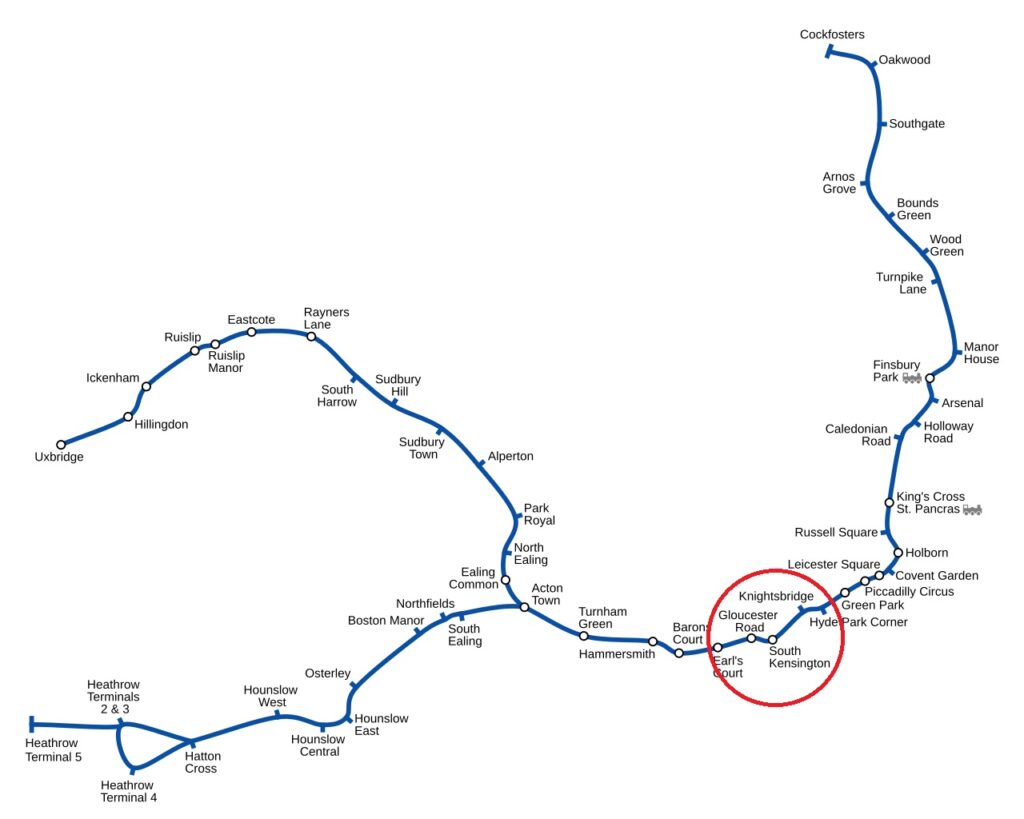
Apart from many confirmed real plague pits mapped around London, there are dozens of others that belong more to modern myth than to recorded history. There is a persisting urban story that a dense, enormous plague pit lies beneath Knightsbridge Green – once the site of a leper colony and pest house – which forced the Piccadilly Line to swerve sharply and noisily between South Kensington and Knightsbridge stations. The story, popularised by Catharine Arnold in her book Necropolis: London and Its Dead, is likely more legend than fact, as the author later admitted its anecdotal nature.
While the Piccadilly Line account may belong to folklore, countless other mass graves may yet emerge from the city’s ceaseless building, a chilling reminder that London’s dead lie just below the streets the living walk each day.
Discover more from London Macabre
Subscribe to get the latest posts sent to your email.