
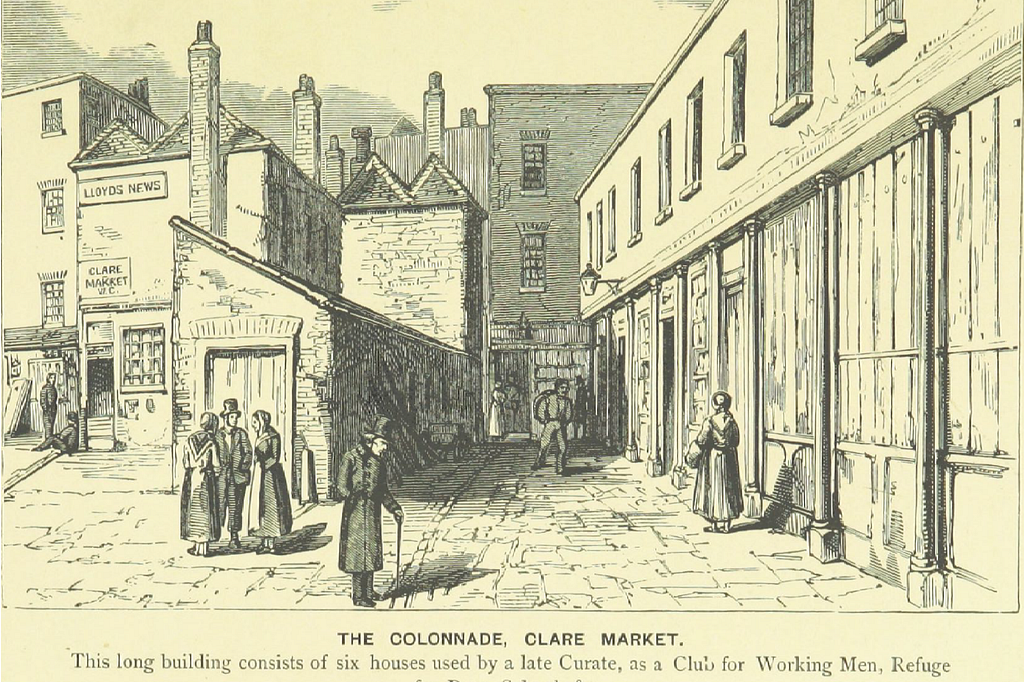
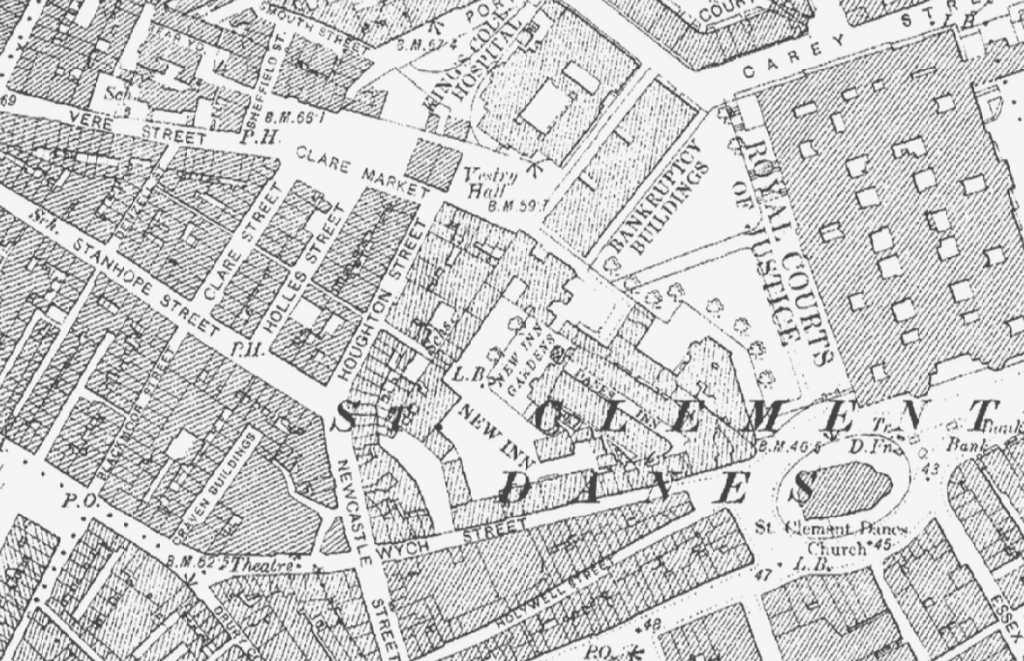
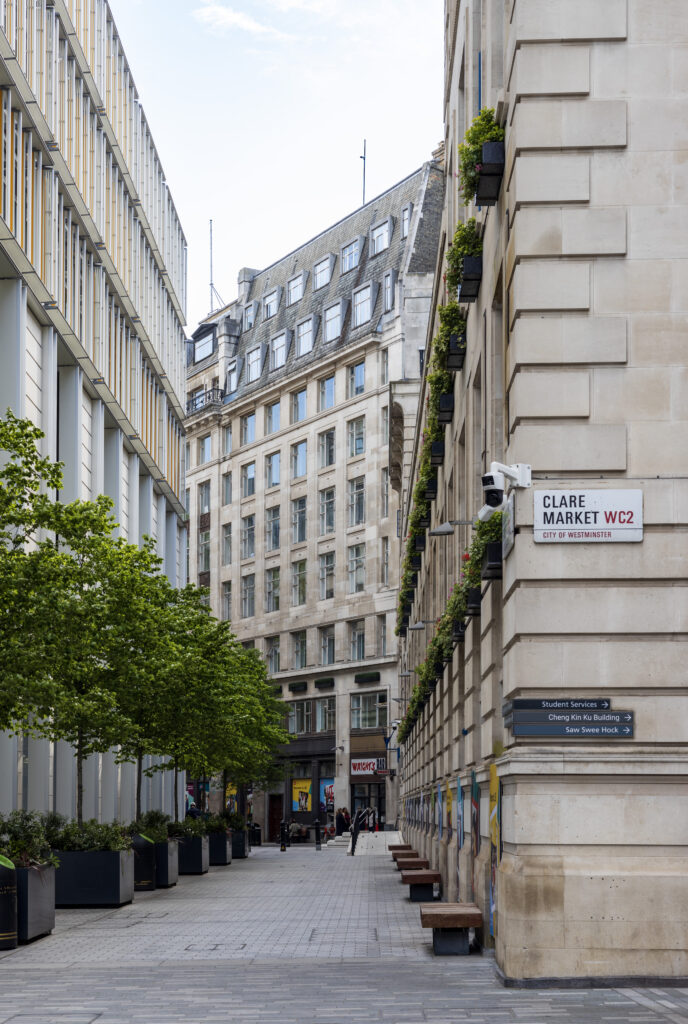
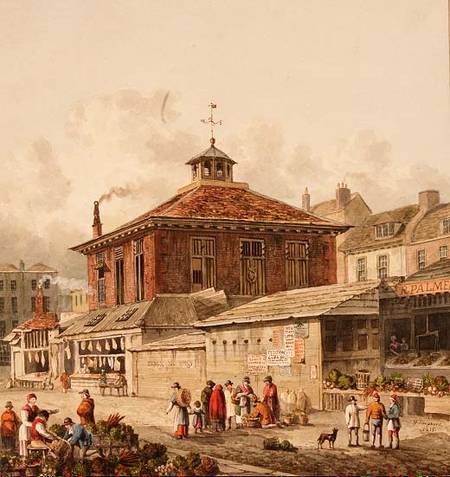
It was yet another ordinary day in London at the beginning of March 1848. On the border of the ever-busy Clare Market and Clement’s Inn Passage, a few men had been hired to stroll up and down the densely packed streets of the surrounding slum, each carrying a human skull. Their task was to lure intrigued pedestrians into the nearby Enon Chapel to witness a macabre Victorian horror show. Inside the small place of worship, reached through a narrow alley, visitors were confronted with piles of human bones, rotting coffin wood, and numerous cadavers in varying states of decomposition, their putrefied remains laid out for public view, including the bodies of children and infants.
A spectacle of the dead
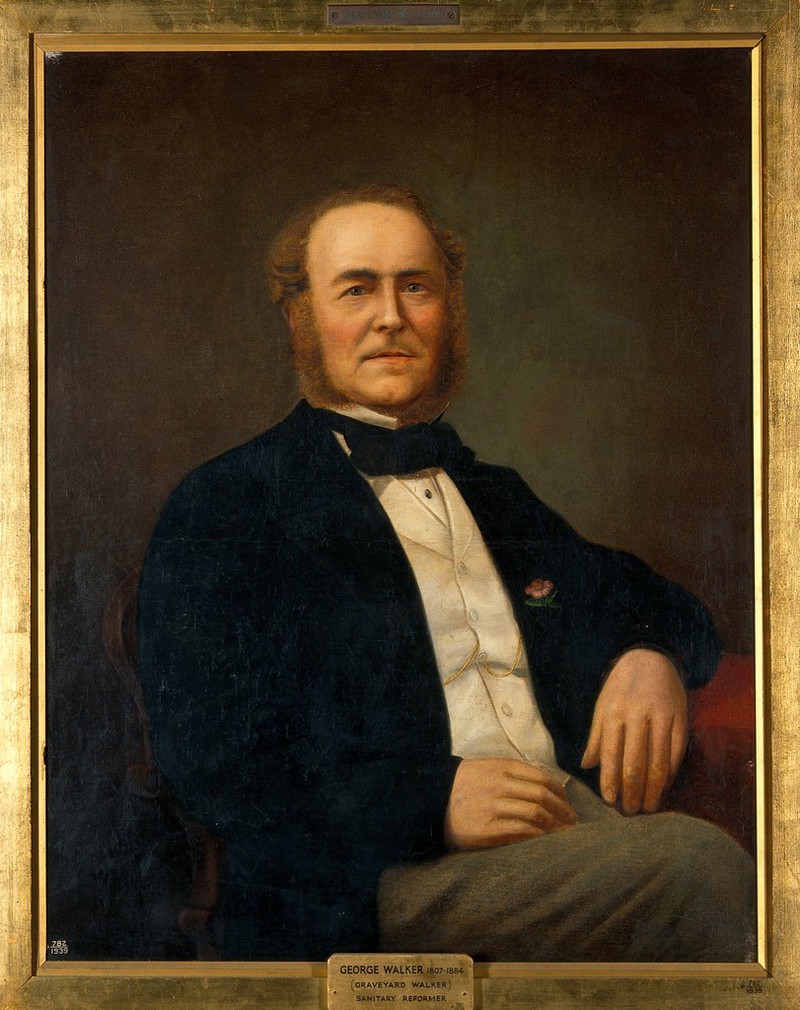
This shocking spectacle was orchestrated by George Alfred Walker, a local surgeon and staunch public health campaigner deeply invested in burial reform. Having taken possession of the damned chapel less than a month earlier, he set about exhuming an extraordinary number of human remains, reportedly amounting to as many as 12,000 bodies buried there over the course of two decades.
That spring, more than 6,000 visitors passed through the building, and in early March the grisly display reached the height of its popularity. Newspapers gave the event ample coverage, reporting on the unsightly nature of the exhibition and providing haunting details of “children’s legs shrunken by terrible deformities, while the little socks into which they were placed for the last time, probably by tender hands, are only discoloured,” as described by The Era on 5 March 1848.
The cost of death
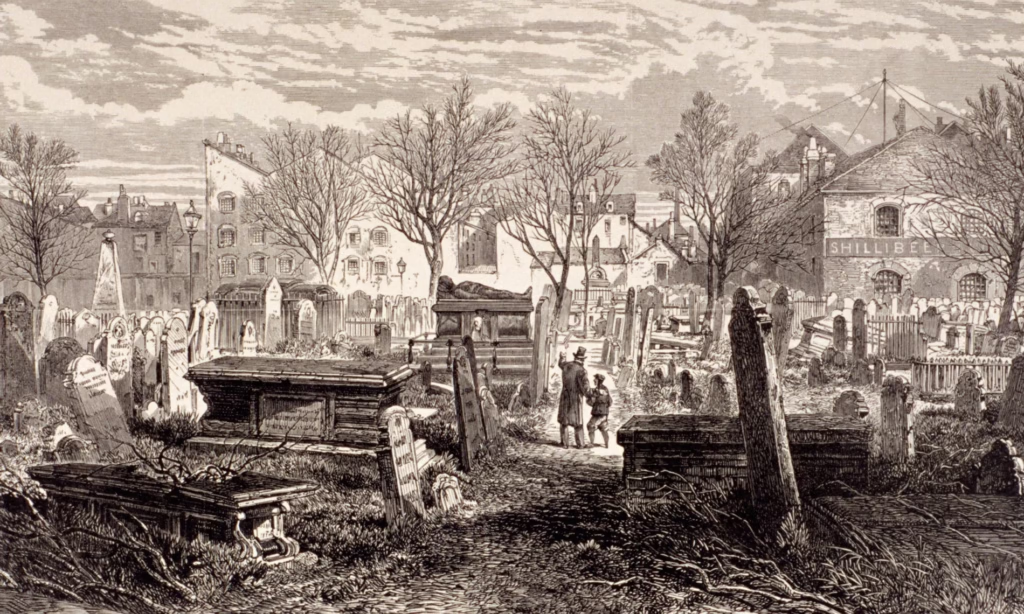
Enon Chapel’s story is not as unique as one might imagine. Conditions of interment in the Victorian capital prior to burial reform were far from tolerable. Traditionally, responsibility for burying the local population fell to the parish church, surrounded by a modest churchyard. These burial grounds were notorious for overflowing with fresh bodies even in periods when mortality rates remained stable.
Moreover, burial was an expensive affair in the life of any contemporary family. Victorians were deeply concerned with a proper send-off: high society indulged in elaborate mourning processions, black horses adorned with plumes, and fashionable Gothic gravestones, while the poor, en masse, joined funeral clubs that promised a respectable burial in exchange for a monthly instalment.
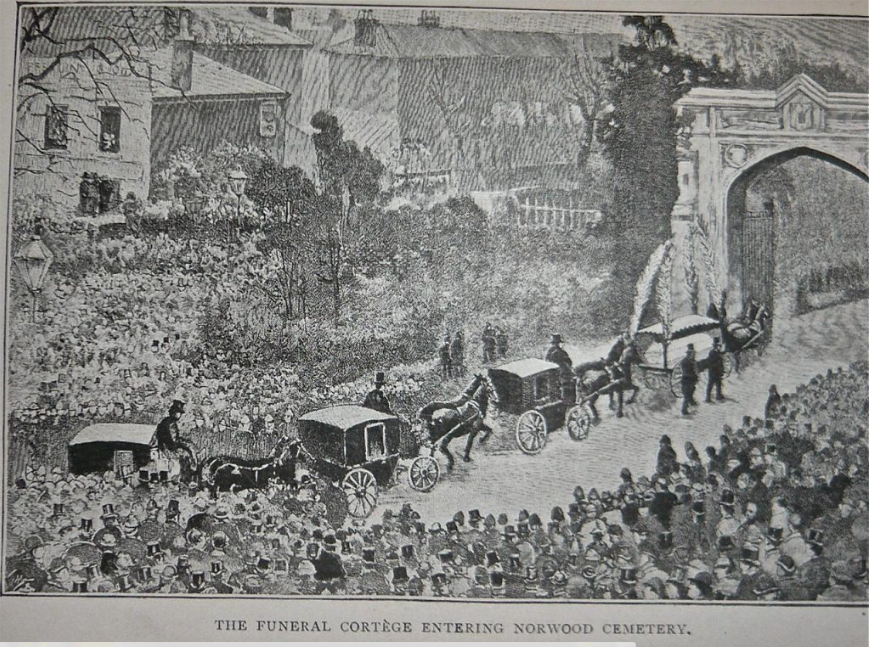
Of course, there were also those who could not afford even that. For any person without family, means, or savings for a coffin, the greatest fear was a pauper’s burial at the expense of the parish – interment in a mass grave alongside others, each either wrapped in a shroud or confined to a simple box, without ceremony and without a marker to record their resting place.
A trade in bodies
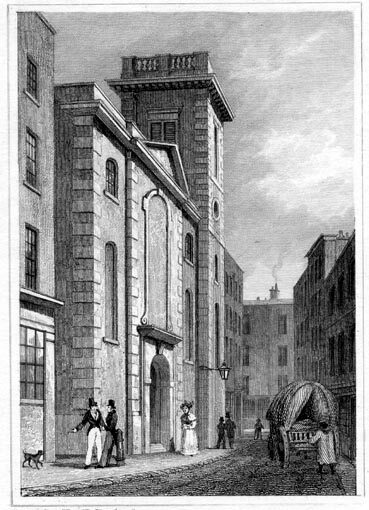
Enon Chapel opened as a Baptist place of worship in 1822 under Reverend Howse. Tucked among the narrow, winding streets of the crowded slum, it was, in essence, a for-profit enterprise: the upper floor served for prayer, while the basement functioned as a burial pit.
Howse was well aware that there was money to be made from death, and he ensured he took his share. While the neighbouring parish church of St Clement Danes charged £1, 17 shillings, and twopence per adult burial (roughly £200 in today’s money), the cunning reverend undercut them, offering the same service for a mere 15 shillings (around £80). The offer proved irresistible to the impoverished residents of Clare Market, who dreaded the alternative of a pauper’s grave.
As a result, Enon Chapel was an immediate success, reportedly interring up to ten bodies a day. For the period 1822–28 alone, Walker, Howse’s relentless critic, recorded that around £951 and 5 shillings had been paid to the reverend for burials – equivalent to something in the region of £100,000 today.
Beneath the boards
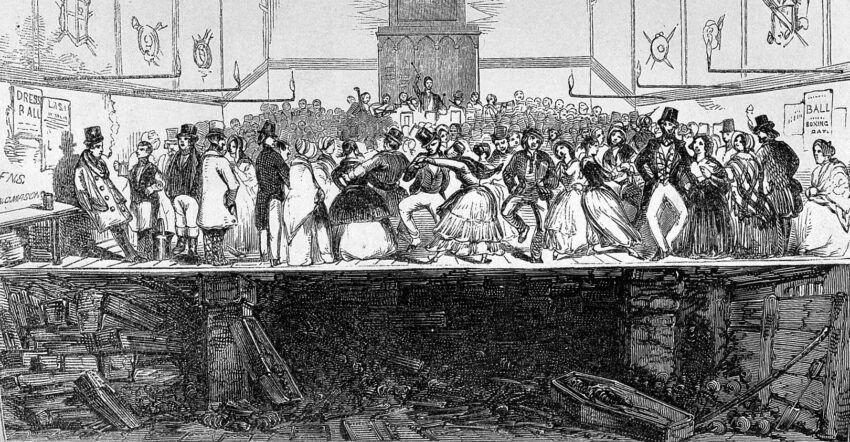
Such sums might suggest that the chambers beneath the chapel were extensive. In reality, the vault was alarmingly small, measuring just 59 by 29 feet (approximately 18 by 9 metres). Worse still, an enclosed sewer ran directly through its centre. The rafters supporting the floor above were left exposed, with no plaster or additional boarding to seal them. The only barrier between the worshippers above and the decomposing dead below was a layer of thin floorboards, riddled with gaps.
Pits were dug within the vault to accommodate as many bodies as possible, with the uppermost covered by mere centimetres of soil. It was widely believed that many coffins were broken up for firewood by Howse’s household to make space for further burials. It was also reported by Walker that bodies were treated with quicklime to hasten decomposition – sometimes reducing them completely within a year.
When the dead would not stay buried
There were, inevitably, signs that the vault had exceeded its limits. As coffins decayed or were removed, gases and noxious odours from the rotting flesh rose freely into the chapel above, reaching congregants during services and children during Sunday School. Reports speak of fainting, nausea, and prolonged sickness after attendance. Swarms of long black flies infested the building, particularly in summer, earning the grim nickname “body bugs” from local children.
As Enon Chapel’s reputation deteriorated, the congregation grew uneasy. Alarmed by the omnipresent fumes, the insects, and the dubious conduct of the reverend, many chose to worship elsewhere. Some residents abandoned Clare Market altogether, unable to endure the stench of the vault mingled with the familiar London odours of horse dung, human waste, and butchered offal from the market. The area was also described as heavily infested with rats, and having a sickly atmosphere with one account noting that “meat exposed (…), after a few hours, becomes putrid.”
“A cheap gothic horror story”
In 1839, George Walker’s Gatherings from Grave Yards described the vault as a grotesque Golgotha, remarking that the floorboards were so loose that “lids of coffins might be trodden upon at almost every step.” The London Medical Gazette, reviewing the book, condemned both the conditions and public indifference to urban sanitation, calling Enon Chapel a “true-to-life example of a cheap gothic horror story” and noting with outrage that children had been “actually taught in a room built over the mouldering remnants of humanity.”
Despite growing criticism, Howse’s trade in death did not falter. Though his congregation dwindled, burials continued unabated until his death in early 1842. His wife firmly denied allegations that the vault was overflowing, insisting instead that approximately 3,500 bodies had been interred in the chapel in total – far fewer than witnesses suggested. Meanwhile, Howse himself defended his practice, claiming he provided a valuable service to the poor by keeping bodies of their loved ones safely enclosed, beyond the reach of greedy grave robbers plundering open churchyards.
A human hand in the rubble
Reform, however, was fast approaching. In 1842, the Select Committee on the Improvement of the Health of Towns, led by William Mackinnon, launched an inquiry into inner-city burial practices. Among those interviewed was George Walker, who had visited the vault repeatedly. When committee members attempted to inspect the vault themselves in April, they were refused entry by the keeper, whose unwillingness to cooperate only deepened suspicions about what lay concealed below.
Further testimony proved even more shocking. A labourer named William Burn claimed he had been employed by the proprietor of Enon Chapel to remove “rubbish” from the vault following sewer works. On one occasion, as he was on his way to dispose of the refuse in the River Thames near Waterloo Bridge, he encountered road workers in Clement’s Lane. They asked him for a few baskets of debris as it was common practice in London at the time to use rubble to level the paving. When he handed over a basket, the men reportedly “picked up a human hand, and were looking at it.”
Dancing above the dead
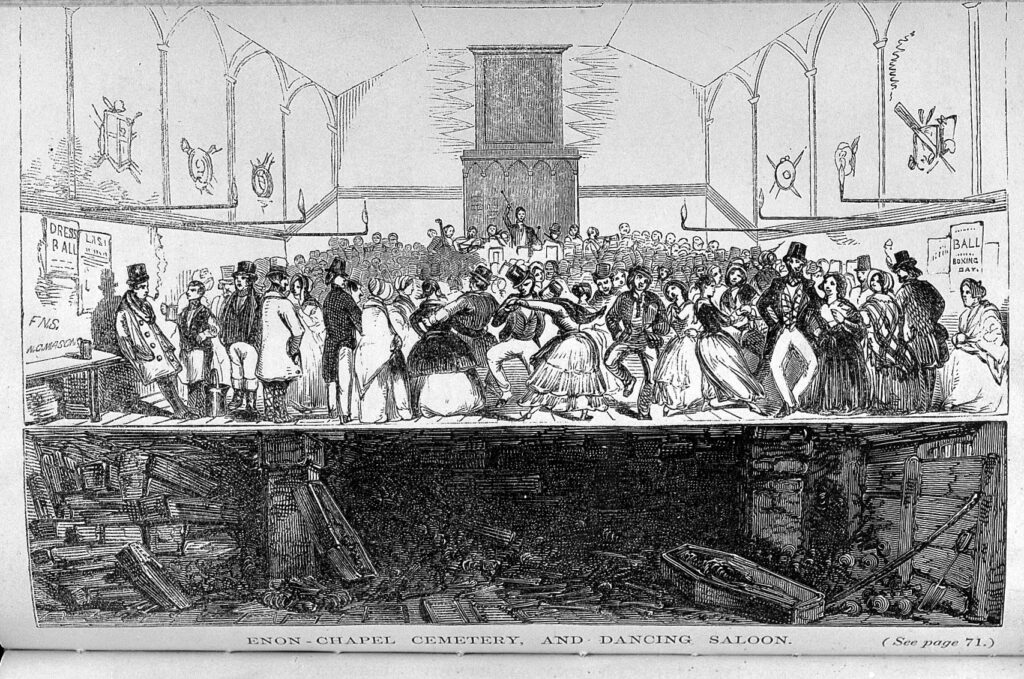
Following Howse’s death, the chapel ceased to function as a place of worship and burial. It was taken over by the Irish Temperance Society, hosting meetings – and, more disturbingly, dances – above a vault still packed with the rotting dead. Illustrations published in the Illustrated London News at the time depicted this “Dancing on the Dead” attraction, showing revellers moving across fragile floorboards suspended above decomposing bodies. Admission to the doubtfully pleasant experience cost threepence. The spectacle continued for six years.
From scandal to law
In February 1848, appalled by the state of affairs, Walker purchased the chapel at his own expense of £100 – roughly £10,000 today – intending to clear the vault and rebury the remains at West Norwood Cemetery. However, before transporting the four van-loads filled to the brim and interring them to a single massive pit in Norwood, he staged his grotesque, morbid exhibition, exposing the horrors of inner-city burial to the public. At the centre of the display, Walker placed the body of Reverend Howse himself, in a gesture of grim, almost theatrical irony – the former keeper of the vault reduced to its most telling exhibit, reportedly recognised by those who had known him by his deformed foot.
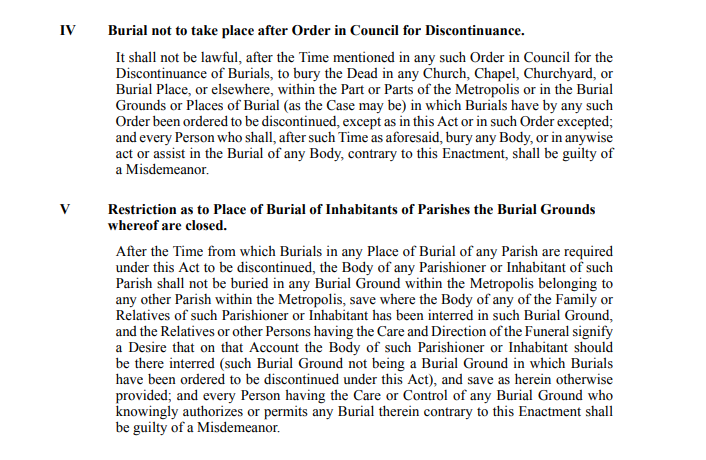
Walker’s methods were deliberate. After years of campaigning, he understood that public outrage could achieve what quiet argument could not. His efforts contributed to the passage of the Burial Act of 1852, which finally closed burial grounds within metropolitan London, including private vaults and parish churchyards, and led to the creation of the great suburban cemeteries known as the Magnificent Seven. The suspiciously high number of small, scattered green spaces in central London – so often mistaken for simple parks – owe something to the bleak legacy of London’s forgotten dead.
Erased from the map, not from the ground
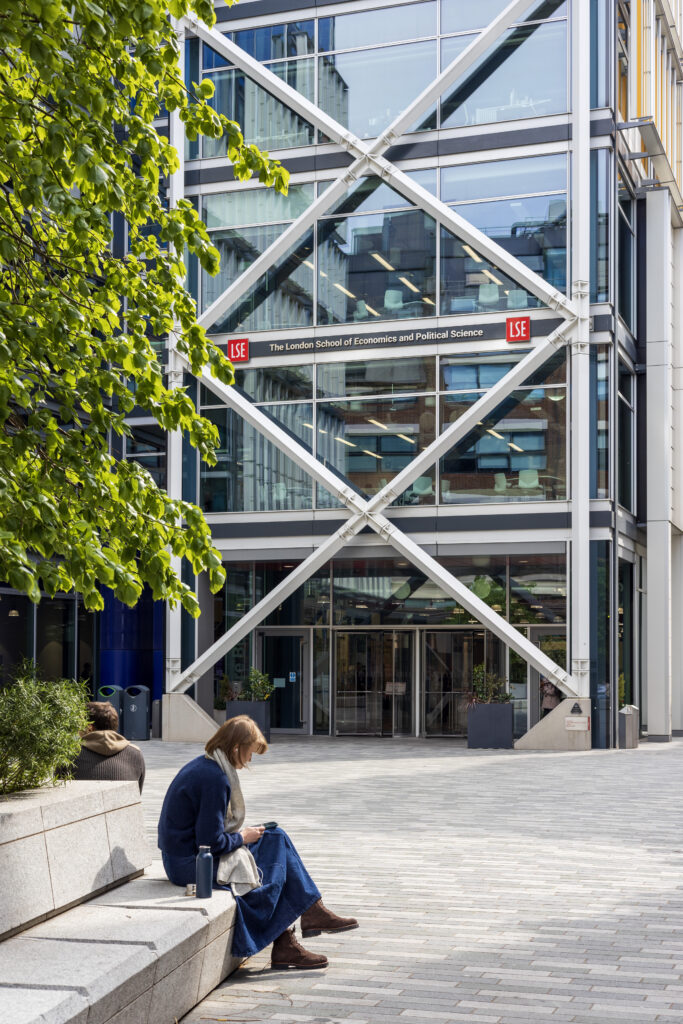
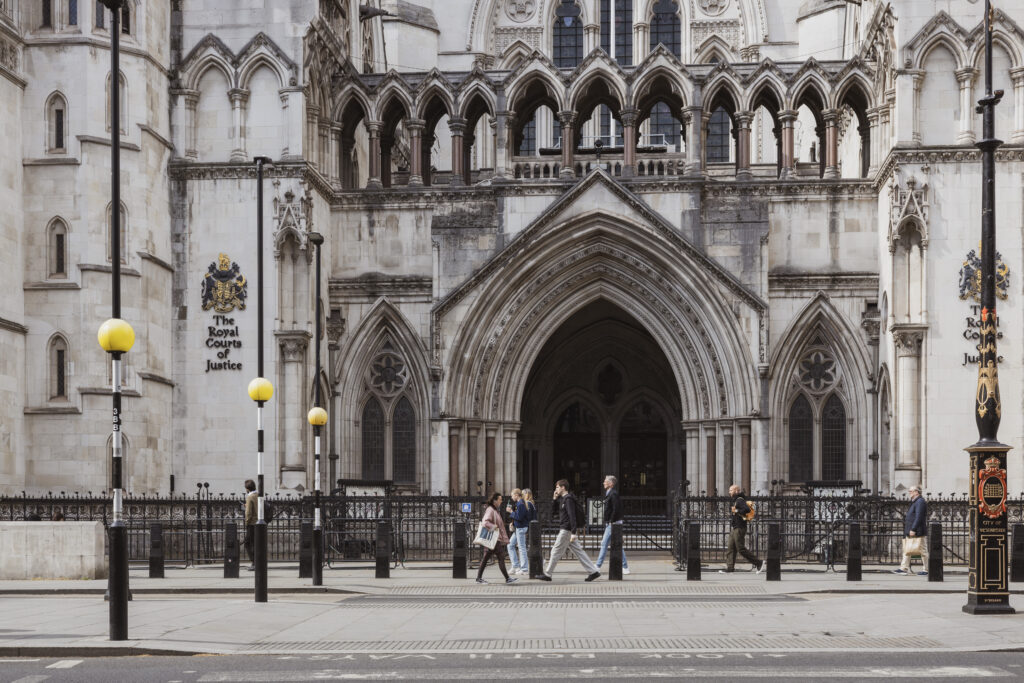
After the removal of most remains, the chapel was sold and briefly repurposed as a circus and then a dance hall, continuing the macabre “Dance on the Dead” attraction. In 1867, the site was demolished as part of wider slum clearance to make way for the Royal Courts of Justice, whose Gothic Revival façade still looms over the Strand. Enon Chapel, Clare Market, and some 400 surrounding buildings vanished from the map forever. Today, the site lies beneath the Centre Building of the London School of Economics, as noted on the institution’s own website.
Discover more from London Macabre
Subscribe to get the latest posts sent to your email.