
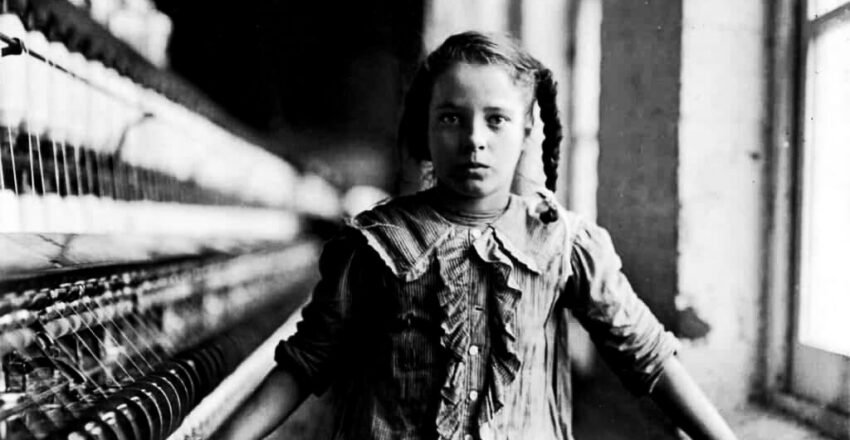
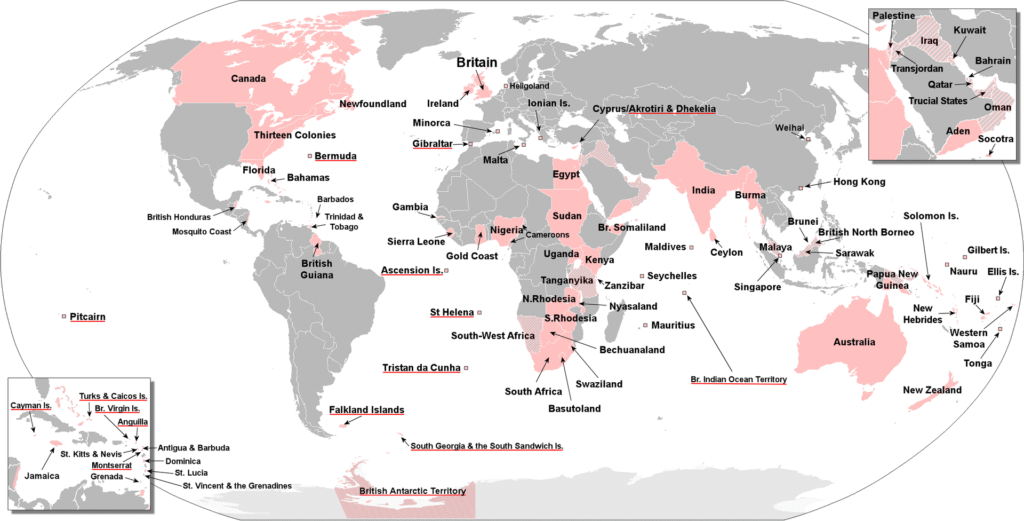
The Industrial Revolution, which began in the eighteenth century, reached its peak during the Victorian era, bringing immense wealth to the British Empire. Britain dominated not only the seas but also the world’s markets. Inventors and engineers developed ever cheaper methods of production, while new machines drove efficiency to unprecedented levels. The price of this prosperity was paid elsewhere.
The Industrial Dawn of Uneven Prosperity
As mechanisation spread across the country, traditional cottage industries that had sustained generations of craftsmen began to disappear. Hundreds of thousands of families lost their livelihoods and were forced to leave their homes in search of work in the growing industrial centres. Vast numbers of migrants poured into the cities, creating sprawling slums such as Whitechapel in East London.
With unemployment at crippling levels, factory owners could reduce wages to the bare minimum. For families living on the brink of destitution, the only defence against chronic hunger was to send their own children to work. Child labour was not a creation of the Industrial Revolution. Poor children had always worked. Industrialisation, however, transformed the nature of employment and expanded a previously marginal phenomenon into a defining feature of Victorian life.
The Workforce That Should Not Have Been
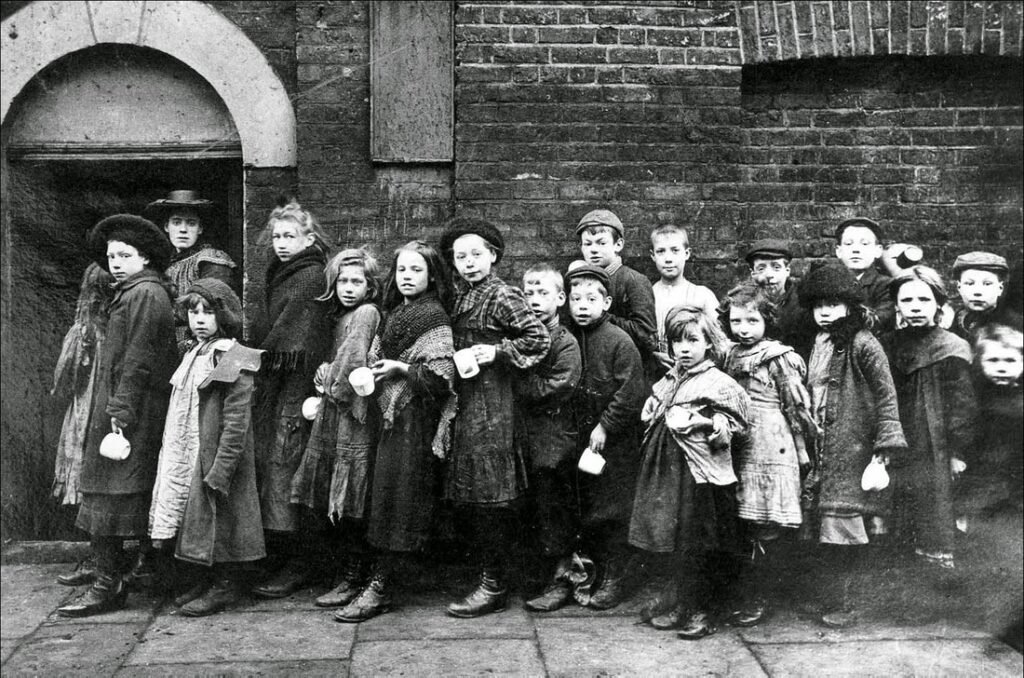
At the beginning of the Victorian era, the average child labourer in England was ten years old, although some children began working at just four years of age. Outside London, large numbers were employed in coal mines and cotton mills. In the capital, children earned their living primarily in the factories of the East End. Among London’s poorest girls, prostitution was also widespread. Wages were pitiful, typically amounting to only ten to twenty per cent of an adult man’s earnings. Working days lasted around twelve hours, and the tasks assigned to children were often monotonous, exhausting and dangerous.
While Britain’s political and social elite campaigned vigorously to abolish the slave trade overseas, impoverished children at home were routinely exploited, beaten and left hungry. The silk and cotton garments worn by the aristocracy, the glass jugs and steel cutlery displayed on dining tables, the coal burning in household fireplaces and the food served upon expensive plates all depended, to some degree, upon the labour of children. Much of Victorian prosperity rested upon shoulders barely old enough to carry it.
The Price of a Penny
Social reformers who attempted to draw attention to the worsening condition of the young faced fierce resistance from industrialists. Factory owners argued that any interference with existing labour practices could undermine Britain’s dominance in global manufacturing and threaten the Empire’s economic supremacy.
Parliamentary legislation intended to regulate child labour was often weak and rarely enforced. In 1833, for example, employment of children under the age of nine was prohibited, but only within the textile industry. Compliance with the new law throughout the entire country was entrusted to a government inspectorate consisting of just four officials.
Lessons Paid in Hunger
In 1840s, only twenty per cent of London’s children received any form of education. A small proportion attended ragged schools, charitable institutions established to provide free education in the poorest districts of the city. These schools survived on donations, and most of their teachers worked as volunteers.
Lessons focused on practical skills such as reading, writing and arithmetic. Pupils were also given a hot meal and, in cases of homelessness, temporary accommodation. For many impoverished families, however, sending a child to a ragged school on a day off work was motivated less by a desire for education than by the opportunity to save money on food.
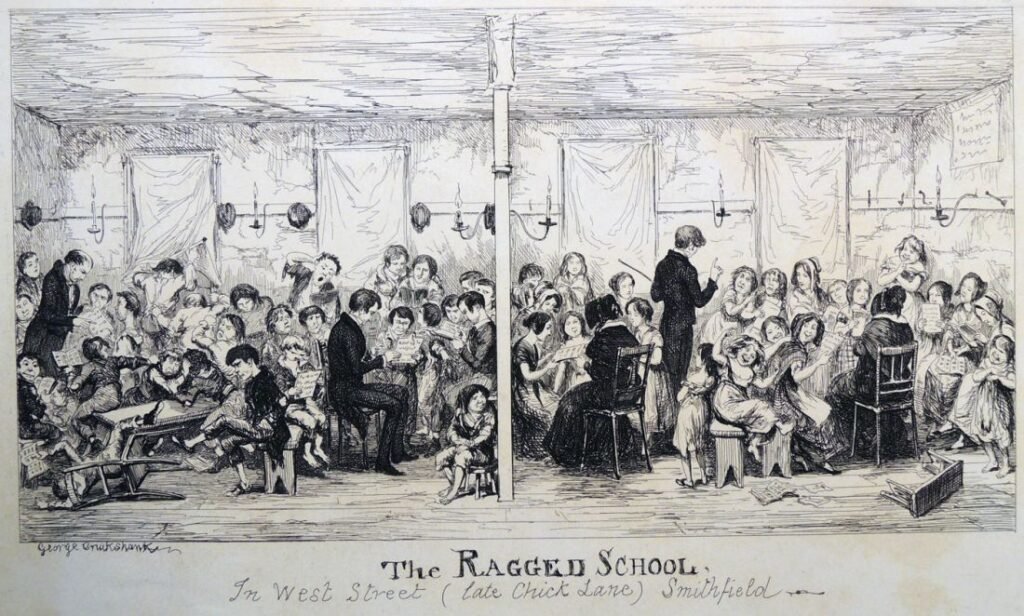
Among working-class households, formal education was often regarded as a luxury. Learning a trade and contributing to the family income were considered far more important than classroom instruction.
By 1860, only half of all children between the ages of five and fifteen attended any form of schooling, usually no more than once a week. The remainder, unable to afford even the luxury of a free Sunday, were occupied by full-time work. Compulsory education for all children up to the age of ten was not introduced until 1880. A further reform in 1899 raised the school leaving age to twelve.

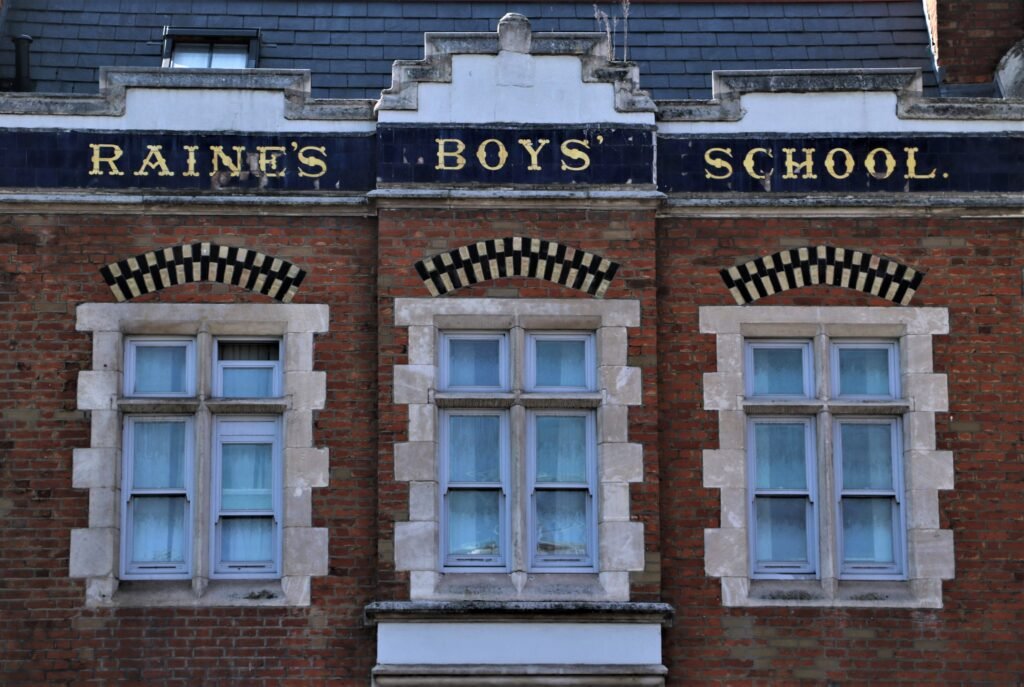
The Apprenticeship System
Across Britain, numerous orphanages and charitable institutions offered abandoned and orphaned children food and shelter in exchange for labour. Such establishments also received children from desperately poor families who simply could not afford to feed another mouth. In theory, the apprenticeship system offered children from the lowest social classes an opportunity to learn a trade and secure stable employment in adulthood. In practice, it often amounted to little more than a disguised form of slavery.
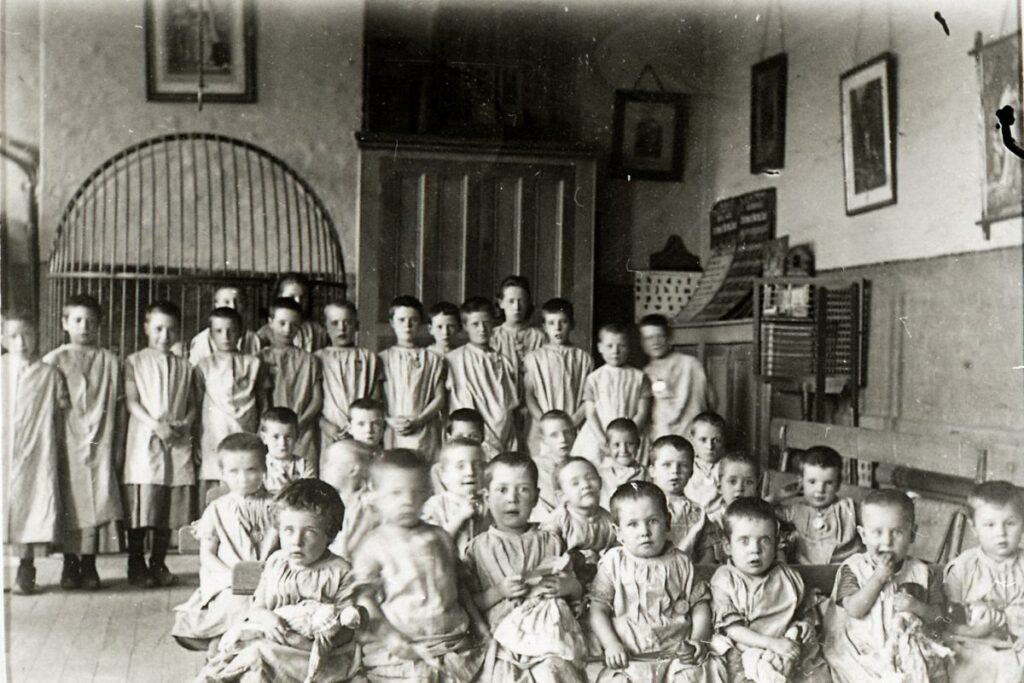
Children from orphanages were routinely sent into some of the most dangerous occupations available. Many worked in textile mills, brickworks, glass foundries or as assistants to chimney sweeps. They received no wages, labouring instead for food, accommodation and the promise of eventual freedom upon reaching adulthood. Those who attempted to escape were usually captured and returned either to their original placement or to another institution. It was also legal to remove young vagrants from the streets and force them into the same system of labour.
A fortunate minority secured apprenticeships in the building trades, which could provide stable employment and relatively respectable earnings later in life. Others obtained positions in domestic service. In London alone, household service employed more than 120,000 people and represented one of the few avenues through which a poor child might escape the harshest forms of industrial labour.
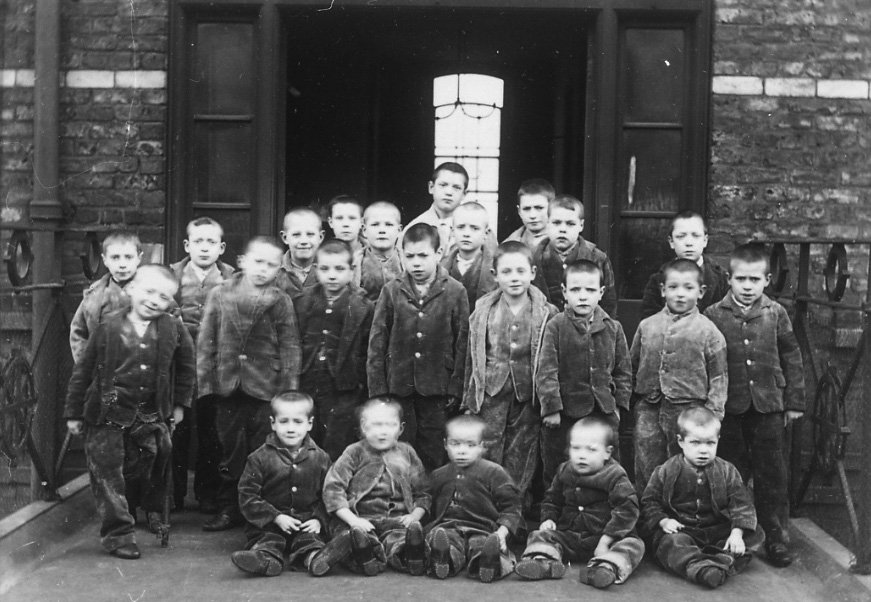
Living on Borrowed Air
Meanwhile, in the slums of East London, working-class families numbering as many as thirty people often crowded into a single room or a damp cellar. Most children were chronically undernourished and highly vulnerable to disease. During the 1830s, life expectancy in parts of the East End stood at just twenty-nine years.
Under such circumstances, few parents could afford the luxury of allowing their children to remain idle or attend school. A handful of extra pennies brought home at the end of the day might mean a small loaf of bread or enough coal to keep a fire burning. More often than not, it represented the difference between survival and starvation.
Growing Up on Pavements
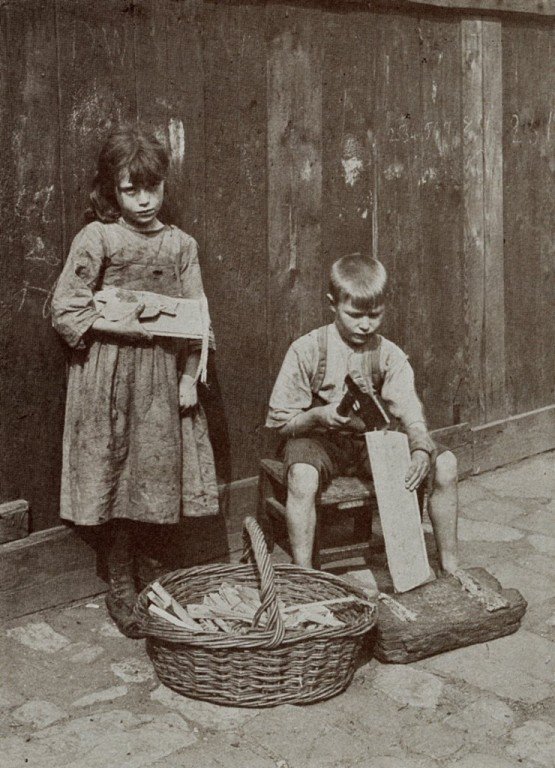
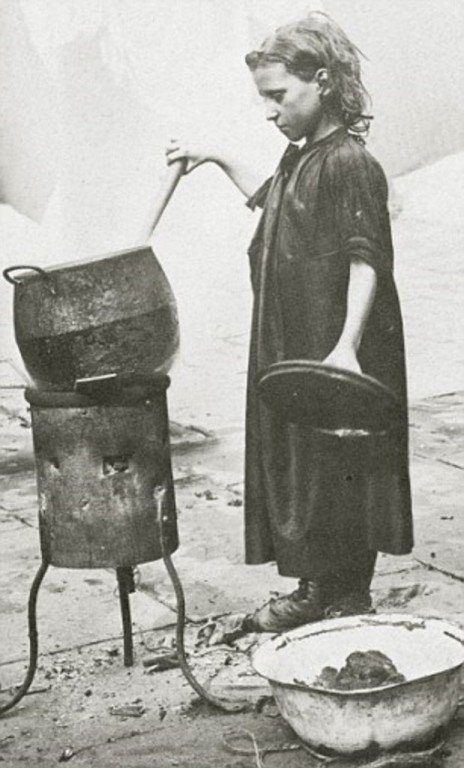
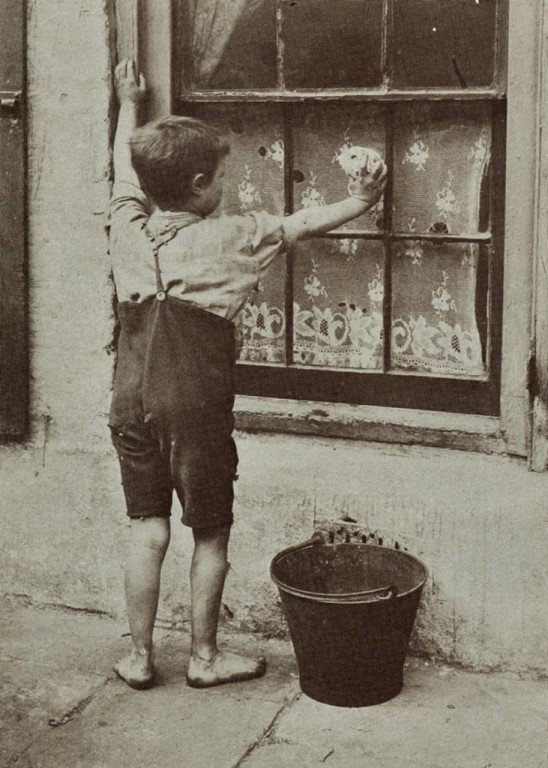
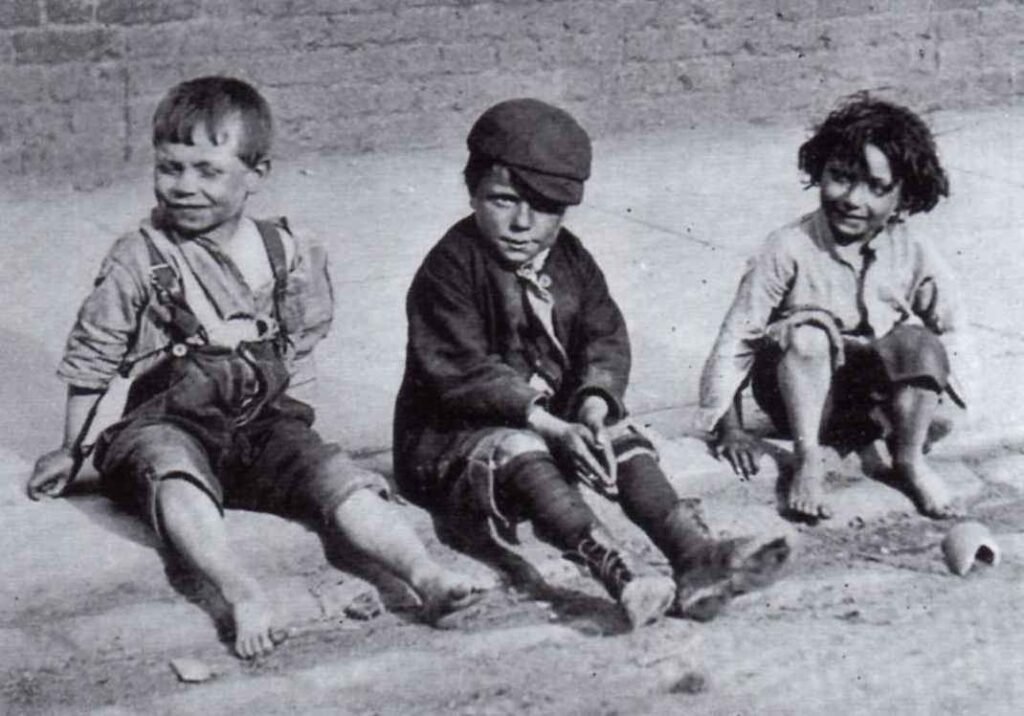
Hundreds of children from similar households worked on the streets of Victorian Whitechapel. From an early age, girls delivered milk or sold matches, firewood, buttons, flowers and shoelaces. Boys polished boots, sold newspapers, ran errands and swept crossings in wealthier districts in the hope of receiving a few coins from passing pedestrians.
Another common feature of East London life was the presence of gangs of homeless children who survived through theft and deception. Bands of youngsters stole coal from barges moored along the Thames, pilfered tow ropes and tools belonging to dock workers, scavenged food from market stalls and practised pickpocketing wherever an opportunity presented itself. For many of them, crime was not a career choice but simply another means of avoiding starvation.
The Street Traders
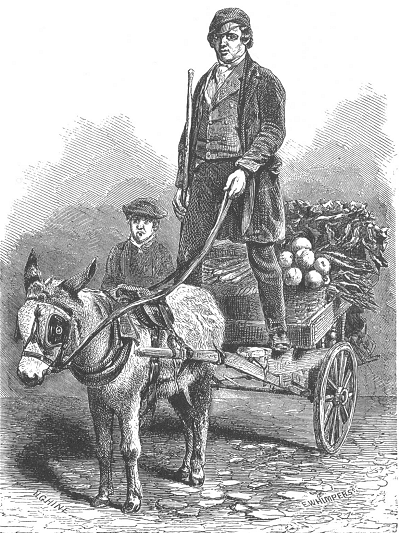
By the 1860s, more than 30,000 street traders operated in the capital. These itinerant retailers bridged the gap between London’s wholesale markets – such as Smithfield for meat, Spitalfields for fruit and vegetables, and Billingsgate for fish – and the working population who did their shopping after finishing work.
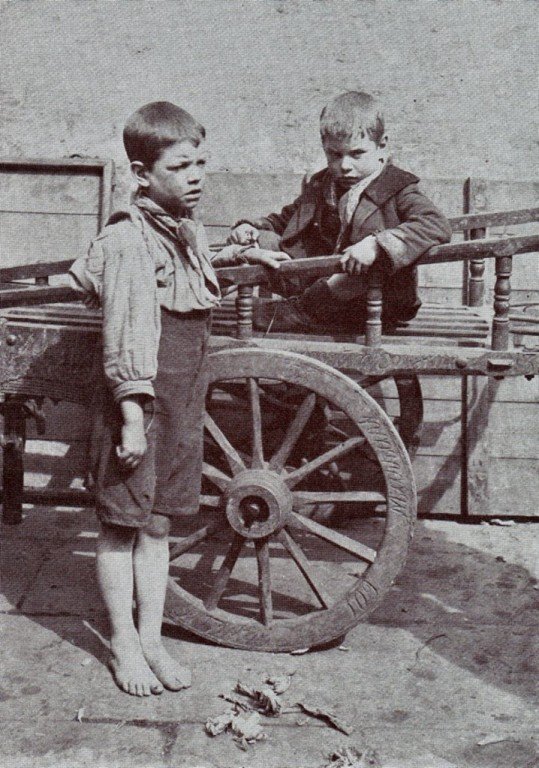
Street vendors sold their goods from barrows and handcarts, often covering routes of up to ten miles each day. Almost every trader employed a young assistant, usually between ten and sixteen years of age. These apprentices spent much of their day loudly advertising the prices and quality of the goods on sale. The more enterprising among them invented rhymes, chants and songs designed to attract customers. Most worked in exchange for a daily wage of two or three pence, together with food and a bed in the trader’s home.
Born Into Trade
Those fortunate enough to be born into trading families often began even earlier. Merchants routinely took their sons onto the streets before they reached the age of seven. Accompanying their fathers to markets across London, boys quickly learned the realities of buying, selling and bargaining, along with the colourful jargon of the trade.
During summer they rose at four o’clock in the morning; in winter, two hours later. After visiting the markets and purchasing the day’s stock, they washed fruit and vegetables and arranged them neatly upon the cart. If the trader enjoyed a loyal customer base, most of the goods would be sold by midday. Afterwards, boys and girls alike were supplied with oranges or nuts and dispatched to the vicinity of theatres, where they continued trading until late in the evening.
At the end of the day, fathers often took their sons to the public house and shared their daily ration of beer with them. In the streets of East London, the sight of a five-year-old child drinking from his parent’s mug attracted little attention.
The Flower Trade
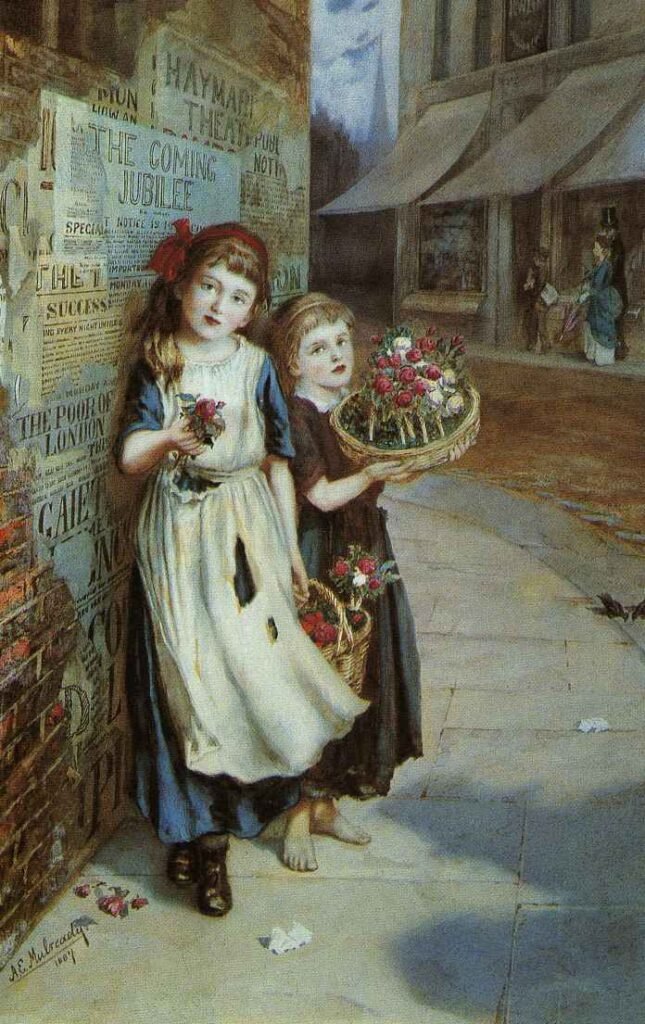
Flower girls generally began working independently at around seven years of age. Their parents would provide them with a shallow wicker basket and enough money to purchase their first stock. Most sold violets, lilies and roses, while oranges and apples supplemented their trade during the fruit season.
Six days a week they rose at four in the morning and made their way to market to purchase flowers at wholesale prices. They then arranged them into bouquets and set out onto London’s streets, usually trading until around ten o’clock. A small number returned home for breakfast, but most were expected to fend for themselves. Bread and butter accompanied by black coffee often constituted their only meal of the day. After breakfast, they returned to work and remained on the streets until ten at night. Every penny they earned was handed over to their parents.
Selling Everything Else
London’s flower girls broadly fell into two groups. There were older girls who used flower selling as a convenient pretext for soliciting customers, and younger children who relied solely upon legitimate trade. The boundary between the two proved dangerously fragile. Once girls discovered a quicker and easier means of earning money, many drifted into prostitution at an increasingly young age. Parents receiving unexpectedly generous sums from their daughters likely understood the source of the additional income. Yet many households were too dependent upon those earnings to ask questions they did not wish answered.
Marriage Without Childhood
Both flower girls and the young assistants employed by street traders often established businesses of their own at a remarkably early age, largely because they wanted control over the money they earned. Leaving the parental home and already familiar with the harsh realities of East London life, many formed relationships while still in their teens and worked together to support themselves. Such arrangements were generally regarded within the community as marriages in all but name. Formal church weddings, which required payment, were rare among the working classes and widely viewed as an unnecessary expense.
Children of the River
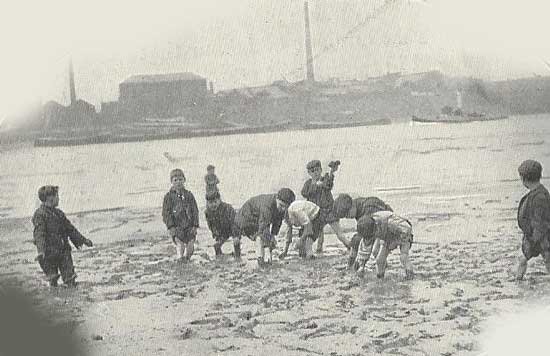
Another distinct group of working children were the mudlarks, youngsters who searched the mud along the banks of the Thames for anything that could be sold. Most were boys between eight and fifteen years of age. They worked during low tide, often standing knee-deep in thick river sludge. Their equipment usually consisted of little more than a bucket or small basket in which they carried their bounty. The most common finds were fragments of coal and bone, which could be sold as cheap fuel to other impoverished Londoners. Pieces of rope, lost tools and scraps of timber also fetched a modest price.
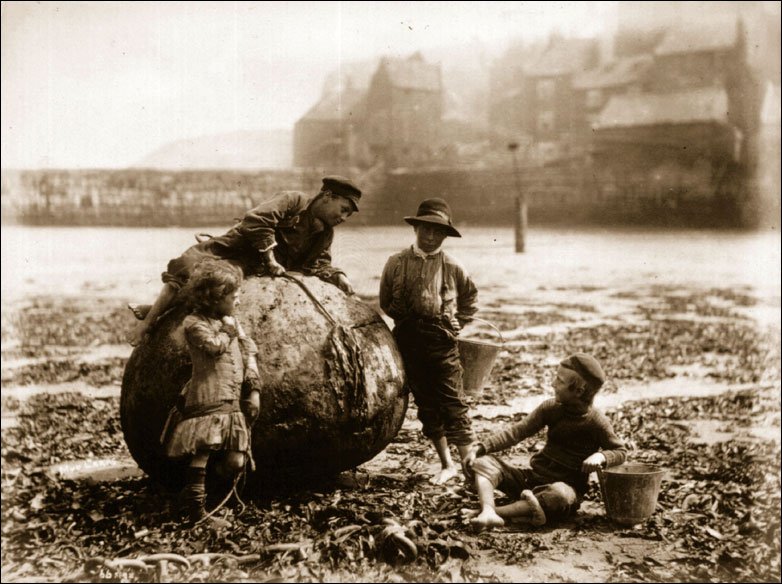
Most mudlarks operated around London’s docks, where the broad riverbanks provided the best opportunities for scavenging. During winter, children frequently gathered near factories that discharged streams of warm water. For many, this was the only reliable way to warm their bare and frostbitten feet.
The work was unpleasant, exhausting and frequently dangerous. Broken glass and rusted nails concealed beneath the mud caused deep cuts that often developed into serious infections. Human waste, refuse from slaughterhouses and countless other forms of filth accumulated along the riverbanks in thick layers of foul-smelling sludge. Floating carcasses of dogs and cats were a common sight. So too were human bodies.
The Work of Getting Stuck
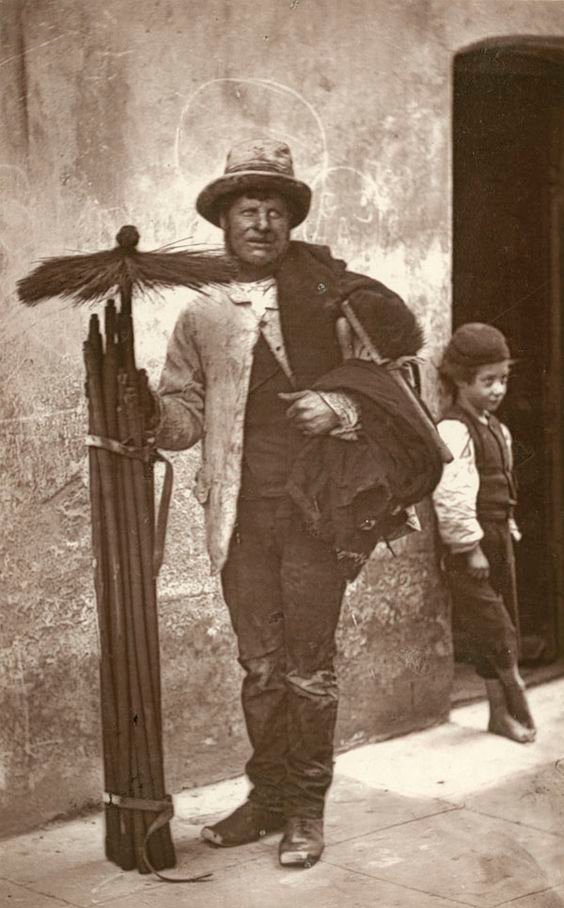
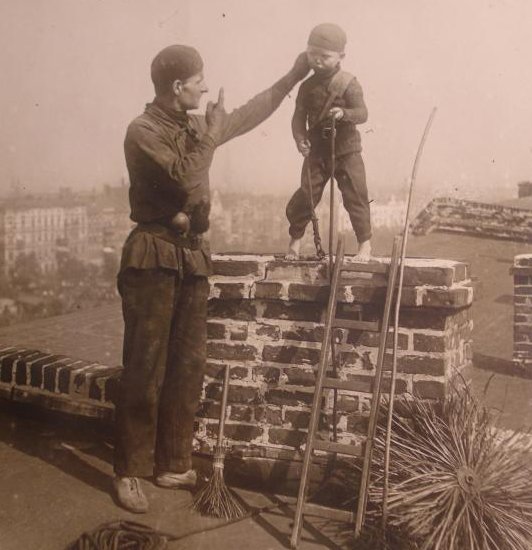
Among the occupations that inspired the greatest fear among London’s boys was work as chimney sweeps’ assistants. Small children were able to squeeze into the narrow flues of wealthy households, cleaning away soot far more effectively than any brush could manage.
Most chimney sweeps recruited their assistants from the orphanages and workhouses described earlier, which placed children into service in order to reduce the cost of maintaining the institution. Boys as young as 4 years old were selected for their size above all else. The smallest and thinnest were preferred, as some chimney shafts measured barely 45 centimetres in width.
The Sweeping Cost
In some cases, apprentices were deliberately starved to prevent growth, ensuring they remained small enough to continue working inside chimneys for as long as possible. Another common practice involved forcing boys to scrub their elbows and knees raw each day in order to harden the skin, making it easier to climb the rough brick interiors of flues.
If a child became stuck inside a chimney, the problem was sometimes solved by lighting a fire in the hearth below. Heat and smoke would force the terrified child upwards. Some managed to escape. Others suffocated inside the narrow shafts.
Chimney sweeping carried a heavy toll on health. Constant inhalation of soot caused permanent damage to the respiratory system and, in many cases, lung cancer. Years spent climbing inside confined spaces also resulted in severe deformities of the spine and limbs. Untreated conjunctivitis often led to complete blindness before adulthood. A particularly common occupational disease among chimney sweeps was cancer of the scrotum, which typically appeared in early adolescence and frequently caused death before the age of twenty.
Machinery and Flesh
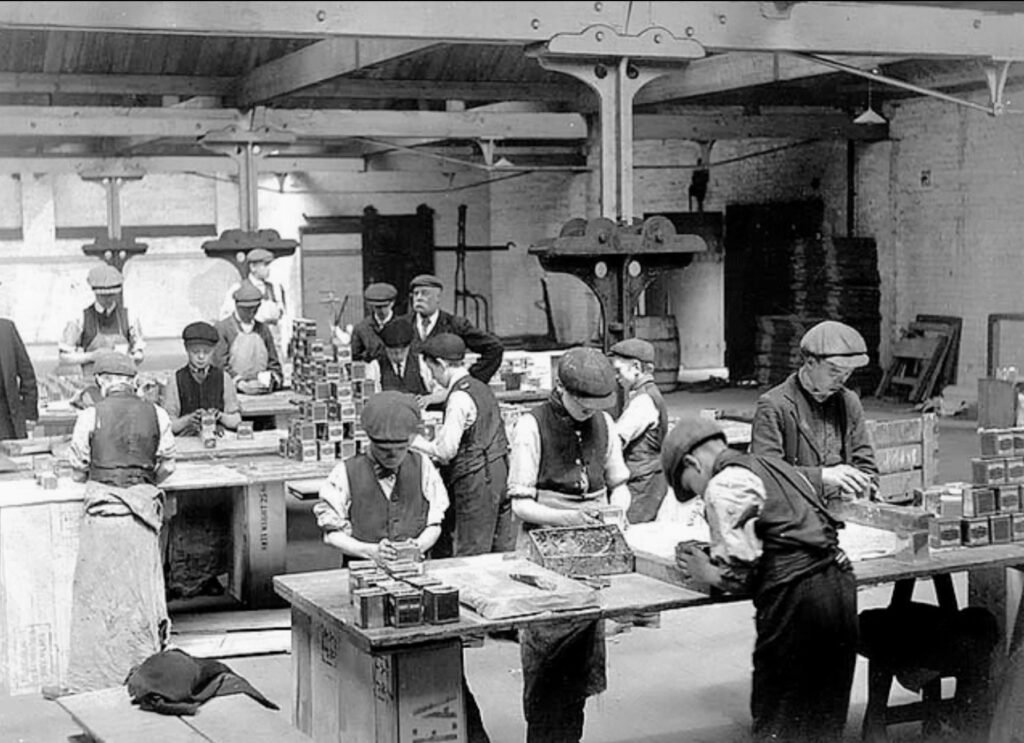
Meanwhile, children employed in East End factories began their shifts at six in the morning and remained at their stations for twelve hours without pause. Conversation, sitting on the floor, or looking out of windows were all prohibited and punished.
In textile mills, one of the most common tasks assigned to children was clearing fragments of cloth and dust from machinery that might otherwise halt production. To do this, they crawled beneath running machines, removing debris by hand while the mechanisms continued to operate above them.
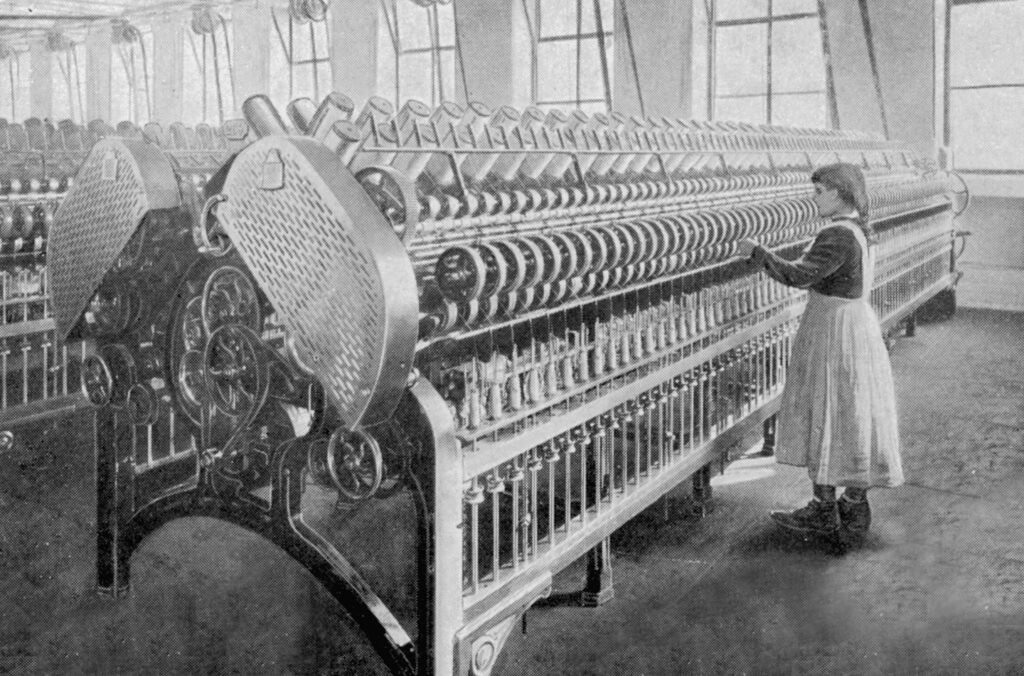
The work was particularly dangerous. The most frequent injuries involved the loss of fingers, and in some cases entire limbs caught in the machinery. Fatal accidents also occurred, with children killed instantly when their heads were pulled into the moving parts. Due to gaps in the law, injured child workers were simply dismissed without compensation.
Children also worked on industrial spinning frames, where their task was to locate and repair broken threads. Performed standing for long hours, this work often led to deformities of the legs and pelvis. By the mid-nineteenth century, the average age of a textile mill assistant in London was just eight years old.
The Dangers of Progress
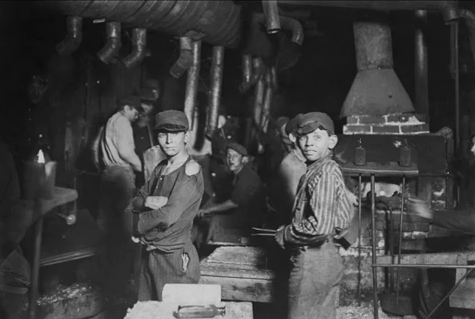
In other factories across the capital, children were employed in equally hazardous conditions. In match production, they dipped individual sticks into toxic phosphorus, a substance that caused tooth decay and severe respiratory damage. Those who remained in such work for prolonged periods developed a particularly painful and often fatal condition known as phossy jaw.
The fumes eroded the bones of the jaw, eventually creating openings in the face through which pus continually seeped. In advanced cases, the infection spread further, leading to brain damage and death from organ failure.
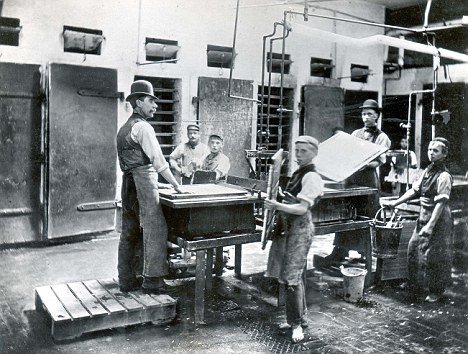
In glassworks, children were exposed to repeated burns and progressive blindness. In brickfields, the constant exposure to burning clay produced chronic headaches, vomiting and fainting.
Supervisors in industrial workplaces frequently relied on intimidation to maintain discipline and productivity. In one recorded case, a boy employed in a London nail factory was punished for producing defective goods by having his ear nailed to a steel workbench with a hammer.
Too Little, Too Late
It is worth noting that the Royal Society for the Prevention of Cruelty to Animals was founded in Britain in 1824. A similar organisation for the protection of children was not established until sixty-seven years later, in 1891.
By the time any meaningful reform arrived, entire generations had already passed through this system as if it were the only natural order of things. What changed was not the world they lived in, but the fact that it eventually became harder to pretend not to see it.
Discover more from London Macabre
Subscribe to get the latest posts sent to your email.