
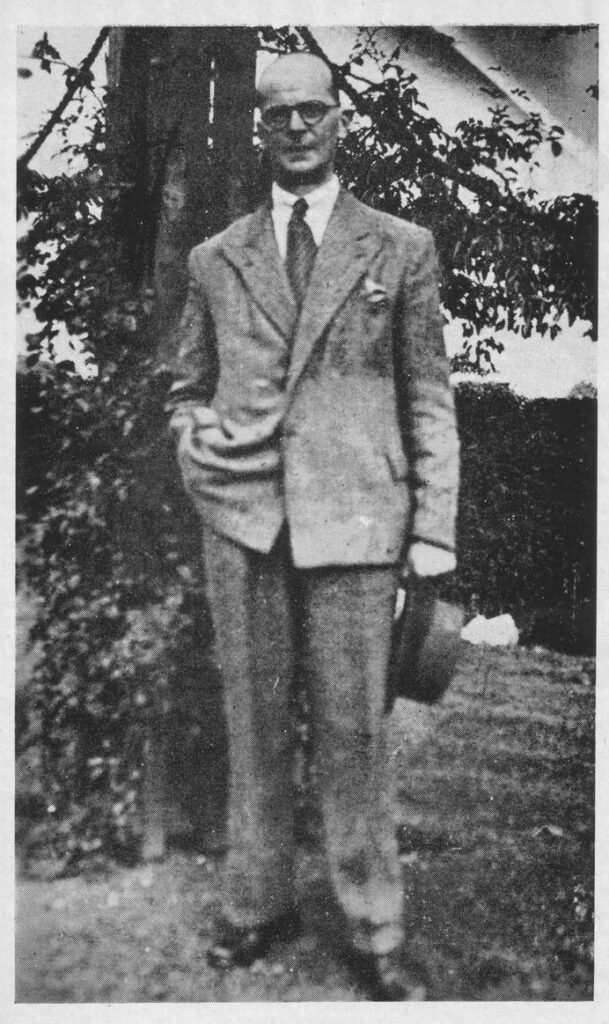
John Christie was born in Yorkshire in 1898, the sixth of seven children. He grew up in a household dominated by an abusive father and an overprotective mother and sisters. Withdrawn and disliked at school, he developed into a hypochondriac with sexual dysfunction and a deep-seated hatred of women.
At fifteen, he left school and enlisted in the army in 1916. Two years later, he was wounded on the front lines during a mustard gas attack. His personality disorder drove him to exaggerate the severity of his injuries in order to gain attention and sympathy. For more than three years, Christie spoke in a barely audible whisper, claiming to suffer from hysterical vocal damage. He also insisted that the gas had blinded him for several years, although a military commission later declared him fit for further service. His increasing impotence caused him, at nineteen, to restrict his intimate encounters exclusively to prostitutes.
Marriage to Ethel Simpson
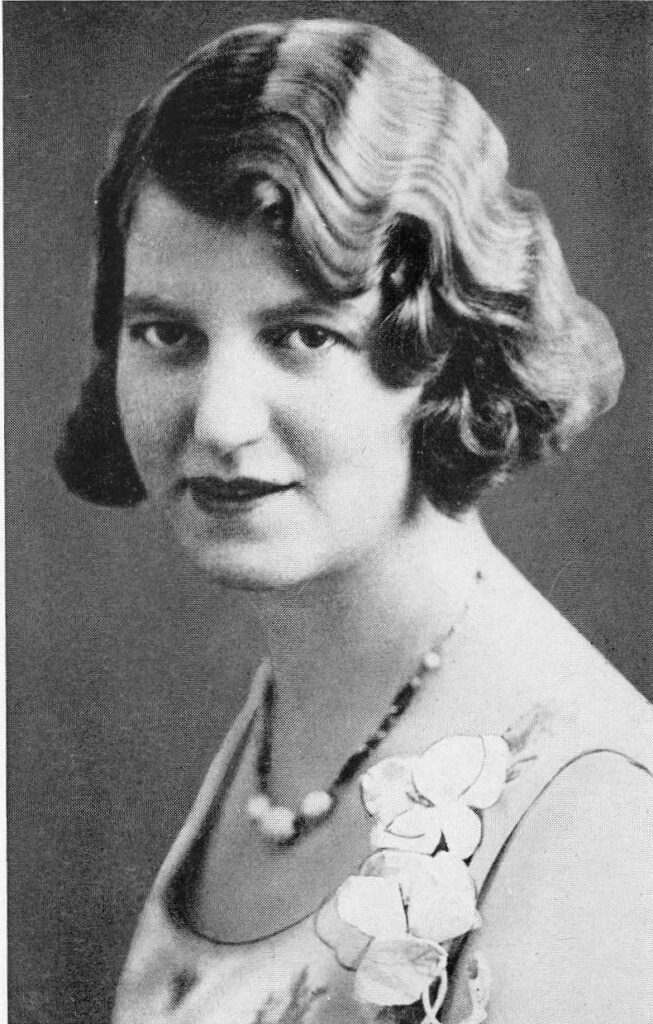
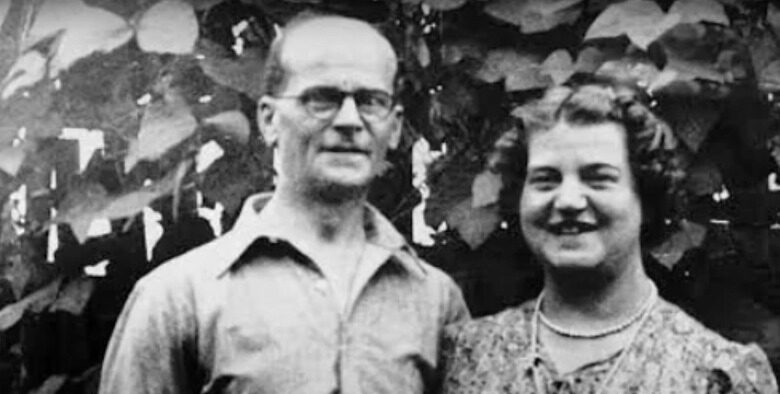
In 1920, Christie married Ethel Simpson, but his sexual problems persisted. After four years, the couple separated, though neither filed for divorce. He moved to London and found work as a postman, while Ethel returned to live with her family in Sheffield.
During this time, Christie began regularly breaking the law and served several prison sentences. His first offence involved stealing money orders, and at the age of thirty he was charged with assaulting a prostitute with whom he was living. According to the report, he struck the woman on the head with a cricket bat. After serving his sentence, Christie reconciled with his wife, and in 1938 the couple moved into 10 Rillington Place. His need to satisfy his aggressive sexual urges with prostitutes continued, and during this period, for the first time, it took on a disturbing element of necrophilia.
Rillington Place
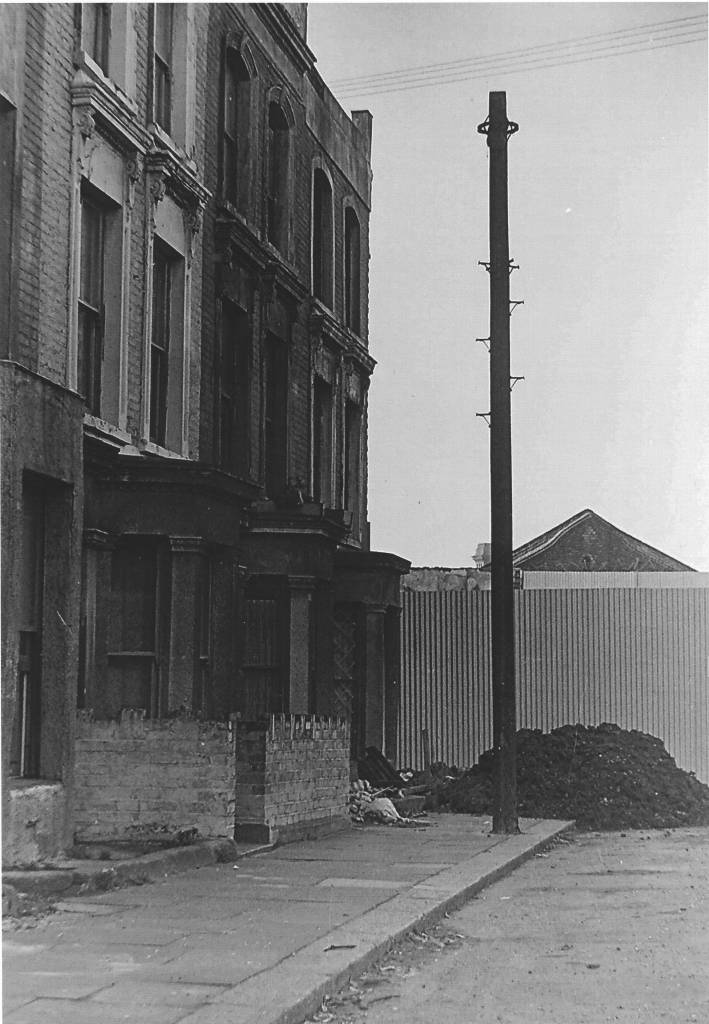
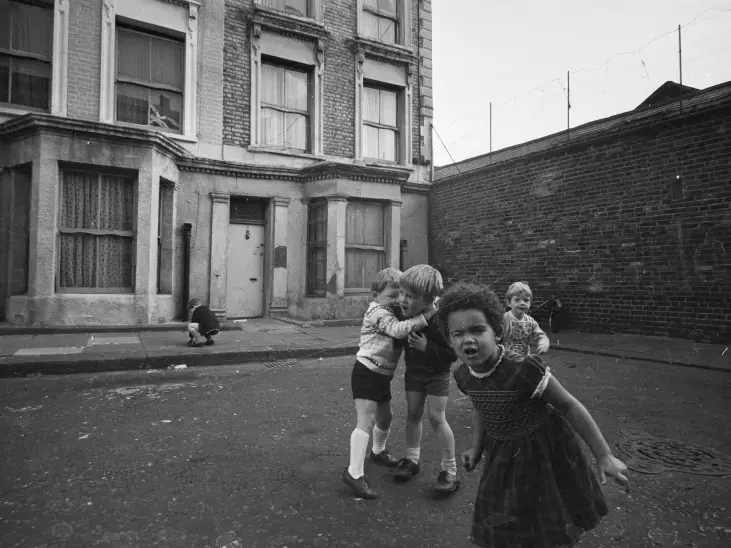
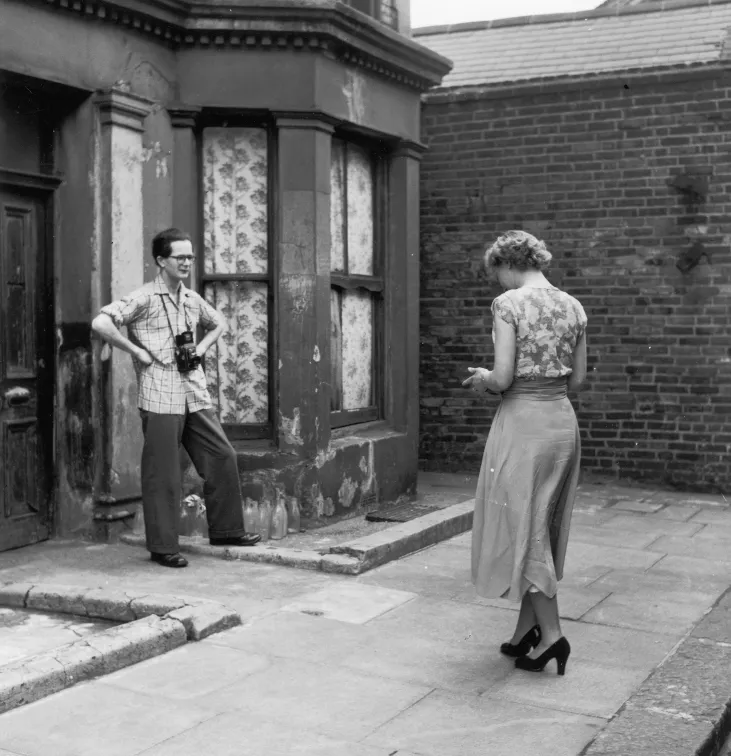
At the time, Notting Hill was a dilapidated slum, home to criminals, impoverished immigrants, and prostitutes. The flats on Rillington Place stood beside a new section of the Underground, in a secluded and squalid area. The noise of passing trains was deafening, and living conditions were abysmal.
The Christies rented the ground-floor flat of a small brick tenement that also contained two smaller apartments upstairs. Neither of these had its own bathroom; all tenants shared a single toilet at the back of the house.
John Christie’s First Murder – Ruth Fuerst
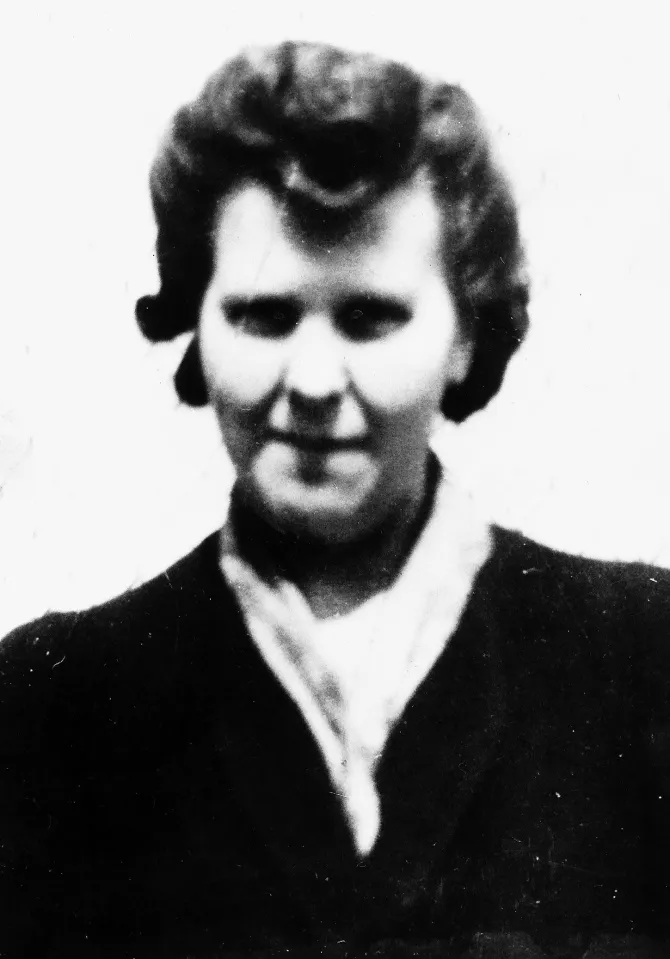
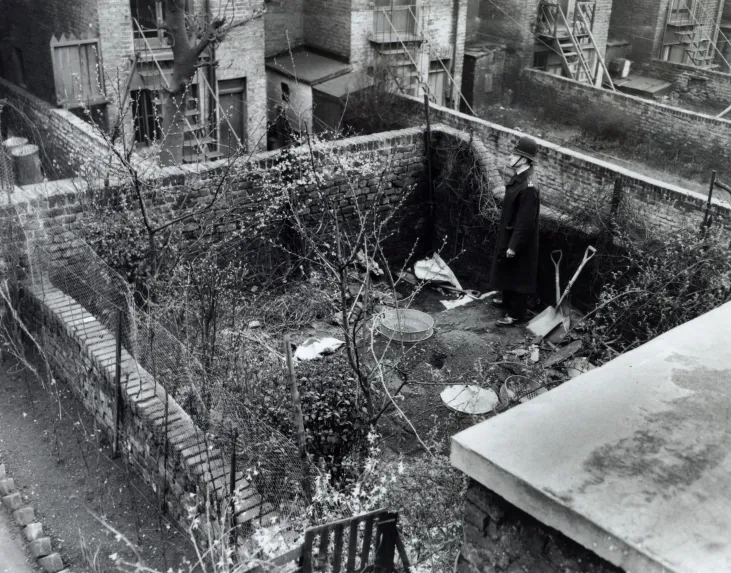
Christie’s first known victim was Ruth Fuerst, a 21-year-old Austrian woman working at a local munitions factory who occasionally supplemented her income by prostitution. In August 1943, she accepted an invitation to stay at the Rillington Place flat while Ethel was visiting family in Sheffield. On impulse, Christie strangled Ruth with a rope during intercourse and then buried her body in the back garden. The excitement and sense of power that followed soon led him to plan his next murder in detail.

Muriel Eady
In 1944, John Christie found employment as a clerk at a radio factory in Acton, where he met his second victim, Muriel Eady. In October that year, he invited her to his flat under the pretext of offering a remedy for her recurring respiratory infection. The unassuming, quiet man aroused no suspicion, and she agreed to inhale the supposed treatment in his kitchen.
The fragrant mixture of balm and aloe she inhaled through a tube also contained carbon monoxide. After Muriel lost consciousness, Christie raped and strangled her, then buried her beside Ruth Fuerst in the garden.
The Marriage of Timothy and Beryl Evans
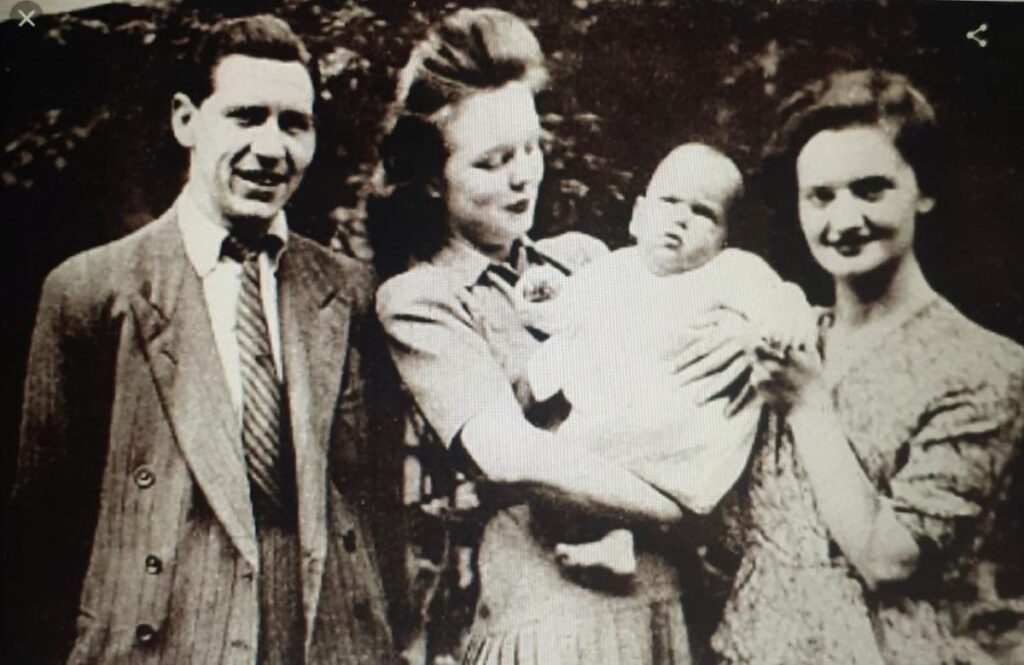
In 1948, Timothy and Beryl Evans, then heavily pregnant, moved into the upstairs flat. The young couple lived on Timothy’s wages as a delivery driver. Evans, who had an IQ of only 70, was illiterate, aggressive, and known for his fanciful imagination and alcoholism – all of which would later contribute to his fate.
Their daughter Geraldine was born in October 1948. Fourteen months later, Evans reported his wife’s death to the police. His initial statement showed that he could not identify the exact location of Beryl’s body, nor did he appear aware that his daughter had also been killed. After several searches of the tenement, police discovered the bodies of a young woman and her child in the laundry room at the back of the house. Both had been strangled, and a man’s tie remained around the girl’s neck. Beryl was sixteen weeks pregnant.

Testimony of Timothy Evans
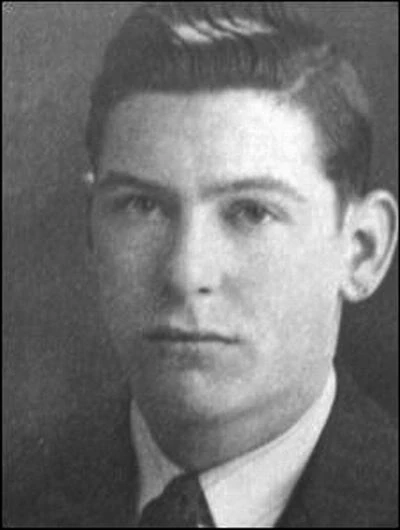
After the discovery, Timothy confessed that he had accidentally killed his wife by giving her illegally obtained abortion pills. During a later interrogation, he accused Christie of performing a failed abortion attempt. He changed his statement several times.
The most plausible theory is that the desperate Beryl believed Christie’s claim that he could carry out an abortion. The killer used carbon monoxide as a supposed anaesthetic. An autopsy revealed that Beryl had been raped before being strangled. Christie told Evans that he had sent Geraldine to a friendly couple to care for her during the operation. The child was never seen alive again.
It is highly probable that Christie manipulated and framed the simple-minded Evans for his wife’s murder. He convinced him that Beryl had died from the medication she had previously taken to terminate her pregnancy. Evans’s constant changes in testimony likely stemmed from his gradual realisation of what had truly happened. However, his reputation as a compulsive liar led police to dismiss his claims.
The Beryl Evans Investigation
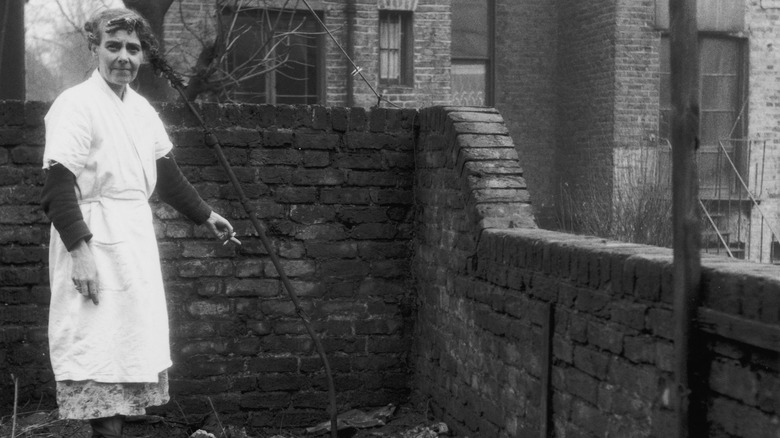
The investigation into Beryl’s murder was marred by serious errors. While searching the property, police overlooked the remains of Ruth and Muriel, who were buried shallowly in the garden – one of their femurs had even been used to support a wall. Christie later testified that his dog had unearthed Muriel’s skull shortly after the search, and that he had disposed of it in the ruins of a bombed house on St Mark’s Road.
Evans’s final written confession was almost certainly fabricated by the police; its language and phrasing were far too elaborate for an uneducated labourer. The prosecution’s star witness was none other than Christie himself, whose criminal record – including a conviction for assaulting a woman – was ignored.
Ultimately, Evans was hanged at Pentonville Prison on 9 March 1950 for the murder of his daughter. Charges relating to Beryl’s death were not brought due to insufficient evidence. His execution – almost certainly that of an innocent man – became a key argument for the abolition of capital punishment in Britain in 1969.
Death of Ethel Christie
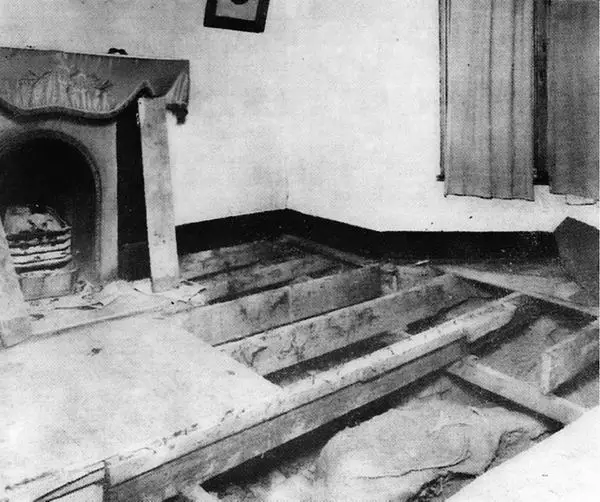
After the Evans case was closed, Christie’s hypochondria worsened, and he sank into depression. In December 1952, Ethel Christie disappeared unexpectedly. Her husband had murdered her in bed and buried her beneath the living-room floorboards.
Christie fabricated numerous explanations for her absence. He told Ethel’s family that her rheumatism prevented her from writing or visiting Sheffield and claimed to friends in London that she had gone to live with relatives. By the end of the year, he had stopped looking for work altogether, selling his wife’s jewellery, furniture, and collecting unemployment benefits. In early 1953, he forged her signature to empty her bank account. Around the same time, he began using strong disinfectants in the house as neighbours complained of a foul odour coming from his flat.
Christie’s Final Murders
By March 1953, Christie had murdered three more women, inviting each of them to his home at Rillington Place.
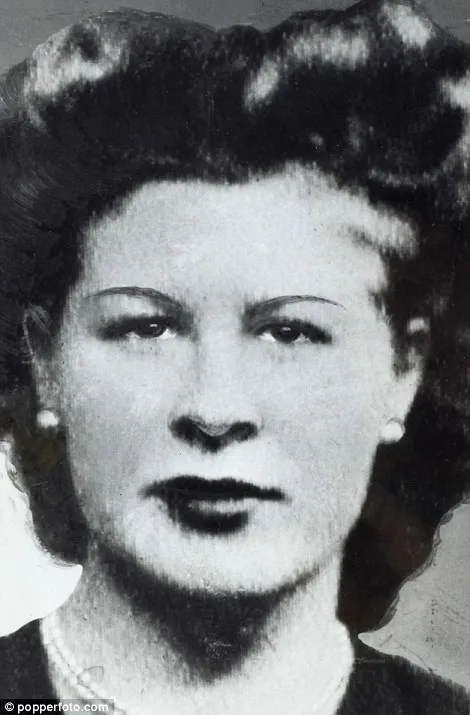
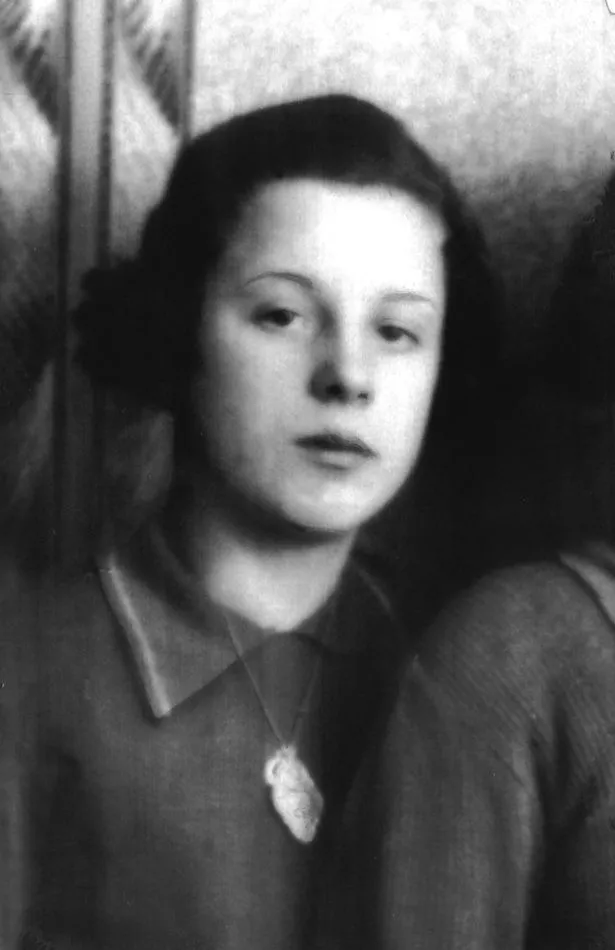
The first was Rita Nelson, a heavily pregnant prostitute from Belfast visiting her sister in London. John offered to help her abort her unwanted child. On 19 January 1953, he gassed, raped, and strangled her, then hid her body in a small locked alcove in the kitchen.
In February 1953, Kathleen Maloney, another prostitute, suffered the same fate. Her body joined Rita’s in the kitchen alcove.
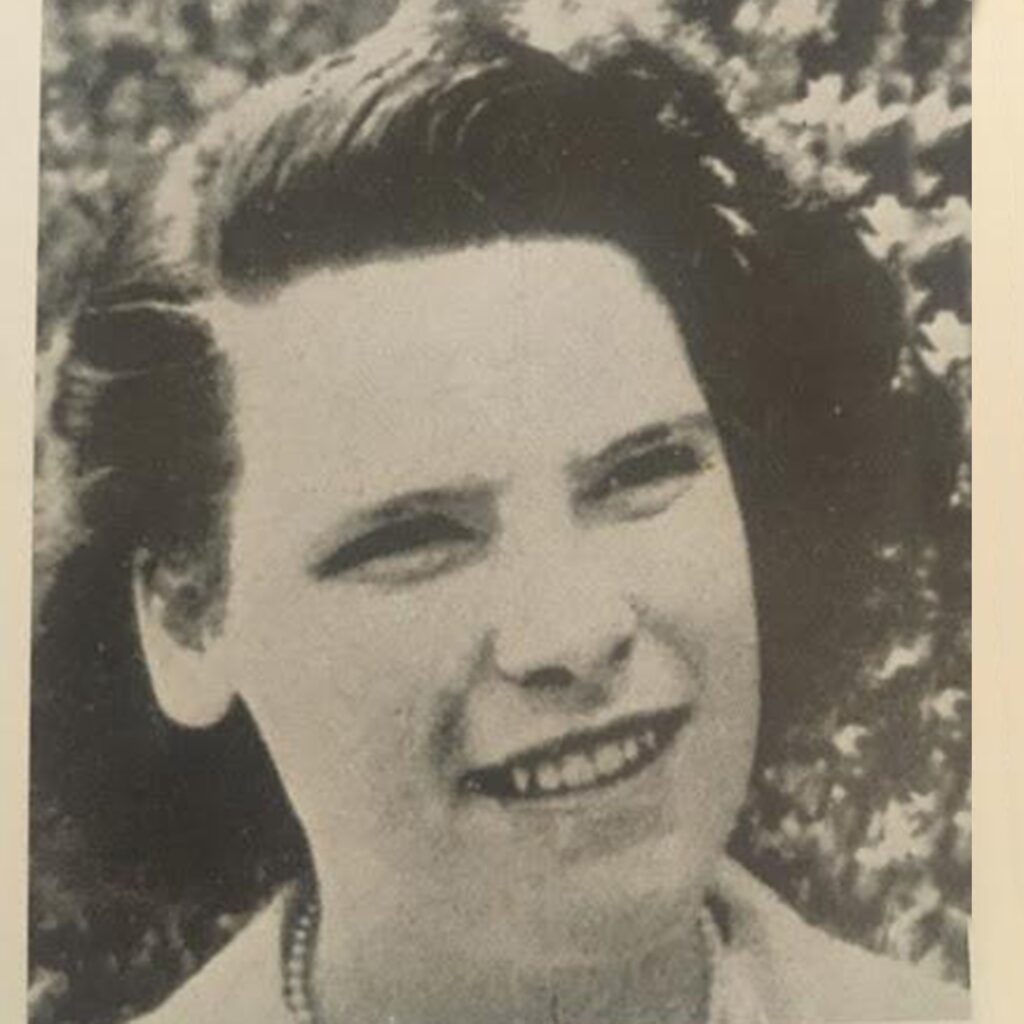
Christie’s final known victim was Hectorina MacLennan, a young woman who lived in London with her boyfriend and had socialised with the killer several times before accepting his invitation to the flat. For several days after her disappearance, Christie pretended to help Hectorina’s boyfriend search for her. He then placed her body in the alcove beside the other two women and concealed the entrance by wallpapering over the kitchen wall.
The Last Days
Unable to endure the stench of decomposition, Christie illegally sublet his flat to a young couple desperate for cheap accommodation. After collecting three months’ rent in advance, he vanished from Rillington Place on 20 March 1953. The following day, the landlord evicted the tenants, and a neighbour attempting to hang a shelf in the kitchen discovered the concealed alcove entrance.
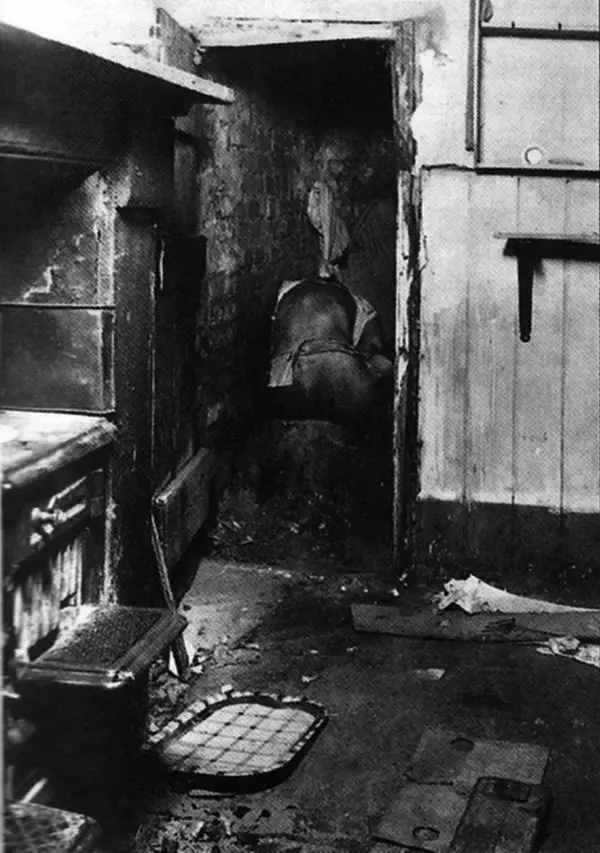
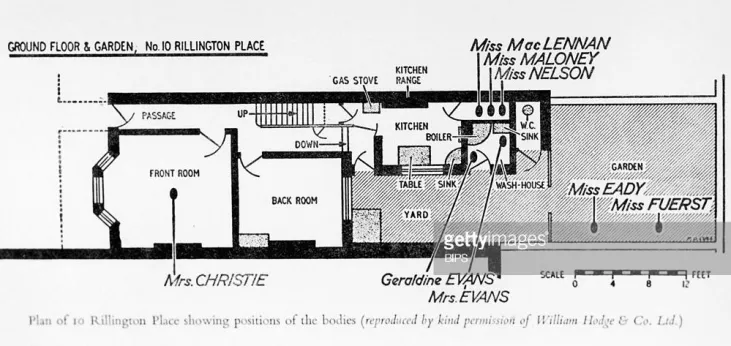
Christie was arrested by police on 31 March 1953 near Putney Bridge in south London. In custody, he confessed to killing seven people: three women hidden in the alcove, two buried in the garden, his wife beneath the living-room floorboards, and Beryl Evans. However, he denied killing Geraldine.
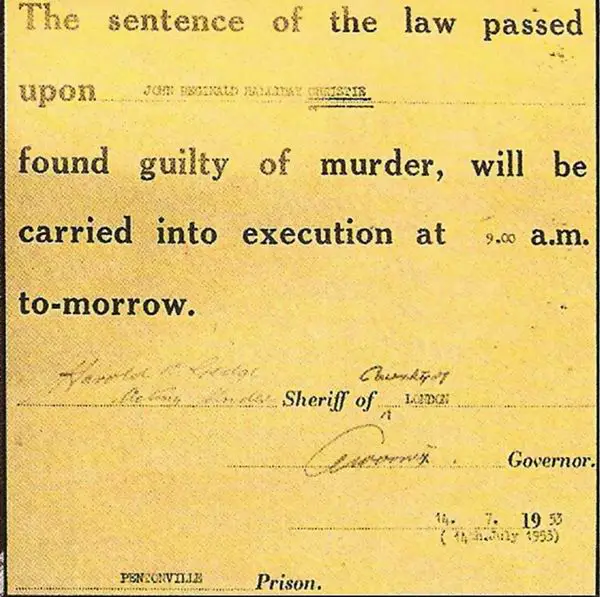
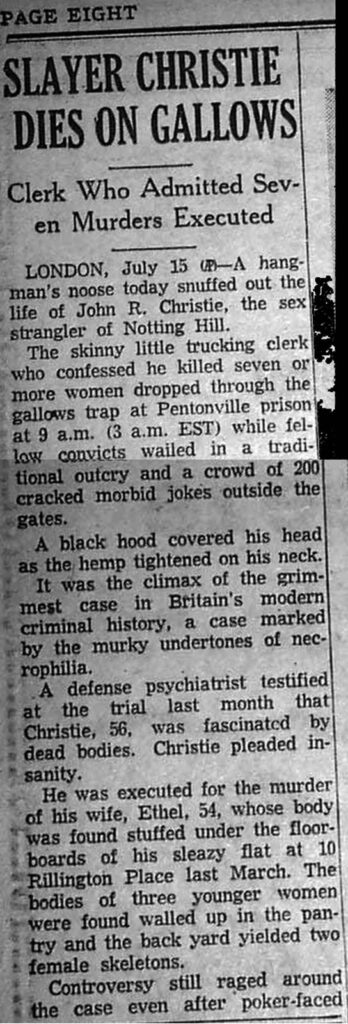
At his trial, Christie’s defence lawyer entered a plea of insanity, which was rejected by the examining doctor. The psychiatrist described him as a man with a hysterical personality but mentally competent. Found guilty, Christie was hanged at Pentonville Prison on 15 July 1953.
The Legend of Rillington Place
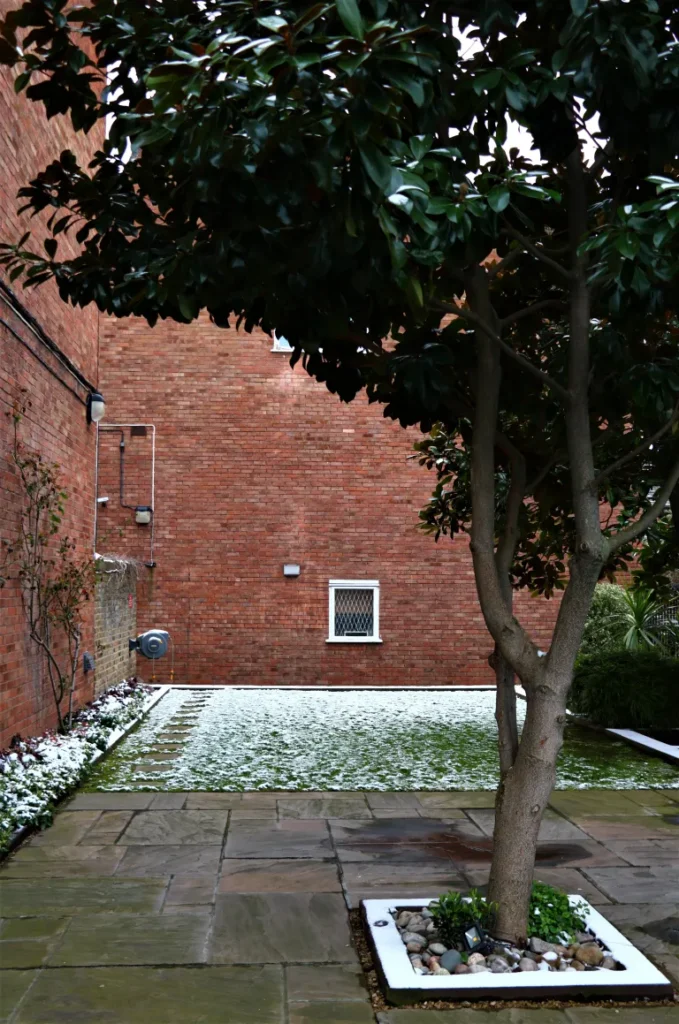
The story of the serial killer and rapist from Rillington Place caused such public horror that London authorities decided to demolish the entire surrounding block. A new street, Bartle Road, was later built on the site. House No. 10 was razed, and in its place now stands a small fenced garden.
John Christie’s life has been the subject of numerous books and film adaptations. The most recent is the BBC series Rillington Place, starring the brilliant Tim Roth as the murderer.
Discover more from London Macabre
Subscribe to get the latest posts sent to your email.