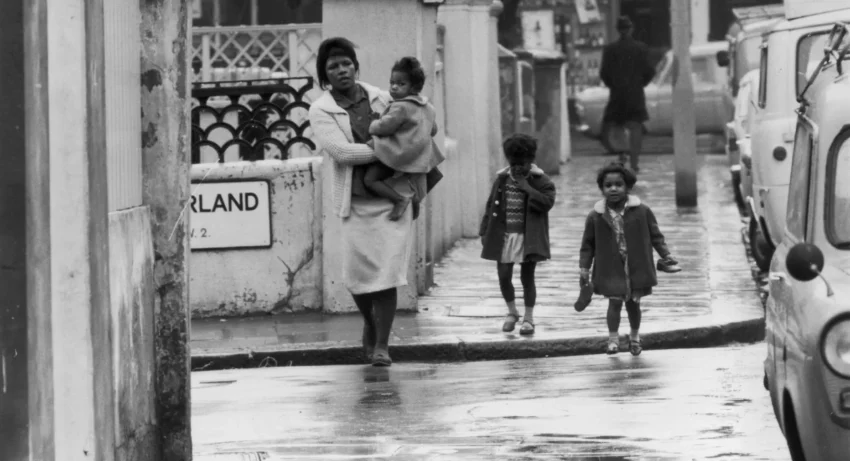
A late Victorian enclave for the well-to-do middle classes, Notting Hill began to crumble in the wake of the First World War. Over the following decades, the area would become known across London for the exploitative subletting practice later known as Rachmanism. With the arrival of the new century and the shortages brought by war,…
Category: Slums of Old London
Prostitution and the Bleak Lives of Women in Victorian London
Nineteenth-century London, the proud heart of a vast British Empire, had become a political, cultural, and financial capital admired across the world. Queen Victoria ascended the throne in 1837 and remained there for the next sixty-four years. Her dignity, decorum, and strict moral standards shaped English society, which tried to follow her puritanical way of…
Notting Hill’s Crooked Mirror: Avernus and the Grim History of Notting Dale Slums
When you wander the streets of Notting Hill, the very first thing that strikes you is the sudden shift in architecture west of Walmer Road. The pastel-coloured, well-kept nineteenth-century houses suddenly give way to bleak, bare-brick tenements and clusters of grey, battered tower blocks. Every building looks exactly the same. Dull brickwork, plain walls, no…
The Diet of the Poor in Victorian London
Few places revealed the realities of Victorian poverty as starkly as London’s East End. Behind the narrow alleys and soot-blackened tenements lay a world of hunger, makeshift meals, and street-side dining born of necessity. Here, food was not a matter of pleasure but survival – a daily struggle waged with a penny in hand and…
Beneath the Façade of Notting Hill: The Potteries and Piggeries
Notting Hill is a typical example of a London district that has undergone a complete transformation in just two centuries. Today, it is one of the city’s most popular tourist destinations – the heart of the world-famous carnival and home to the vibrant antique market stretching along the picturesque Portobello Road. Yet the Notting Hill…